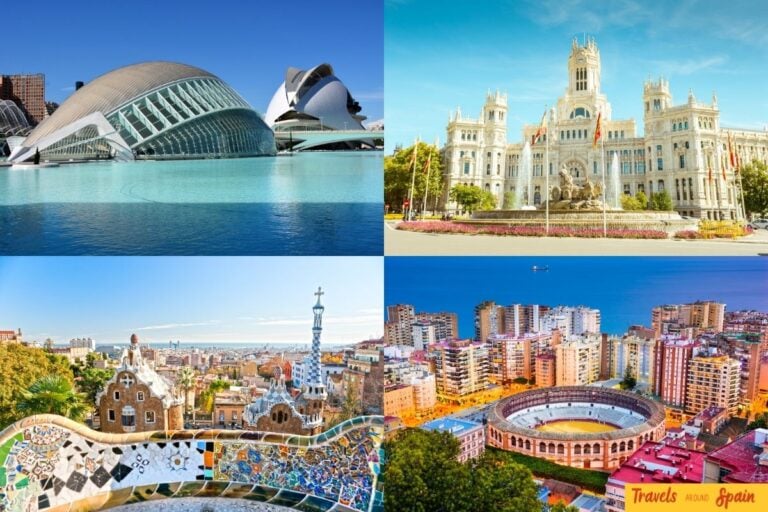
Is Spain Gay Friendly? 11 Best LGBTQ+ Places to Visit
Wondering if Spain is gay friendly? Here’s what LGBTQ+ travellers need to know before visiting.
By Liam Mulligan | Published on September 20, 2023 | Last Updated on July 8, 2026
Travels Around Spain contains affiliate links. This means I may earn a commission if you make a purchase or booking through these links, at no extra cost to you. As an Amazon Associate I earn from qualifying purchases. I only recommend products and services I use and trust. Read my full Affiliate Disclosure for more information.
Yes, Spain is extremely gay friendly and ranks as one of the world’s top LGBTQ+ destinations! As someone who has visited Spain countless times over 36 years, I can confidently say it’s my number one gay travel destination.
Spain’s progressive laws, vibrant LGBTQ+ communities, and welcoming culture . Moreover, it’s perfect for gay travelers seeYes, Spain is one of the most LGBTQ+-friendly countries in the world. Same-sex marriage has been legal since 2005, Pride celebrations take place across the country, and most visitors will find Spain to be welcoming and inclusive.
I’ve been travelling around Spain since 2017, exploring destinations from Madrid and Barcelona to Andalucía and the Canary Islands. Throughout my travels, I’ve always found Spain to be a relaxed and accepting place for LGBTQ+ travellers, whether visiting major cities, beach resorts or quieter towns.
In this guide, I’ll explain what LGBTQ+ travellers can realistically expect when visiting Spain, share some of my own experiences, and highlight 11 of the country’s best LGBTQ+-friendly destinations.
Quick Overview
| Question | Answer |
| Is Spain gay friendly? | ✅ Yes, Spain is one of the world’s most LGBTQ+-friendly countries. |
| Same-sex marriage | Legal since 2005. |
| Is it safe for LGBTQ+ travellers? | Yes, especially in cities, beach resorts and popular tourist destinations. |
| Best LGBTQ+ destinations | Madrid, Barcelona, Sitges, Maspalomas, Torremolinos and Ibiza. |
| Best time to visit | June for Pride celebrations, or spring and autumn for fewer crowds and pleasant weather. |
| My verdict | Spain is one of my favourite LGBTQ+ destinations in Europe. |
PLAN YOUR SPANISH ADVENTURE WITH MY FAVOURITE RESOURCES
Best Accommodation Site: Booking.com
Book Day Tours Here: Get Your Guide
Book Airport Transfers Here: Holiday Taxis
Why Is Spain So LGBTQ+-Friendly?
Spain has earned a reputation as one of the world’s most welcoming destinations for LGBTQ+ travellers, and after visiting regularly since 2017, it’s easy to understand why. From vibrant Pride celebrations and thriving LGBTQ+ neighbourhoods to inclusive beach resorts and a relaxed attitude towards same-sex couples, I’ve consistently found Spain to be a country where you can simply be yourself.
One of the biggest reasons for this is Spain’s long-standing support for LGBTQ+ rights. Same-sex marriage has been legal since 2005, making Spain one of the first countries in the world to introduce marriage equality. Today, anti-discrimination laws protect LGBTQ+ people in many areas of public life, and Pride events are celebrated in cities and towns across the country.
That said, no destination is perfect. While Spain is generally very accepting, attitudes can be a little more traditional in some rural areas, just as they can in many countries. During my travels, however, I’ve always felt comfortable travelling openly as an LGBTQ+ person, whether exploring major cities, coastal resorts or quieter towns.
For most visitors, Spain is a destination where you can focus on enjoying the incredible food, culture and landscapes rather than worrying about whether you’ll be welcomed.
11 Best Gay Friendly Places In Spain
One of the reasons I love travelling around Spain is that there’s no single “best” LGBTQ+ destination. Whether you’re looking for world-famous Pride celebrations, vibrant nightlife, relaxing beach resorts or charming coastal towns, Spain has somewhere to suit every type of traveller.
I’ve been travelling to Spain for years, and the places below are my personal favourites. While they’re not ranked, I’ve started with Maspalomas because it’s the destination I’d recommend first to most LGBTQ+ travellers.
1. Maspalomas, Gran Canaria
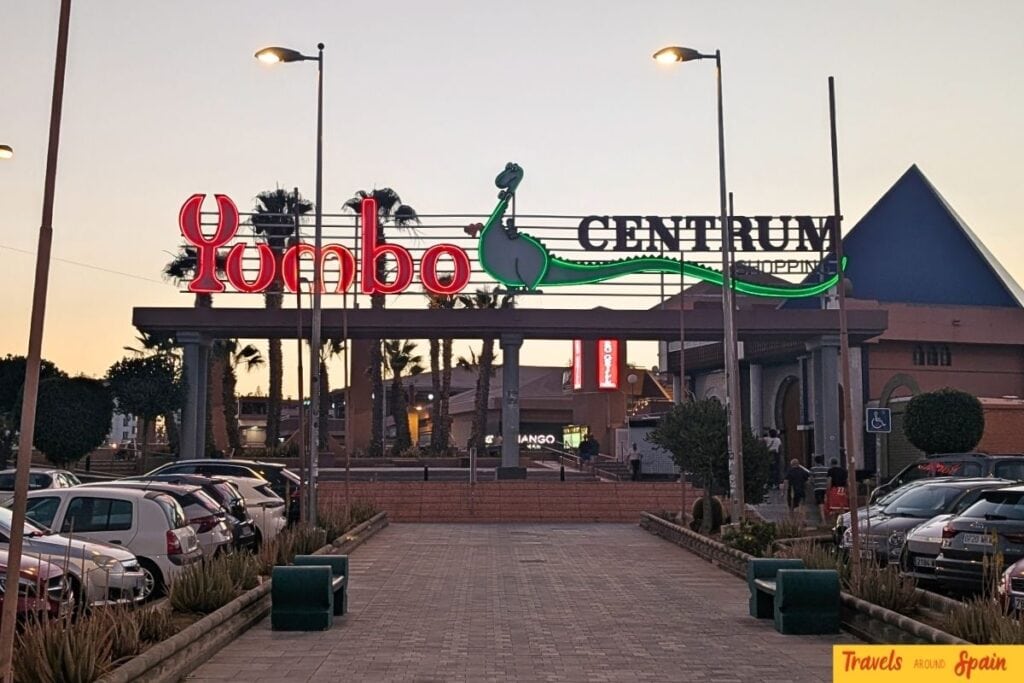
After returning to Maspalomas in June 2025, it officially became my favourite LGBTQ+-friendly destination in Spain. The welcoming atmosphere, year-round sunshine and thriving LGBTQ+ community make it a place where you can completely relax and be yourself.
The island’s LGBTQ+ scene centres around Playa del Inglés and the legendary Yumbo Centre, home to countless bars, clubs and drag venues. Whether you’re enjoying a cocktail, watching a drag show at Sparkles Showbar or dancing until the early hours, there’s always something happening.

What makes Maspalomas stand out is the incredible sense of community. You’ll see LGBTQ+ couples from across Europe relaxing on the beach, strolling through the famous Maspalomas Dunes and enjoying evenings out without a second thought. It feels less like a destination with a gay scene and more like a destination built around inclusivity.
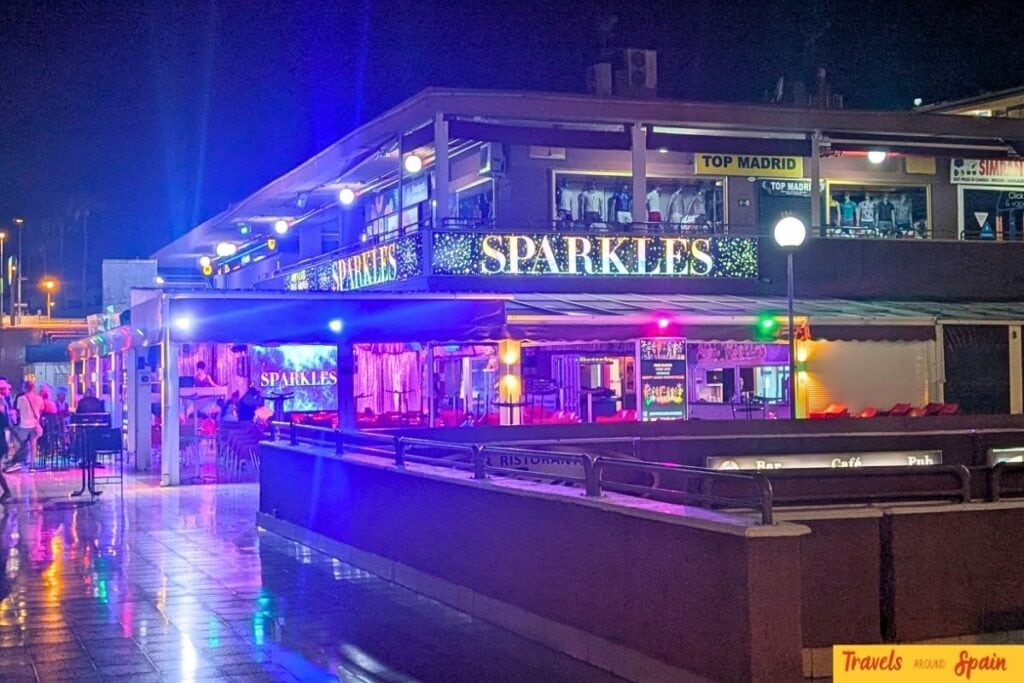
The year-round sunshine is another huge draw. While much of Europe is cold during the winter months, Gran Canaria still offers warm weather, beautiful beaches and lively nightlife, making it one of the best LGBTQ+ winter sun destinations in Europe.
Annual LGBTQ+ Events in Maspalomas
Maspalomas Pride: May
Bear Carnival: April
Gran Canaria Carnival: March
Winter Pride: November
Pro Tip – If you’re planning a winter escape, Maspalomas is hard to beat. The warm climate means you can still enjoy beach days long after most of Europe has packed away the sun cream.
2. Madrid
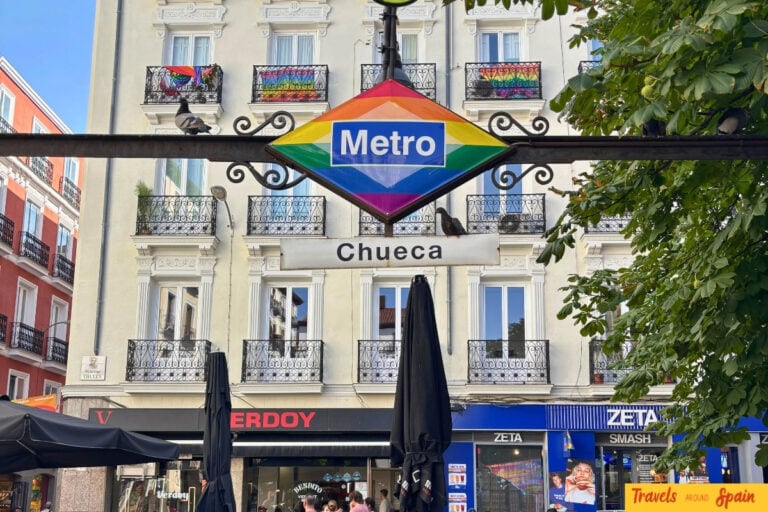
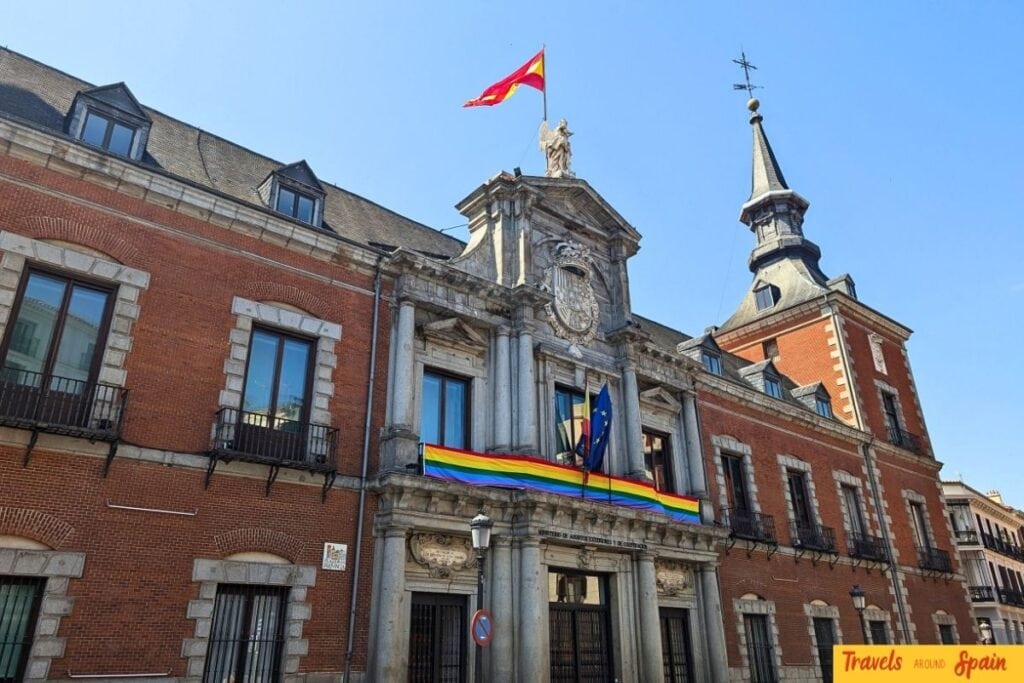
If you’re looking for the heart of Spain’s LGBTQ+ scene, Madrid is hard to beat. Home to the vibrant Chueca neighbourhood and one of the world’s largest Pride celebrations, the Spanish capital has long been recognised as one of Europe’s leading LGBTQ+ destinations.
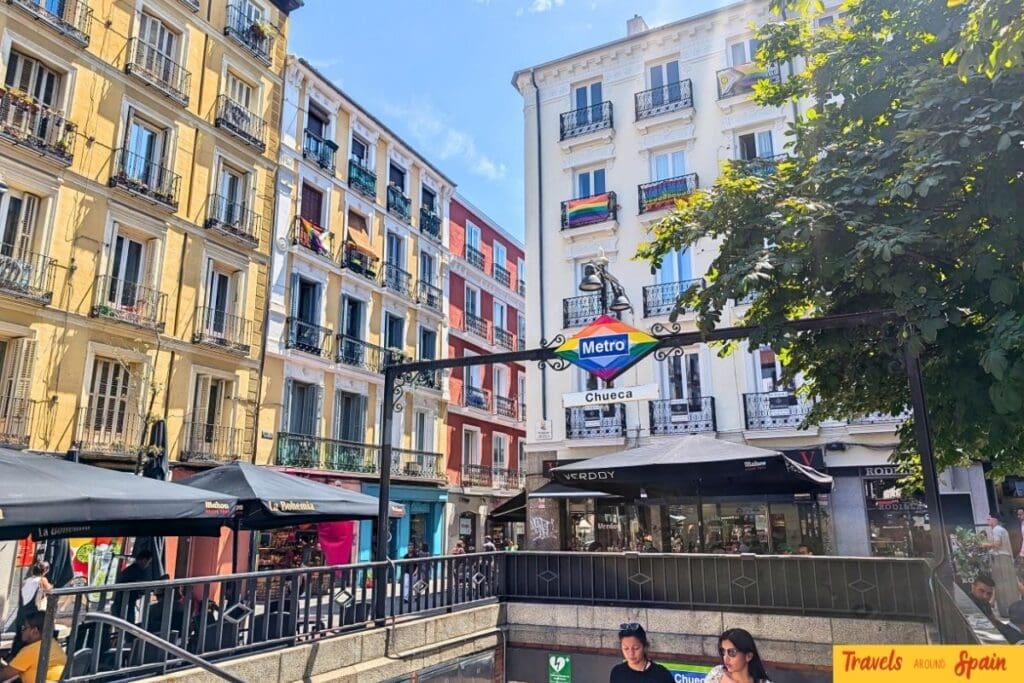
I’ve visited Madrid several times over the years, and Chueca is always one of my favourite neighbourhoods to explore. During the day, you’ll find welcoming cafés, boutique shops and rooftop bars, while after dark the area comes alive with LGBTQ+ bars, clubs and drag shows. The atmosphere is friendly, inclusive and one where you’ll quickly feel at home.
Beyond its LGBTQ+ scene, Madrid offers world-class museums, beautiful parks and an incredible food scene, making it a fantastic destination whether you’re visiting for a weekend or as part of a longer trip around Spain.
Want to know more? Read my guide to whether Madrid is gay friendly, where I cover the city’s LGBTQ+ neighbourhoods, nightlife, safety and travel tips in more detail.
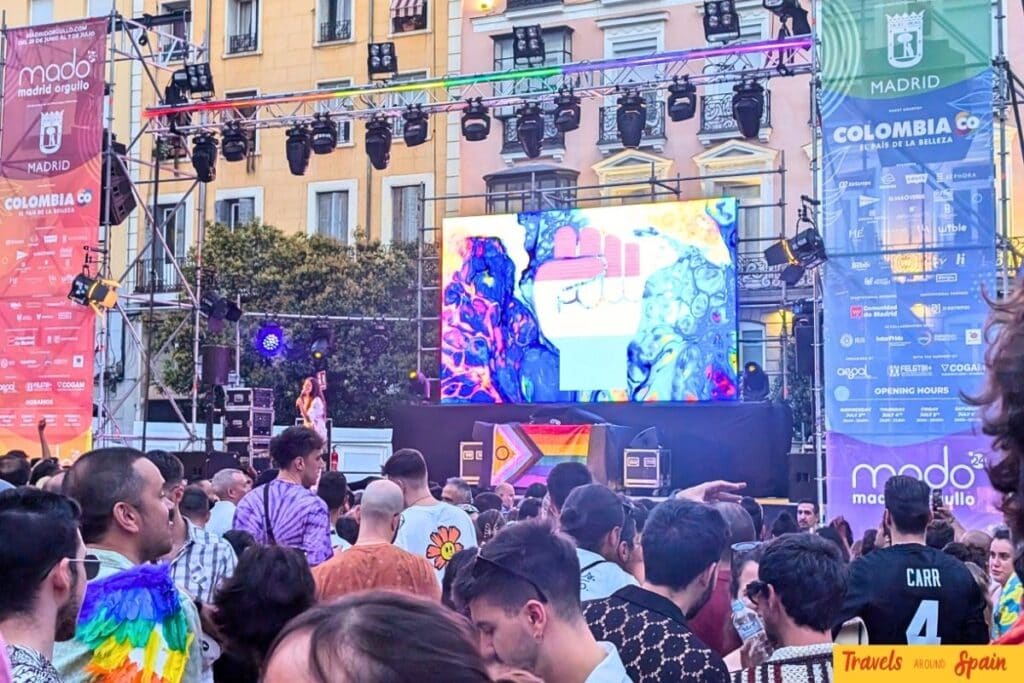
ANNUAL LGBTQ+ EVENTS IN MADRID
- Madrid Pride: June/July
- MADO Festival: June
- LesGaiCineMad: November
- Chueca Street Festival: September
Pro Tip – If you can, visit during Madrid Pride in late June or early July. It’s one of the largest Pride celebrations in the world and an unforgettable experience.
3. Barcelona
Barcelona is one of Europe’s most iconic LGBTQ+ destinations, combining beautiful beaches, world-famous architecture and a vibrant gay scene. If you’re looking for a city where you can spend the day sightseeing before heading out for drinks or dancing into the early hours, Barcelona delivers.
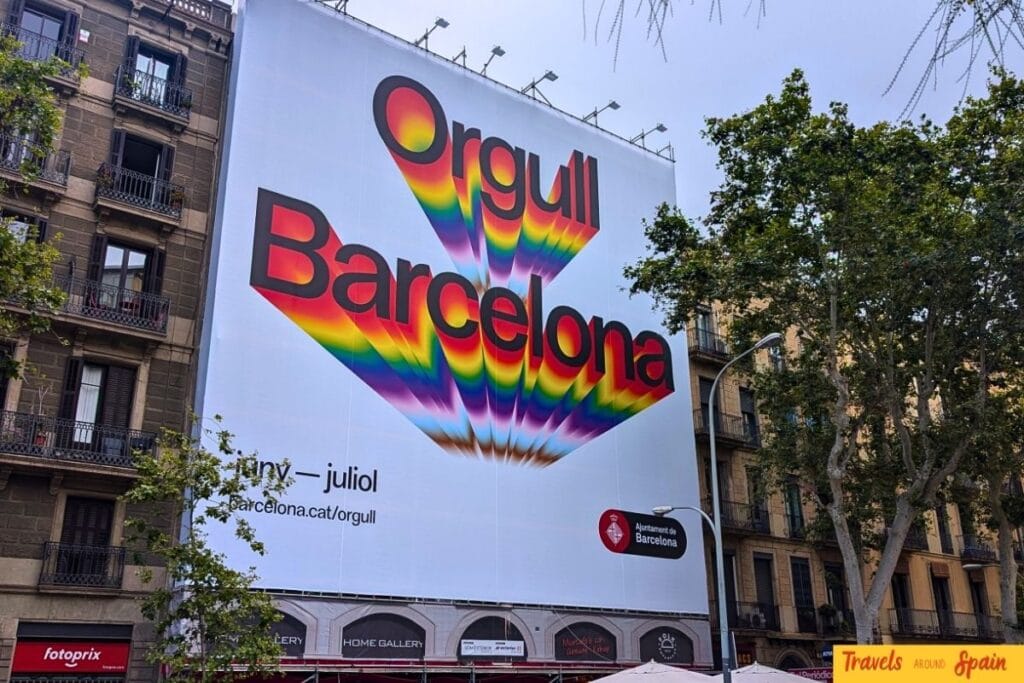
I’ve always enjoyed Barcelona because there’s so much variety. You can wander through the Gothic Quarter, admire Gaudí’s incredible architecture, relax on the beach and then finish the day exploring the city’s LGBTQ+ bars and clubs, many of which are centred around the Gaixample district.
Barcelona is also home to one of Spain’s biggest Pride celebrations, while the nearby resort of Sitges offers another fantastic LGBTQ+ destination that’s easy to visit as a day trip or part of a longer itinerary.
Want to know more? Read my guide to whether Barcelona is gay friendly, where I share more about the city’s LGBTQ+ neighbourhoods, beaches, nightlife and travel tips.
ANNUAL LGBTQ+ EVENTS IN BARCELONA
- Barcelona Pride: June
- Circuit Festival: August
- Bears Week Barcelona: September
- Winter Pride Barcelona: February
Pro Tip – If you’re visiting during the summer, combine a few days in Barcelona with a trip to nearby Sitges. Together, they make one of the best LGBTQ+ city and beach combinations in Europe.
4. Sitges
Just 40 minutes from Barcelona, Sitges has earned a reputation as one of Europe’s most iconic LGBTQ+ beach destinations. Despite its relatively small size, the town has a thriving gay scene, beautiful beaches and a relaxed Mediterranean atmosphere that keeps visitors coming back year after year.

I’ve always enjoyed visiting Sitges because everything is within easy walking distance. You can spend the day relaxing on the beach or exploring the charming Old Town before heading out to the town’s welcoming LGBTQ+ bars and restaurants in the evening. It strikes the perfect balance between a laid-back seaside escape and a lively nightlife scene.
Sitges is also famous for its annual Pride celebrations and Bear Week, attracting visitors from across Europe. Even outside these events, the town has a friendly, inclusive atmosphere that makes it one of Spain’s best destinations for LGBTQ+ travellers.
If you’re staying in Barcelona, Sitges also makes one of the best day trips from Barcelona, thanks to its excellent rail connections and beautiful coastal setting. If you decide to stay longer, don’t miss my guide to the best restaurants in Sitges to help plan your visit.
ANNUAL LGBTQ+ EVENTS IN SITGES
- Sitges Pride: June 4–8
- Bears Week Sitges: September 5–15
- Sitges Carnival: February/March
- Bears Week May Edition: May
Pro Tip – If you can, stay overnight rather than visiting for the day. Sitges has a completely different atmosphere after sunset, when its bars, restaurants and seafront come alive.
5. Ibiza
Ibiza is famous for its legendary nightlife, but there’s far more to the island than world-renowned clubs. With beautiful beaches, crystal-clear waters and a welcoming atmosphere, it’s become one of Spain’s most popular destinations for LGBTQ+ travellers.
What I love about Ibiza is the variety. You can spend the day relaxing at a secluded cove, wandering through the historic streets of Dalt Vila or watching the sunset from a beach bar before heading out to experience the island’s vibrant nightlife. Whether you’re looking for lively parties or a more laid-back escape, Ibiza caters to every style of traveller.
During the summer months, the island hosts a wide range of LGBTQ+ events, beach parties and club nights, creating an inclusive atmosphere that attracts visitors from around the world. Even if nightlife isn’t your priority, Ibiza’s natural beauty and Mediterranean charm make it well worth visiting.
If you’re still deciding which Balearic Island to visit, take a look at my comparison of Ibiza vs Mallorca vs Menorca to help choose the one that’s right for you.
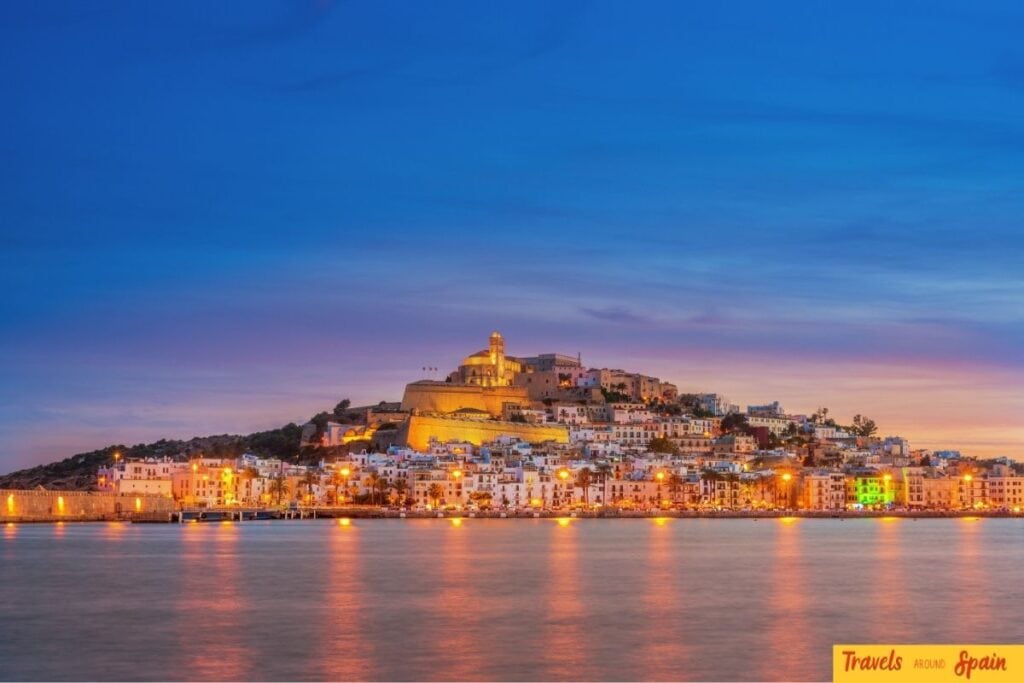
Photo by sack from Getty Images Signature via Canva.
ANNUAL LGBTQ+ EVENTS IN IBIZA
- Ibiza Pride: June
- Glitterbox Parties: Summer Sundays
- Flash Party Ibiza: Monthly
- Velvet Ibiza: Women’s Event
Pro Tip – Visit in June or September if you want warm weather and a lively atmosphere without the peak-season crowds of July and August.
6. Valencia
Valencia may not have the international reputation of Madrid or Barcelona, but it’s one of Spain’s most underrated LGBTQ+-friendly cities. With beautiful beaches, impressive architecture and a relaxed Mediterranean atmosphere, it’s a destination that’s well worth adding to your itinerary.
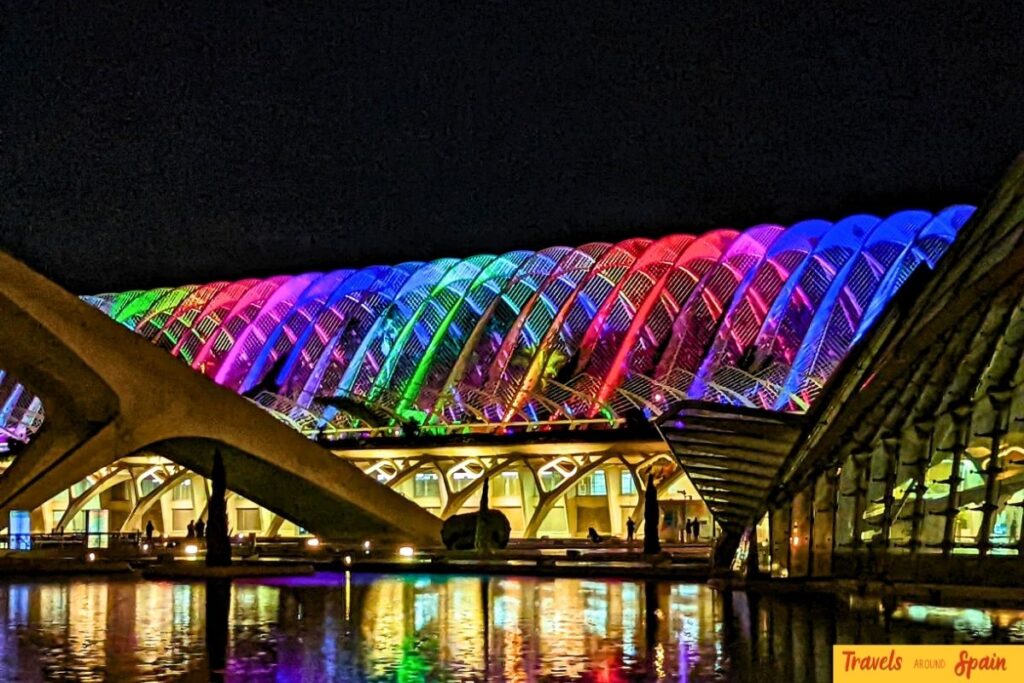
One of the things I love most about Valencia is its balance. You can spend the morning exploring the futuristic City of Arts and Sciences, wander through the historic centre in the afternoon and end the day enjoying the city’s welcoming bars, restaurants and nightlife. It feels less hectic than Spain’s larger cities while still offering plenty to see and do.
Valencia’s LGBTQ+ scene continues to grow, with a welcoming community and an annual Pride celebration that fills the city with colour each summer. Combined with its fantastic food, sunny climate and easy-going atmosphere, it’s a brilliant choice for travellers looking for a slightly different Spanish city break.
If you’re planning a visit, don’t miss my guide to the best things to do in Valencia, where I share my favourite attractions, neighbourhoods and local experiences.
Annual LGBTQ+ Events in Valencia
• Valencia Pride (June)
• Lambda Valencia Film Festival (October)
• Diversity Festival (March)
• Russafa Cultural Festival (July)
Pro Tip – Valencia deserves at least three days. It’s the perfect city to slow down, enjoy long lunches and experience a more relaxed side of Spain.
7. Torremolinos
Torremolinos has been welcoming LGBTQ+ travellers for decades and remains one of Spain’s best beach destinations for a sunny, laid-back escape. Located on the Costa del Sol, it’s known for its long sandy beaches, lively nightlife and inclusive atmosphere that attracts visitors from across Europe.
The heart of the LGBTQ+ scene is La Nogalera, a lively square packed with bars, cafés and clubs that stay busy well into the evening. Just a short walk away is El Gato Beach, one of Spain’s best-known gay beaches, where you’ll find a relaxed atmosphere and plenty of opportunities to soak up the Mediterranean sunshine.
What I like most about Torremolinos is how easy it is to combine beach days with exploring Andalucía. It’s close to Málaga and makes an excellent base if you want to discover more of southern Spain while enjoying one of the country’s most established LGBTQ+ destinations.
If you’re visiting Spain for the first time, Torremolinos is one of the destinations I’d seriously consider, especially if you’re looking for a beach holiday with a welcoming LGBTQ+ scene.
Annual LGBTQ+ Events in Torremolinos
• Torremolinos Pride (June)
• Bear Pride Torremolinos (August)
• Drag Queen Gala (March)
• Wonder Beach Festival (June)
Pro Tip – Visit in late spring or early autumn for warm weather, fewer crowds and lower accommodation prices than during the peak summer months.
8. Benidorm
Benidorm may be best known for its skyscrapers and lively nightlife, but it’s also one of Spain’s most welcoming LGBTQ+ beach destinations. With golden sandy beaches, a warm Mediterranean climate and a friendly atmosphere, it’s a fantastic choice if you’re looking for a fun and affordable holiday.
The heart of Benidorm’s LGBTQ+ scene is the Old Town, where you’ll find a great selection of bars, pubs and drag venues all within a few streets of each other. It’s easy to explore on foot, and the relaxed atmosphere makes it popular with both first-time visitors and those returning year after year.
Beyond the nightlife, Benidorm has plenty to offer. Spend the day on Levante Beach, enjoy a stroll along the seafront promenade or take in the views from the Balcón del Mediterráneo. It’s a destination that’s just as enjoyable during the day as it is after dark.
Annual LGBTQ+ Events in Benidorm
• Benidorm Pride (September)
• Bear Weekend Benidorm (October)
• Drag Queen Festival (August)
• Costa Blanca Gay Festival (July)
Pro Tip – If you’re looking for better value, visit in May, June or September. You’ll still enjoy warm weather, but accommodation is often cheaper and the beaches are noticeably quieter.
9. Seville
Seville may not be Spain’s largest LGBTQ+ destination, but it’s one of its most memorable. The capital of Andalucía combines stunning architecture, vibrant culture and a welcoming LGBTQ+ scene, making it an excellent choice if you’re looking for a city break with plenty of character.
One of my favourite things about Seville is simply wandering its historic streets. From the magnificent Plaza de España and the Royal Alcázar to evenings spent watching authentic flamenco, it’s a city that rewards slowing down and soaking up the atmosphere. The LGBTQ+ scene is centred around the lively Alameda de Hércules, where you’ll find welcoming bars and nightlife alongside excellent restaurants.
If you’re planning an autumn trip, Seville is particularly enjoyable once the intense summer heat has passed. The warm weather makes it the perfect time to explore the city’s landmarks on foot and experience its relaxed café culture.
If you’re wondering when to visit Seville, my guide to the best time to visit Seville will help you choose the perfect season.
Annual LGBTQ+ Events in Seville
• Orgullo de Andalucía / Seville Pride (June 26-29)
• GuadalkiBear Sevilla (October)
• Feria de Abril LGBTQ+ Events (April)
• Sissypop Sevilla (select Fridays)
Pro Tip – Don’t leave without seeing a live flamenco performance. It’s one of the most authentic cultural experiences you can have in Andalucía.
10. Bilbao
Bilbao is proof that Spain’s LGBTQ+-friendly destinations aren’t limited to beaches and nightlife. Once an industrial city, it’s transformed into one of the country’s cultural highlights, combining contemporary architecture, world-class art and a growing LGBTQ+ scene.
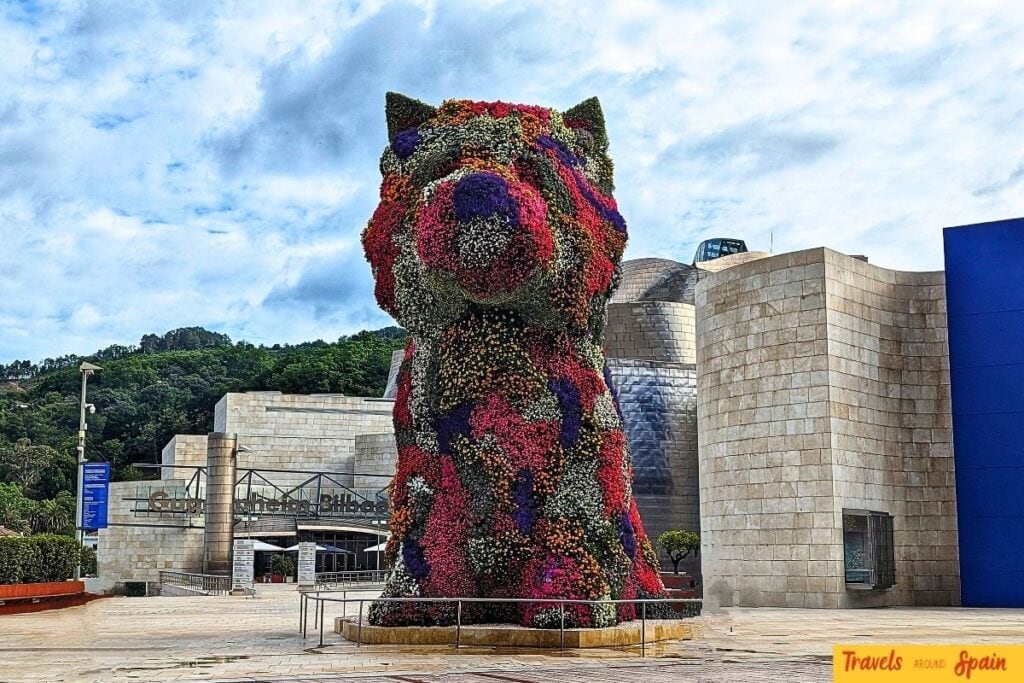
The city’s biggest attraction is undoubtedly the Guggenheim Museum, whose striking design helped put Bilbao on the international map. I also love wandering through the Casco Viejo, where you’ll find lively pintxos bars, charming streets and a more traditional side of the Basque Country.
While Bilbao’s LGBTQ+ scene is smaller than those in Madrid or Barcelona, it’s welcoming and inclusive, making it a great choice if you’re looking for a city break that’s a little different. It also makes an excellent base for exploring the Basque coast, including nearby San Sebastián.
If you’re planning a visit, don’t miss my guide to the Guggenheim Museum in Bilbao, where I share everything you need to know before visiting.
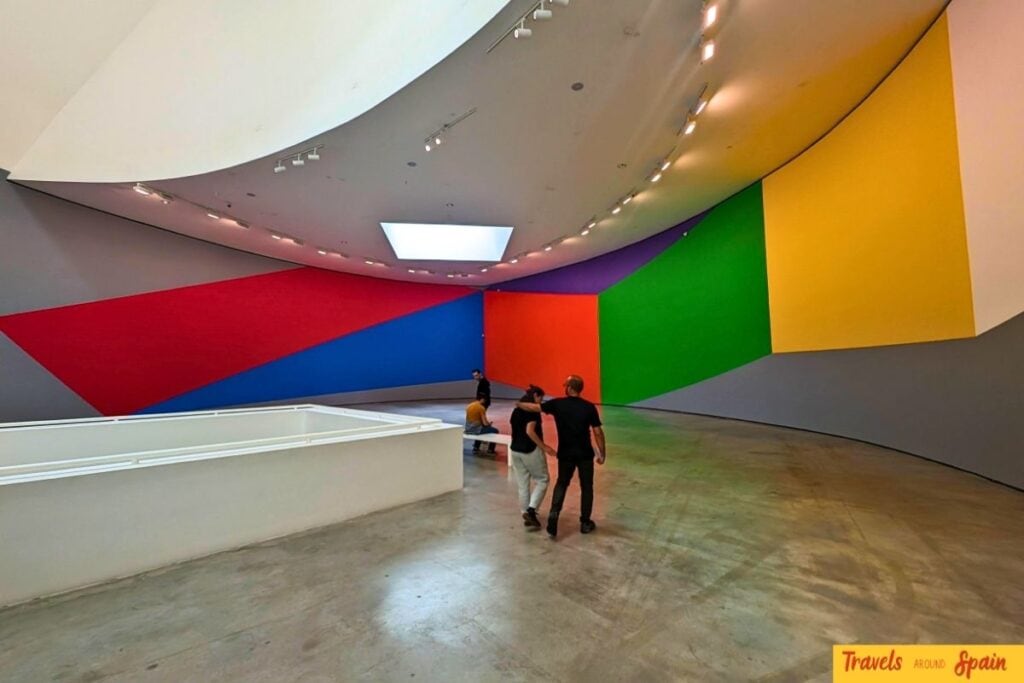
Annual LGBTQ+ Events in Bilbao
• Bilbao Bizkaia Harro Pride (June 19-22)
• Aste Nagusia / Semana Grande (August)
• Gala Drag Bilbao (June – Pride weekend)
• Pride Flotilla Parade (June)
Pro Tip – Pair Bilbao with nearby San Sebastián for the perfect Basque Country itinerary. They’re only around 80 miles apart and easy to travel between by bus or car.
11. Palma de Mallorca
Palma de Mallorca offers the perfect blend of history, beautiful beaches and Mediterranean charm. While its LGBTQ+ scene is smaller than destinations like Maspalomas or Sitges, it’s a welcoming city with a relaxed atmosphere that’s ideal for couples, solo travellers and anyone looking for a slower pace.
One of the things I enjoy most about Palma is how effortlessly it combines culture and coastal living. You can spend the morning exploring the magnificent La Seu Cathedral and the city’s historic streets before heading to the beach or enjoying dinner at one of the many waterfront restaurants. During the summer months, you’ll also find LGBTQ+-friendly bars and events that add to the city’s inclusive atmosphere.
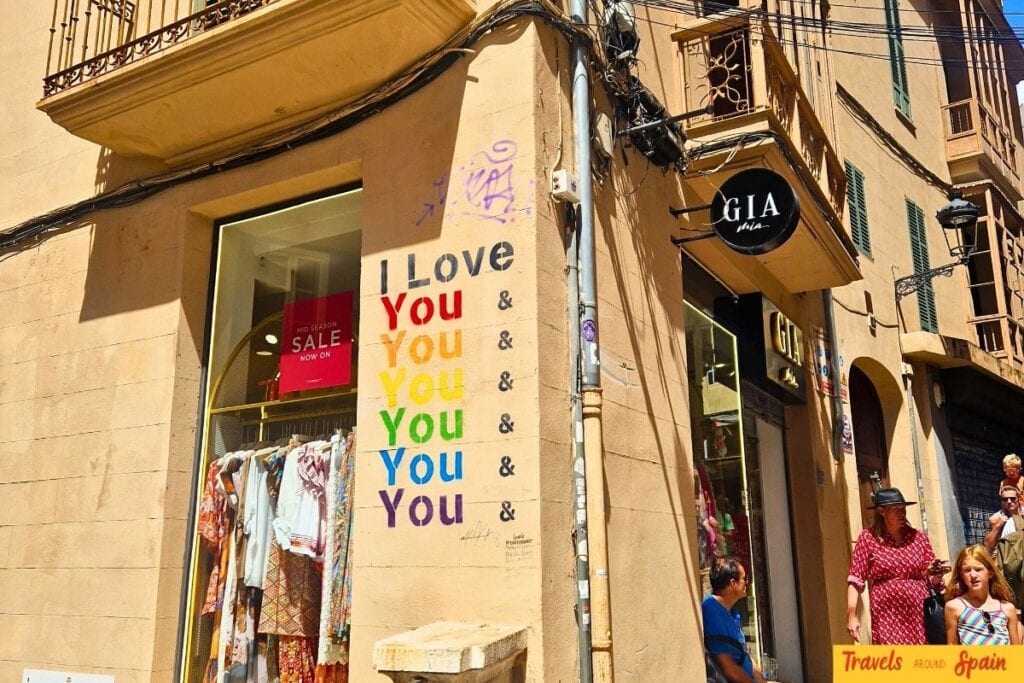
Palma is also an excellent base for exploring the rest of Mallorca. From hidden coves and picturesque mountain villages to scenic coastal drives, there’s plenty to discover beyond the city itself.
Annual LGBTQ+ Events in Palma de Mallorca
• Palma Pride (June 28)
• Ella International Lesbian Festival (summer)
• Trantor Gay Party (monthly)
• San Juan Night of Fire (June 23)
Pro Tip – Hiring a car for a day or two is one of the best ways to experience Mallorca. Some of the island’s most beautiful beaches and viewpoints are well away from Palma and are much easier to reach by road.
How to Get Around Spain as an LGBTQ+ Traveller
Getting around Spain is easy, whether you’re planning to explore one region or travel across the country. The high-speed rail network connects major cities such as Madrid, Barcelona, Seville and Valencia, while domestic flights make reaching the Balearic and Canary Islands quick and convenient.
If you’re visiting cities, I usually recommend travelling by train. Spain’s AVE high-speed services are comfortable, reliable and often faster than driving. For destinations like Maspalomas, Ibiza and Palma de Mallorca, flying is usually the most practical option.

Hiring a car is worth considering if you want to explore beyond the cities. It gives you the freedom to discover quieter beaches, charming villages and hidden gems that are difficult to reach by public transport. I’ve found this especially useful in places like Gran Canaria and Mallorca, where some of my favourite spots are away from the main tourist areas.
Whichever way you travel, I’ve always found Spain to be welcoming and easy to navigate as an LGBTQ+ traveller. Whether you’re travelling solo, as a couple or with friends, moving between destinations is straightforward and allows you to experience the country’s incredible diversity.
Pro Tip – If you’re planning to visit several cities, book long-distance train tickets as early as possible. You’ll often find the best fares and have more flexibility with departure times.
Frequently Asked Questions
Is Spain safe for LGBTQ+ travellers?
Yes. Spain is widely regarded as one of the safest and most welcoming countries in Europe for LGBTQ+ travellers. Same-sex marriage has been legal since 2005, anti-discrimination laws are well established, and I’ve always felt comfortable travelling openly as an LGBTQ+ person. As with any destination, it’s sensible to stay aware of your surroundings, particularly late at night, but your sexual orientation is unlikely to be an issue in most parts of the country.
Can same-sex couples show affection in public in Spain?
In most places, yes. It’s common to see same-sex couples holding hands or showing affection in cities such as Madrid, Barcelona, Valencia and Seville, as well as popular LGBTQ+ destinations like Maspalomas and Sitges. While attitudes may be more traditional in some rural areas, Spain is generally very accepting.
What is the best LGBTQ+-friendly destination in Spain?
If I had to choose just one, I’d recommend Maspalomas in Gran Canaria. The welcoming atmosphere, year-round sunshine and thriving LGBTQ+ community make it my favourite destination in Spain. That said, Madrid is ideal for city breaks, while Sitges is perfect if you’re looking for a relaxed seaside escape.
Which city has the biggest LGBTQ+ scene in Spain?
Madrid has Spain’s largest LGBTQ+ community, centred around the vibrant Chueca neighbourhood. The city is home to one of the world’s biggest Pride celebrations and offers an incredible choice of bars, clubs, restaurants and cultural events throughout the year.
When is the best time to visit Spain for LGBTQ+ events?
Late spring and early summer are ideal if you want to experience Pride celebrations. Madrid, Barcelona and Sitges all host major events, while Maspalomas Pride takes place in May and Winter Pride in November, making Gran Canaria a fantastic option outside the traditional Pride season.
Is Spain one of the best LGBTQ+-friendly countries in Europe?
Absolutely. Between its progressive laws, welcoming culture and diverse range of destinations, Spain consistently ranks among the best countries in Europe for LGBTQ+ travel. Whether you’re looking for beaches, city breaks, nightlife or cultural experiences, you’ll find somewhere that feels inclusive and welcoming.
Final Thoughts: Is Spain Gay Friendly?
Without a doubt, yes.
After years of travelling around Spain, it’s become one of my favourite countries to visit as an LGBTQ+ traveller. Whether I’m exploring the vibrant streets of Madrid, relaxing on the beaches of Maspalomas or discovering hidden corners of cities like Valencia and Bilbao, I’ve always felt welcomed and comfortable being myself.
What makes Spain stand out isn’t just its progressive laws or famous Pride celebrations. It’s the openness of the people, the diversity of its destinations and the fact that there’s somewhere for every type of traveller. Whether you’re looking for world-class nightlife, a laid-back beach escape, a cultural city break or a romantic getaway, you’ll find it here.
If you’re wondering whether Spain is a good destination for LGBTQ+ travellers, my answer is simple: absolutely. I wouldn’t hesitate to recommend it to anyone planning their next holiday, and it’s a country I know I’ll keep returning to for years to come.