2 Days In Barcelona: The Best Itinerary And Activities
Planning a weekend trip and looking for the perfect 2 days in Barcelona?
By Liam Mulligan | Published on September 23, 2023 | Last Updated on July 10, 2026
Travels Around Spain contains affiliate links. This means I may earn a commission if you make a purchase or booking through these links, at no extra cost to you. As an Amazon Associate I earn from qualifying purchases. I only recommend products and services I use and trust. Read my full Affiliate Disclosure for more information.
Barcelona is one of Europe’s best city break destinations and the perfect place for a first visit to Spain. With its iconic architecture, fantastic food, beautiful beaches and vibrant atmosphere, it’s easy to see why millions of people visit every year. The challenge is deciding what to see when you only have two days.
The good news is that with the right itinerary, you can experience Barcelona’s biggest highlights without feeling like you’re constantly rushing from one attraction to the next. This guide is designed to help you make the most of your time, combining the city’s must-see attractions with practical tips to ensure your trip is as smooth and enjoyable as possible.
My first trip to Barcelona was back in 2004 whilst I was still at school. Since then, I’ve returned another six times, making it my most-visited city in Spain and, outside of the UK, my most-visited city anywhere in the world. Every visit has taught me something new, from the best times to visit popular attractions to discovering quieter corners that many visitors overlook. I’ve used those experiences to create the itinerary below, so you can spend less time planning and more time enjoying this incredible city.
Whether you’re visiting for the architecture, food, beaches, football or simply to soak up the city’s unique atmosphere, this guide will show you exactly how to spend 2 days in Barcelona. By the end of your trip, you’ll have experienced the very best the Catalan capital has to offer and, just like me, you’ll probably already be planning your next visit.
Quick Overview: 2 Days in Barcelona
| Duration | Details |
| Duration | 2 days |
| Best for | First-time visitors, weekend breaks and city escapes |
| Main Highlights | La Sagrada Família, Park Güell, Casa Batlló, Gothic Quarter, Barceloneta Beach and Montjuïc |
| Walking Required | Moderate to high, with some hills at Park Güell |
| Getting Around | Walking and Barcelona Metro |
| Best Time to Visit | Spring (April to June) and autumn (September to October) |
| Advance Booking | Essential for La Sagrada Família, Park Güell and Casa Batlló |
| Where to Stay | Eixample, Plaça de Catalunya or the Gothic Quarter |
| Budget | €€ to €€€ depending on attractions and accommodation |
PLAN YOUR TRIP TO Barcelona
Trusted resources for planning your Barcelona trip.
Sagrada Família Tickets – Skip-the-line tickets for Gaudí’s iconic basilica.
Parc Güell Tickets – Book entry tickets for one of Barcelona’s most famous landmarks.
Hotels in Barcelona – Find boutique hotels and apartments across Barcelona.
2 Days In Barcelona Itinerary
So, where do you even begin with 2 days in Barcelona? With so many incredible attractions, neighbourhoods and restaurants to choose from, planning a short trip can quickly become overwhelming. The key is not trying to see absolutely everything, but focusing on the highlights whilst leaving enough time to soak up the city’s unique atmosphere.
I’ve followed this itinerary, or slight variations of it, across several of my visits to Barcelona. It combines the city’s iconic landmarks with some of my favourite places to eat and relax, all in a route that makes sense geographically, so you’re not wasting valuable time travelling backwards and forwards across the city.
Over the next two days, you’ll explore Gaudí’s architectural masterpieces, wander through the historic streets of the Gothic Quarter, stroll along Barcelona’s famous boulevards, discover one of Europe’s greatest football stadiums, and finish with spectacular views across the city. It’s a busy itinerary, but it’s perfectly achievable if you’re happy to start your days reasonably early.
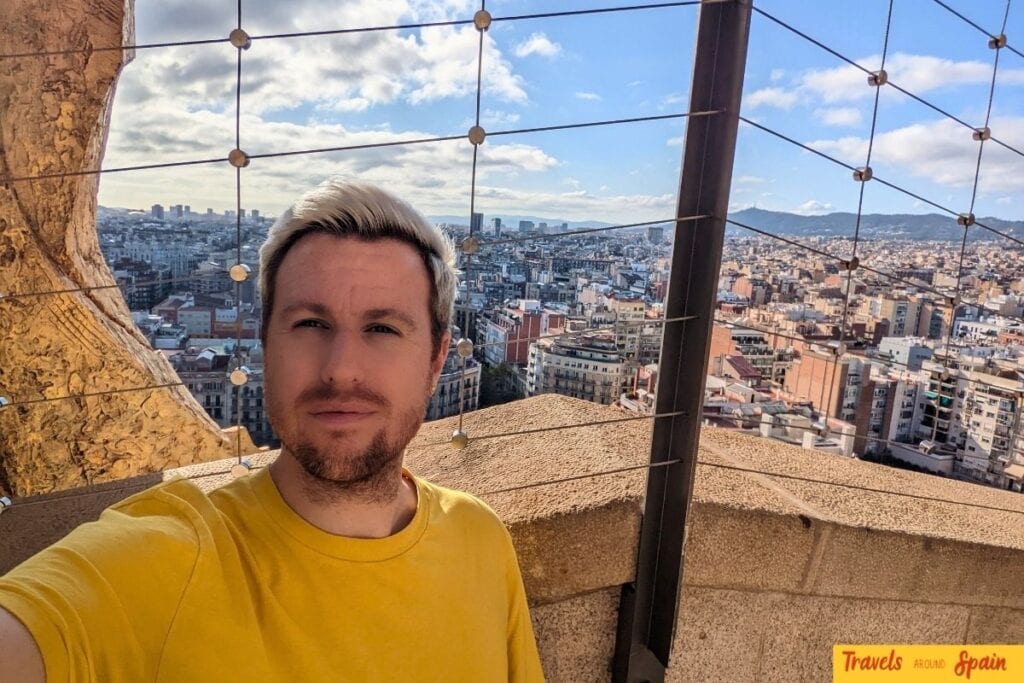
Of course, no two travellers are the same. If you find somewhere you love and want to linger a little longer, don’t be afraid to adapt the itinerary. One of the things I love most about Barcelona is that some of my favourite memories have come from simply sitting in a plaza with a coffee or getting wonderfully lost amongst its historic streets.
Let’s get started!
Day 1: Gaudí’s Masterpieces, the Gothic Quarter and Barcelona’s Historic Heart
Highlights: La Sagrada Família, Casa Batlló, Passeig de Gràcia, Plaça de Catalunya, La Rambla, the Gothic Quarter and El Raval
Start your first day by discovering the landmarks that have made Barcelona famous around the world. You’ll explore two of Antoni Gaudí’s greatest masterpieces, wander down the city’s most iconic streets and finish the day getting lost amongst the medieval lanes of the Gothic Quarter before enjoying tapas and Barcelona’s vibrant nightlife.
It’s a busy but rewarding day, so I recommend starting as early as possible, especially if you’re visiting during spring or summer when attractions become much busier later in the morning. Booking your tickets for La Sagrada Família and Casa Batlló in advance will save you valuable time and help you avoid some of the longest queues.
La Sagrada Familia
No visit to Barcelona is complete without seeing La Sagrada Família, the city’s most famous landmark and one of the most extraordinary buildings in the world. Construction began in 1882, and although Antoni Gaudí’s masterpiece is still unfinished, it was voted one of Spain’s 12 Treasures in a nationwide public poll and has become one of the country’s most recognisable landmarks.
I always recommend making this your first stop of the day. The queues become much longer as the morning progresses, and arriving early gives you a much more relaxed experience. If you can, book one of the first available entry slots. Not only will you spend less time waiting, but the morning light shining through the stained-glass windows creates an unforgettable display of colour inside the basilica.
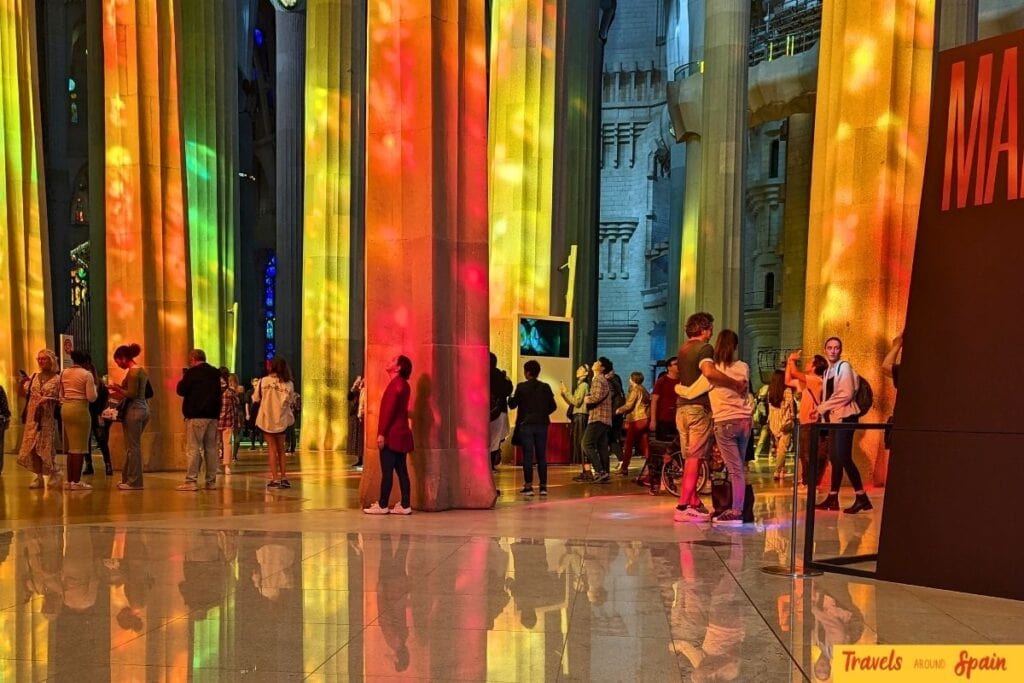
Before heading inside, spend a few minutes walking around the exterior. Each façade tells a different part of the biblical story, and the level of detail is simply incredible. No matter how many photographs you’ve seen beforehand, nothing quite prepares you for seeing it up close.
Inside, the basilica is breathtaking. The towering columns resemble a forest of stone, whilst the colourful stained-glass windows flood the interior with constantly changing light. Even after seven visits to Barcelona, it’s still the attraction I look forward to seeing the most, and I always find myself noticing something new.
I highly recommend booking your tickets online before you travel. During my visit, I found the official audio guide excellent. It provides just the right amount of history and explains many of the details you might otherwise miss without becoming overwhelming. If you’d prefer a more in-depth experience, guided tours are also available.
If your budget allows, consider adding tower access. The views across Barcelona are spectacular, although you’ll need to descend via a narrow spiral staircase, so it isn’t suitable for everyone.
Travel Tip – If you’re visiting during Easter, summer or Christmas, book your tickets several weeks in advance. Entry slots regularly sell out during Barcelona’s busiest periods.
Casa Batlló
From La Sagrada Família, make your way to Casa Batlló, another of Antoni Gaudí’s architectural masterpieces and a UNESCO World Heritage Site. Originally built in 1877, the house was completely redesigned by Gaudí in 1904, transforming it into one of the most imaginative buildings in Barcelona.
The first thing you’ll notice is the colourful façade. Its flowing lines, shimmering mosaics and unusual balconies have earned it the nickname Casa dels Ossos, or House of Bones, as many people think the balconies resemble skulls and the supporting columns look like bones. It’s one of Barcelona’s most photographed buildings, and it’s easy to see why.
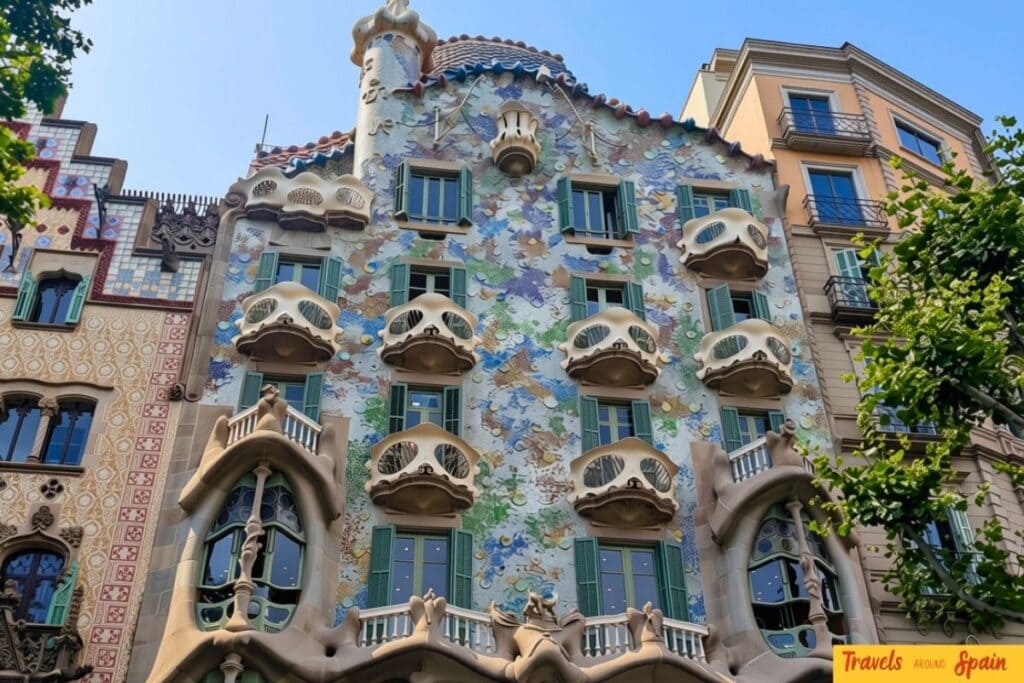
The interior is just as remarkable. As you wander through the rooms, you’ll notice almost no straight lines, a hallmark of Gaudí’s work. Everything feels inspired by nature, from the wave-like ceilings to the stained-glass windows and the beautiful blue-tiled lightwell that fills the house with natural light. It’s unlike anywhere else I’ve visited and is well worth exploring at your own pace.
I recommend booking your tickets in advance, particularly if you’re visiting during the summer months. Entry numbers are controlled, and the most popular time slots often sell out several days ahead. If you’re interested in learning more about the building, the excellent audio guide helps bring Gaudí’s ideas and creative vision to life.
Even if you decide not to go inside, it’s worth spending a few minutes admiring the exterior before continuing along Passeig de Gràcia, where you’ll find more of Barcelona’s beautiful Modernist architecture.
Travel Tip – Look up at the roof before you leave. Many believe its curved shape represents the back of the dragon from the legend of Saint George, the patron saint of Catalonia, with the tower symbolising the saint’s sword.
Lunch at Musiu
By now you’ve packed a lot into your morning, so it’s the perfect time to stop for lunch before continuing along Passeig de Gràcia. Rather than another tapas bar, I’d recommend Musiu, one of my favourite restaurants in Barcelona and somewhere I make a point of visiting whenever I’m in the city.
I first discovered Musiu a few summers ago whilst travelling with friends, and it’s become a tradition to return every time I visit. The fresh pasta is excellent, the portions are generous and the staff are always incredibly welcoming, making it a great place to recharge before a busy afternoon of sightseeing.
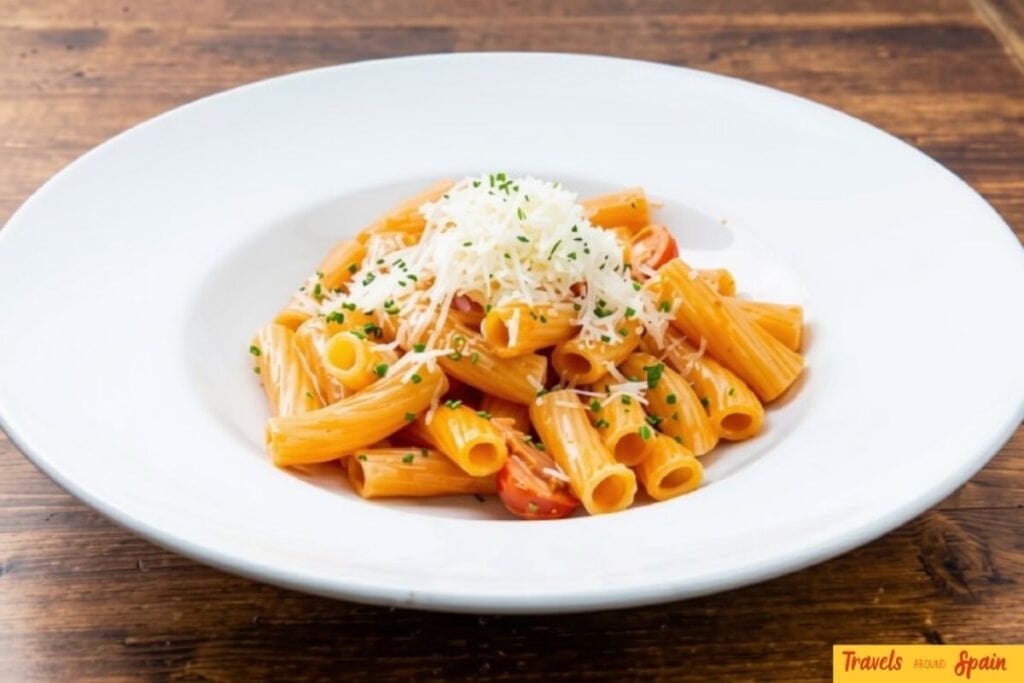
If you’re visiting on a weekday, keep an eye out for the lunchtime set menu, which offers excellent value. Best of all, it’s only a short walk from Casa Batlló, so you won’t need to go out of your way.
Passeig de Gràcia
After lunch, continue your walk along Passeig de Gràcia, Barcelona’s most elegant boulevard and one of the best places in the city to admire its beautiful Modernist architecture. Originally built as the road linking Barcelona with the then-independent village of Gràcia, it’s now home to luxury boutiques, high-end fashion brands and some of the city’s finest buildings.
Even if shopping isn’t your thing, Passeig de Gràcia is worth exploring. As you stroll along the wide, tree-lined avenue, you’ll pass Casa Milà (La Pedrera), another of Gaudí’s architectural masterpieces, alongside impressive buildings designed by some of Catalonia’s most celebrated architects. Keep an eye on the pavement too, where you’ll spot the distinctive mosaic tiles designed by Gaudí that have become a symbol of Barcelona.
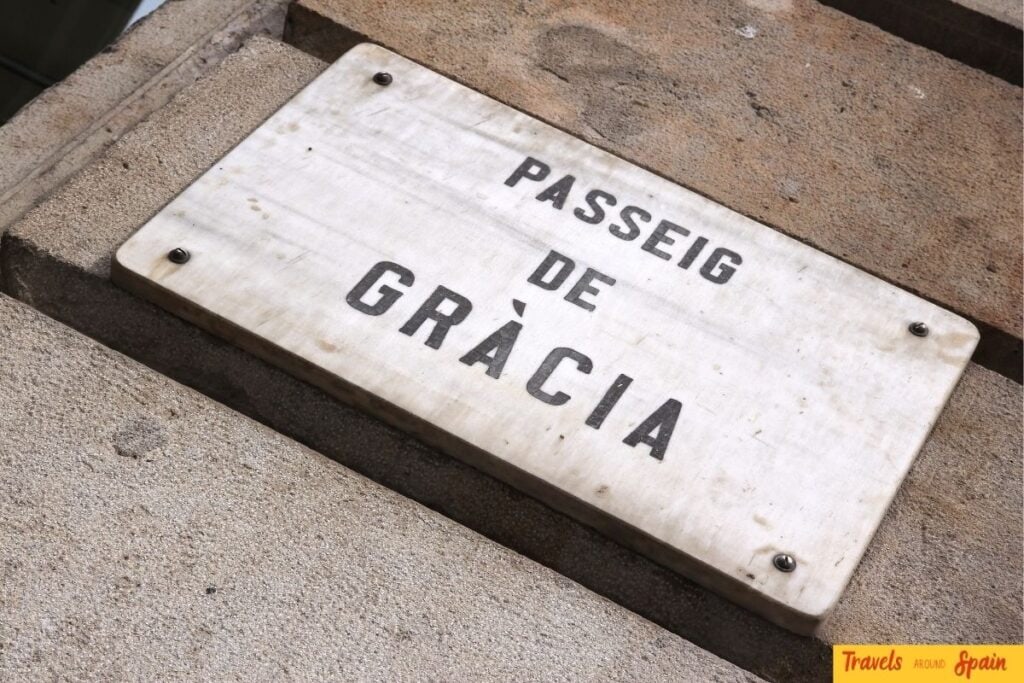
This is also a great opportunity to slow the pace a little. Grab an ice cream or coffee, browse the shop windows and enjoy watching the world go by before continuing towards the heart of the city at Plaça de Catalunya.
Plaça de Catalunya
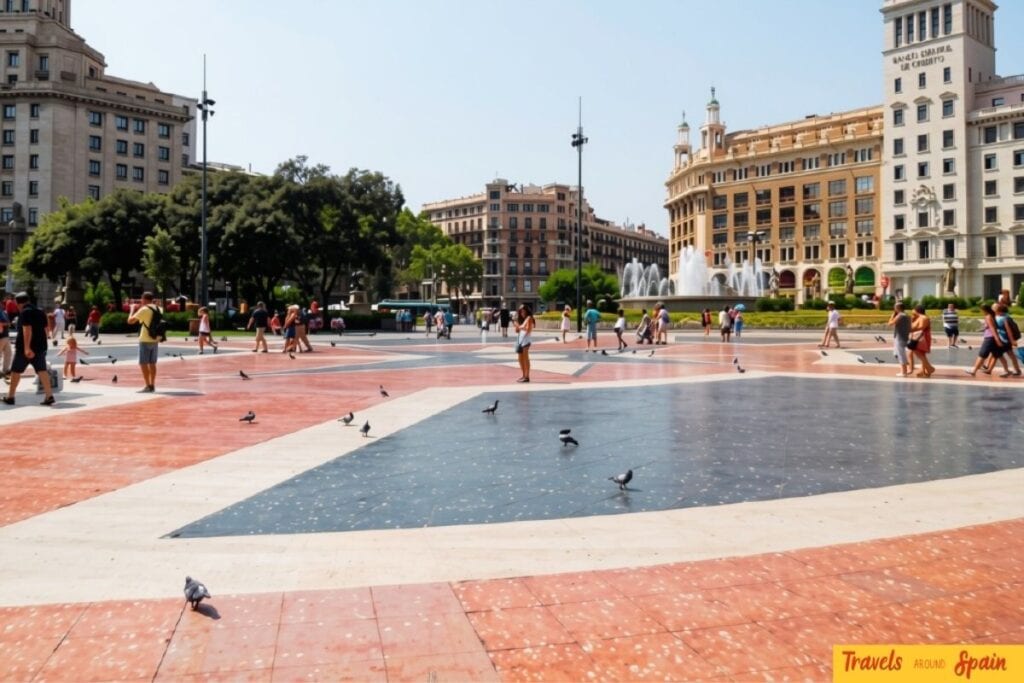
At the end of Passeig de Gràcia, you’ll arrive at Plaça de Catalunya, Barcelona’s bustling central square and the point where the elegant streets of the Eixample meet the historic Ciutat Vella (Old Town). It’s one of the city’s main transport hubs and a natural place to pause before exploring Barcelona’s oldest neighbourhoods.
Although there isn’t a huge amount to see here, the square is always full of life. Street performers, fountains and locals hurrying through give you a real sense of Barcelona’s energy. Take a few minutes to enjoy the atmosphere before heading down the city’s most famous street, La Rambla.
La Rambla
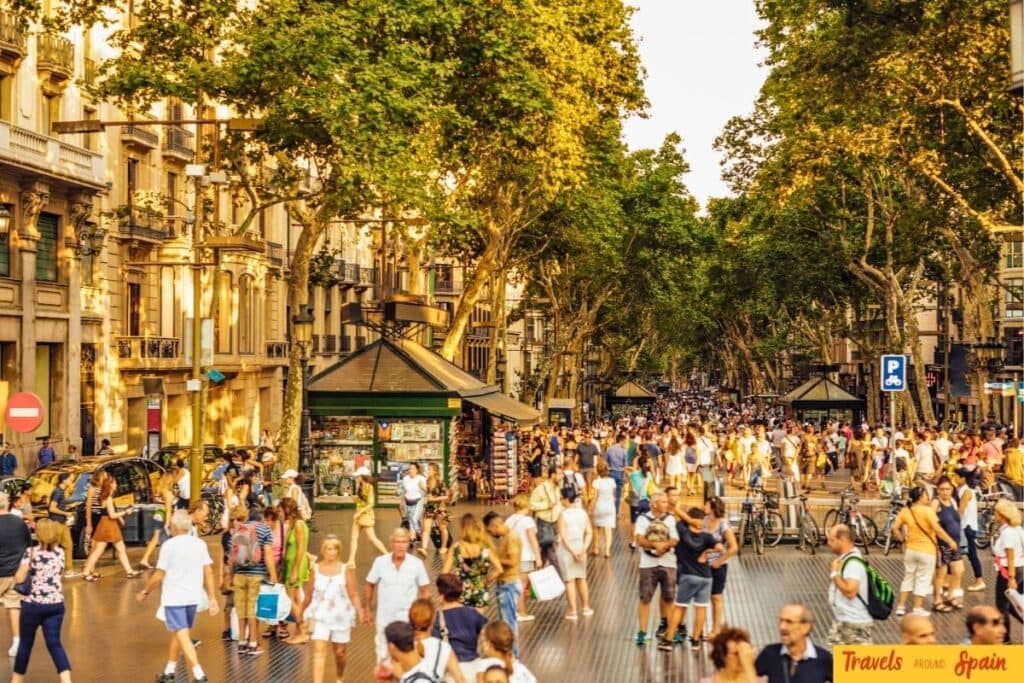
Stretching for just over a kilometre between Plaça de Catalunya and the Christopher Columbus Monument, La Rambla is Barcelona’s most famous boulevard. If it’s your first visit to the city, it’s somewhere you simply have to experience, even if only once.
That said, it isn’t my favourite part of Barcelona.
Whilst it’s packed with cafés, street performers and souvenir shops, it can also feel very touristy, particularly during the summer months. It’s also one of the city’s biggest pickpocket hotspots, so keep your belongings secure and stay aware of your surroundings.
Even so, I still recommend taking a leisurely stroll down La Rambla. Soak up the atmosphere, watch the street performers and take your time wandering towards the waterfront. If you fancy a quick detour, La Boqueria Market is just off the boulevard and is a fantastic place to sample fresh fruit juices, local produce and traditional Spanish snacks.
At the southern end of La Rambla, you’ll find the impressive Christopher Columbus Monument, built to commemorate Columbus’s return to Spain after his first voyage to the Americas. It’s a fitting end to one of Barcelona’s most iconic walks before you leave the crowds behind and step into the quieter streets of the Gothic Quarter.
The Gothic Quarter
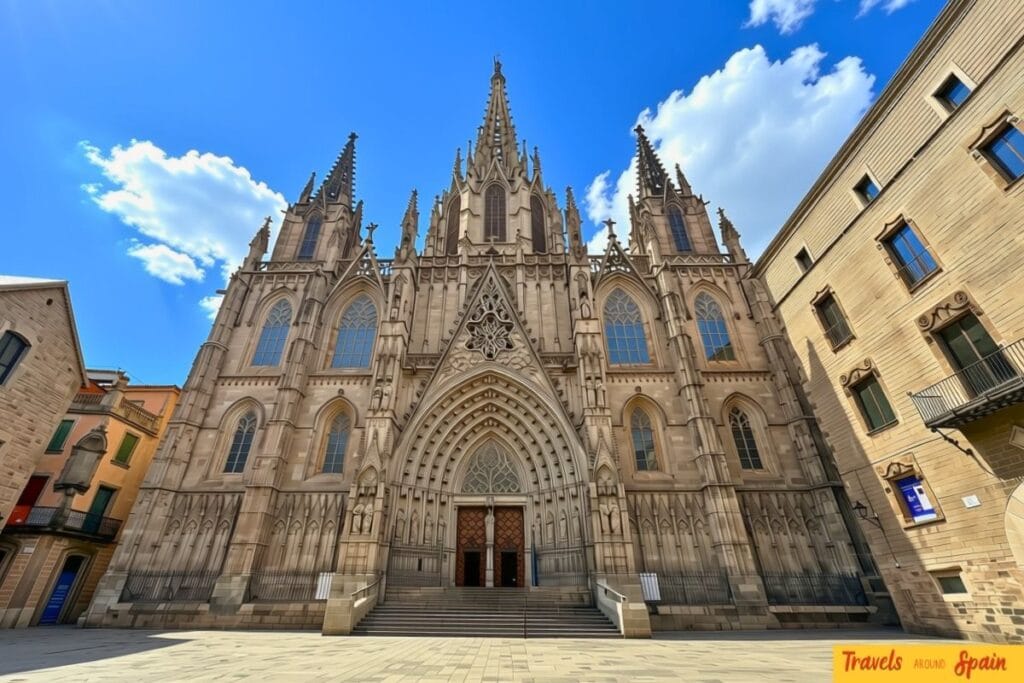
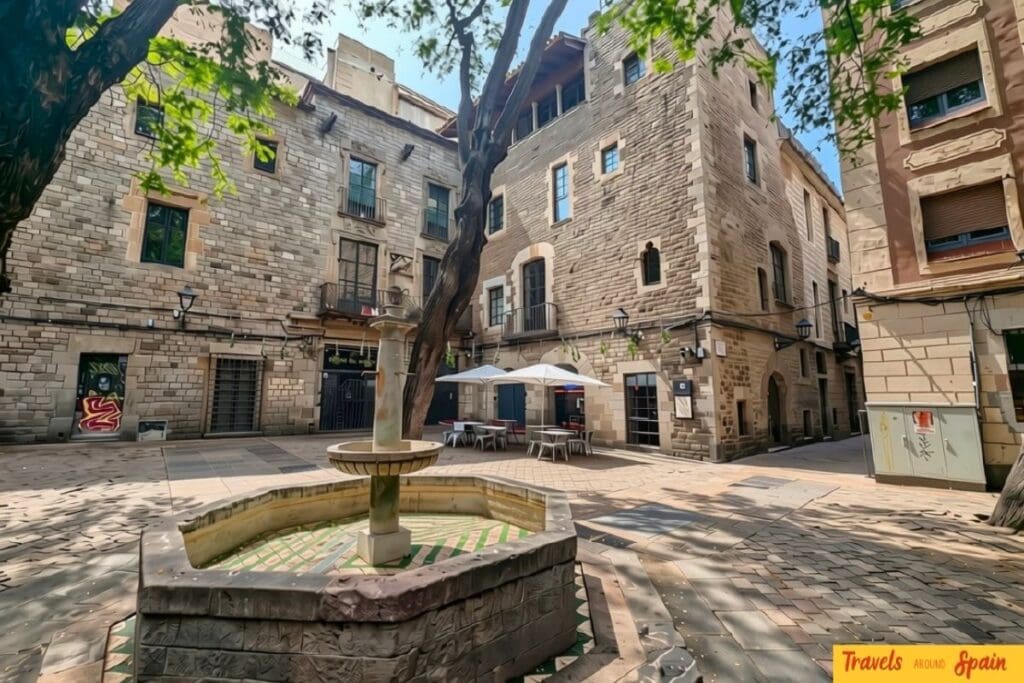
Leave the crowds of La Rambla behind and step into the Gothic Quarter (Barri Gòtic), the oldest part of Barcelona and one of my favourite places in the city. With its narrow medieval streets, hidden squares and centuries-old buildings, it feels like you’ve stepped into a completely different Barcelona.
This is one part of the city where I wouldn’t rush. Some of my favourite moments have been spent simply wandering without a map, discovering quiet courtyards, independent shops and tucked-away cafés that I’d never have found otherwise. It’s the perfect place to slow the pace after a busy morning of sightseeing.
As you explore, make sure you visit the impressive Barcelona Cathedral, admire the remains of the city’s ancient Roman walls and keep an eye out for the many talented street musicians and performers who often fill the squares with music. If you’re interested in history, you’ll quickly see how layers of Roman, medieval and modern Barcelona all come together here.
If you fancy a break, stop for a drink at Els Quatre Gats, one of Barcelona’s most famous cafés. Opened in 1897, it became a popular meeting place for artists and intellectuals, including Pablo Picasso and Antoni Gaudí, and still retains much of its historic charm today.
Before leaving the Gothic Quarter, take a moment to look up. Some of the district’s most beautiful details aren’t at street level but hidden above you, from ornate balconies draped with plants to centuries-old stone carvings that many visitors walk straight past.
Travel Tip – Don’t worry too much about following Google Maps here. The Gothic Quarter is one of those places that’s best enjoyed by wandering wherever the narrow streets take you.
Dinner at Ciutat Comtal
After relaxing and freshening up at your hotel, head out to Ciutat Comtal. Located one block north of Plaça de Catalunya, this spacious tapas bar will give you the perfect introduction to Spanish cuisine. With a huge range of dishes, there is surely something for everyone!
Catalan specialities to try include:
- Escalivada – grilled smoky vegetables.
- Calçots amb romesco – grilled spring onions.
- Pa amb tomàquet – bread with tomato and garlic which is a Catalan staple.
- Esqueixada de bacallà – shredded salt cod and tomato salad.
- Crema catalana – a Catalan dessert similar to a creme brulée.
Of course, you will also be able to try a variety of tapas. Each region in Spain has its own dishes so be adventurous. As tapas come in small plates, order a bit at a time and try something new!
Evening Drinks in the Gothic Quarter or El Raval
If you still have some energy after dinner, Barcelona’s nightlife is the perfect way to round off your first day. Whether you prefer a cosy wine bar, live music or lively cocktail bars, both the Gothic Quarter and El Raval offer plenty of options within easy walking distance.
If it’s your first visit, I’d recommend staying in the Gothic Quarter. As the sun goes down, its historic streets take on a completely different atmosphere. Many of the small bars spill out onto the squares, creating a relaxed and welcoming place to enjoy a drink whilst soaking up the city’s evening buzz.
If you’re looking for something a little different, head into El Raval. Once known for its rough reputation, the neighbourhood has transformed into one of Barcelona’s most creative districts, filled with independent bars, live music venues and an eclectic mix of cultures. It has a more alternative feel than the Gothic Quarter and is a great place to experience another side of the city.
As with any major city, keep an eye on your belongings and stick to the busier, well-lit streets if you’re exploring later in the evening. Barcelona is generally a safe city to enjoy after dark, and I’ll share a few more safety tips later in this guide.
Day 2: Park Güell, Gràcia and Barcelona’s Mediterranean Charm
Highlights: Park Güell, Gràcia, Camp Nou, Barceloneta Beach and Montjuïc
Your second day in Barcelona combines colourful architecture, local neighbourhoods, football history and time by the Mediterranean. After yesterday’s packed sightseeing, today has a slightly more relaxed feel, giving you the chance to experience another side of the city before ending your trip with one of Barcelona’s most memorable viewpoints.
As with Day 1, it’s worth starting early, particularly if you’re visiting Park Güell, where timed entry tickets often sell out well in advance. Booking ahead will help you make the most of your final day in Barcelona.
Parc Güell
Start your second day at Park Güell, one of Antoni Gaudí’s most colourful creations and another of Barcelona’s UNESCO World Heritage Sites. Originally designed as a luxury housing development in the early 1900s, the project never took off as planned. Instead, it became the beautiful public park we know today, filled with imaginative architecture, vibrant mosaics and some of the best views over Barcelona.
I always recommend visiting in the morning. Not only are the temperatures more comfortable during the warmer months, but you’ll also have a better chance of enjoying the park before it becomes crowded. Be sure to book your tickets in advance, as visitor numbers are limited and the most popular time slots often sell out.
The park is unlike anywhere else in Barcelona. Wander through its winding pathways, admire the colourful mosaic-covered terraces and don’t miss the famous El Drac salamander, one of the city’s most photographed landmarks. The sweeping views across Barcelona from the main terrace are also well worth taking a few minutes to enjoy.
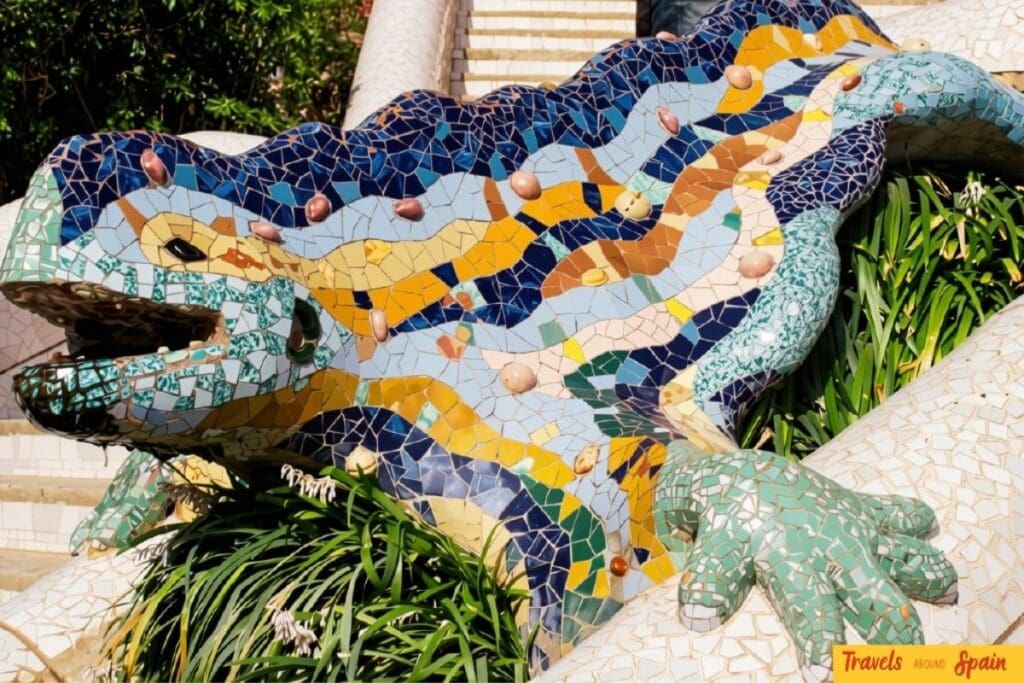
One thing that often catches first-time visitors by surprise is the walk to the entrance. Although the metro is the easiest way to get here, you’ll still have a fairly steep uphill walk unless you take one of the local buses. It’s something to keep in mind, especially during the hotter summer months.
If you have a little extra time, consider visiting the Gaudí House Museum, where the architect lived for almost 20 years. It’s a fascinating insight into his life and contains furniture and objects he designed himself.
Gràcia
After exploring Park Güell, make your way into Gràcia, one of Barcelona’s most characterful neighbourhoods. Before it was absorbed into the expanding city in the late 19th century, Gràcia was an independent village, and it still retains a distinctly local feel that’s very different from the busier tourist areas.
This is one of my favourite neighbourhoods to wander around. The streets are lined with independent boutiques, bakeries, cafés and family-run restaurants, whilst the leafy squares provide the perfect place to slow down and enjoy the atmosphere. It feels less hurried than the city centre and offers a glimpse of everyday life in Barcelona.
If you’re ready for another coffee or a light bite, grab a table in Plaça del Sol or Plaça de la Vila de Gràcia and spend a little time people-watching. One of the things I love most about Barcelona is how each neighbourhood has its own personality, and Gràcia is a perfect example of that.
Before continuing to your next stop, take a little time to explore the surrounding streets. You never know what you’ll discover, whether it’s a colourful piece of street art, a hidden courtyard or a small independent shop selling locally made products.
Travel Tip – If your visit falls in August, Gràcia hosts the famous Festa Major de Gràcia, when residents transform the streets with spectacular handmade decorations. It’s one of Barcelona’s most unique festivals and well worth experiencing if your dates line up.
Camp Nou (Optional)
If you’re a football fan, no trip to Barcelona feels complete without visiting Spotify Camp Nou, the legendary home of FC Barcelona. I’ve been a football fan for as long as I can remember, so stepping inside the stadium for the first time as a 14-year-old on my very first trip to Barcelona is still one of my favourite travel memories.
Following a major redevelopment, the stadium has reopened for matches, but work is still continuing on parts of the project. Visitors can currently explore the excellent Barça Museum and immersive exhibition, with some areas of the stadium experience remaining limited whilst the final construction phases are completed. It’s still well worth a visit if you’re an FC Barcelona supporter, but it’s worth checking exactly what’s included before booking your ticket, as the visitor experience may change while work continues.
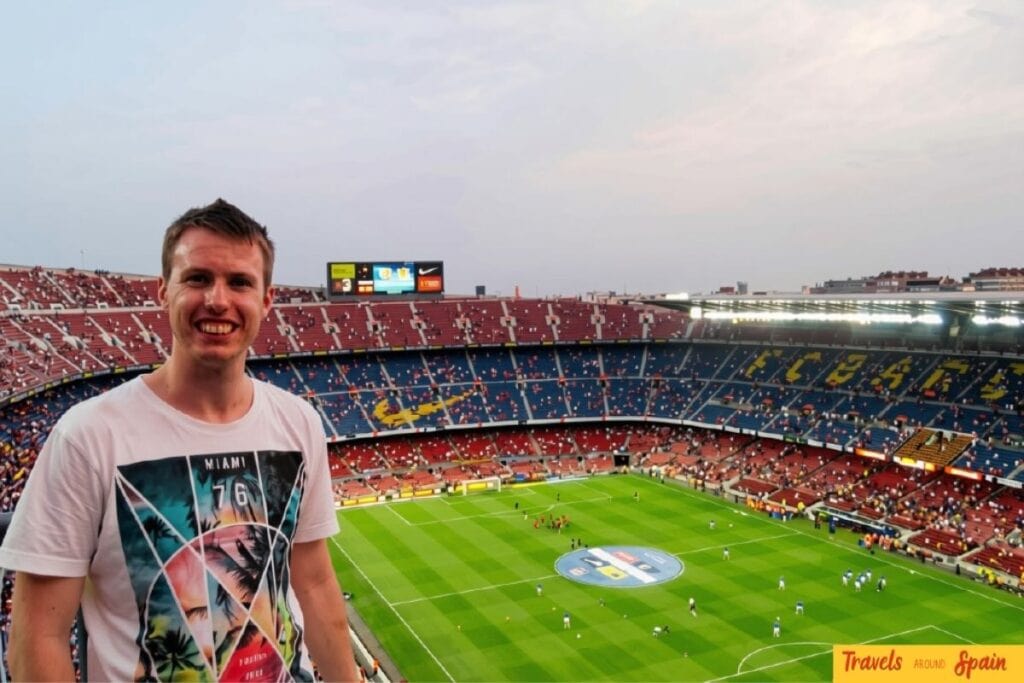
The museum does an excellent job of telling the club’s story, from its founding in 1899 to becoming one of the biggest football clubs in the world. You’ll see famous trophies, interactive displays and memorable moments from the club’s history, making it enjoyable even if you’re travelling with someone who isn’t football mad.
If football isn’t really your thing, I’d suggest skipping this stop and spending a little longer exploring Gràcia or relaxing later at Barceloneta Beach. One of the advantages of a self-guided itinerary is that you can easily tailor it to suit your own interests.
Barceloneta Beach
After a busy morning of sightseeing, it’s time to slow things down at Barceloneta Beach, Barcelona’s most famous stretch of coastline. Whether you fancy a swim in the Mediterranean, a stroll along the promenade or simply sitting with a cold drink and enjoying the sea breeze, it’s the perfect place to recharge before your final evening in the city.
One of the things I love most about Barceloneta is its atmosphere. You’ll find locals playing beach volleyball, cyclists cruising along the seafront, street musicians performing and plenty of chiringuitos, or beach bars, serving drinks and fresh seafood. It’s a great reminder that Barcelona is just as much a beach destination as it is a cultural city.
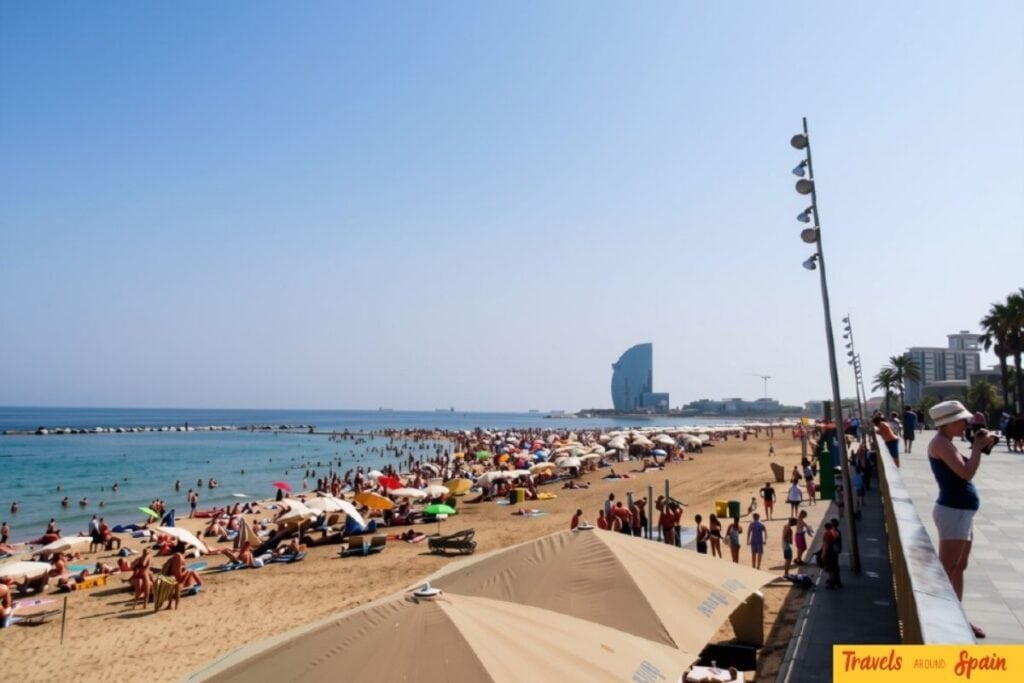
If the weather is warm, don’t forget your swimwear. Even if you only have time to dip your feet in the Mediterranean, it’s a lovely way to break up a packed itinerary. If you’d rather stay dry, grab an ice cream and enjoy a leisurely walk along the waterfront towards Port Olímpic.
Montjuïc
Finish your final afternoon by heading up to Montjuïc, one of my favourite areas of Barcelona. Overlooking the city and the Mediterranean, this historic hill offers some of the best views in Barcelona and is the perfect place to reflect on everything you’ve packed into the last two days.
If you’re travelling by Metro, get off at Plaça d’Espanya and make your way towards the impressive Palau Nacional, home to the National Art Museum of Catalonia. Even if you don’t visit the museum itself, the views from the steps are spectacular, especially as the sun begins to set.
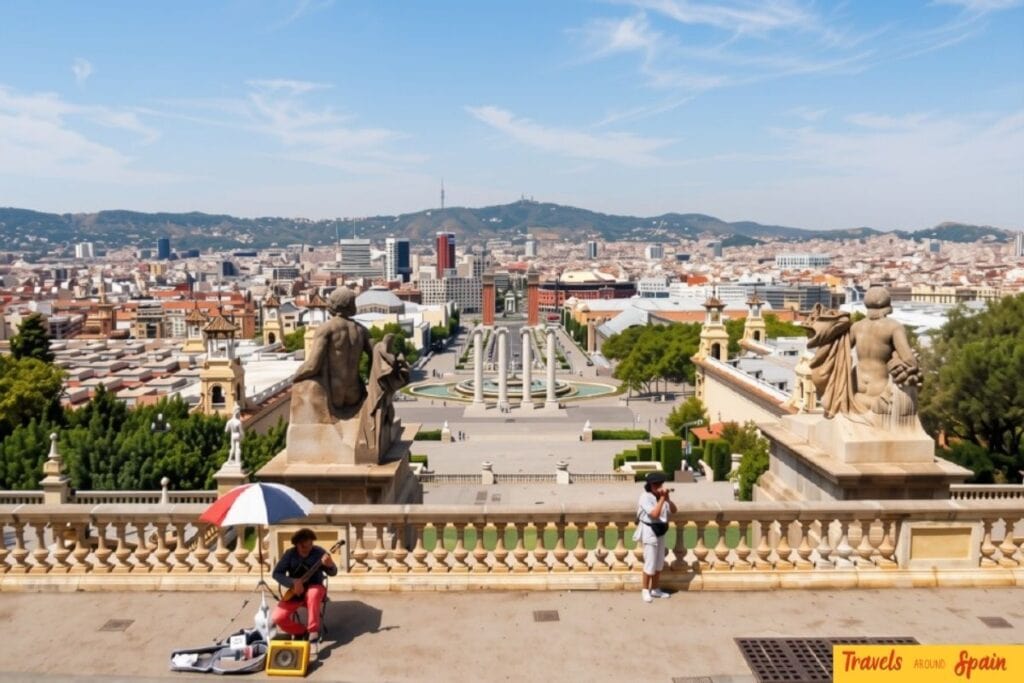
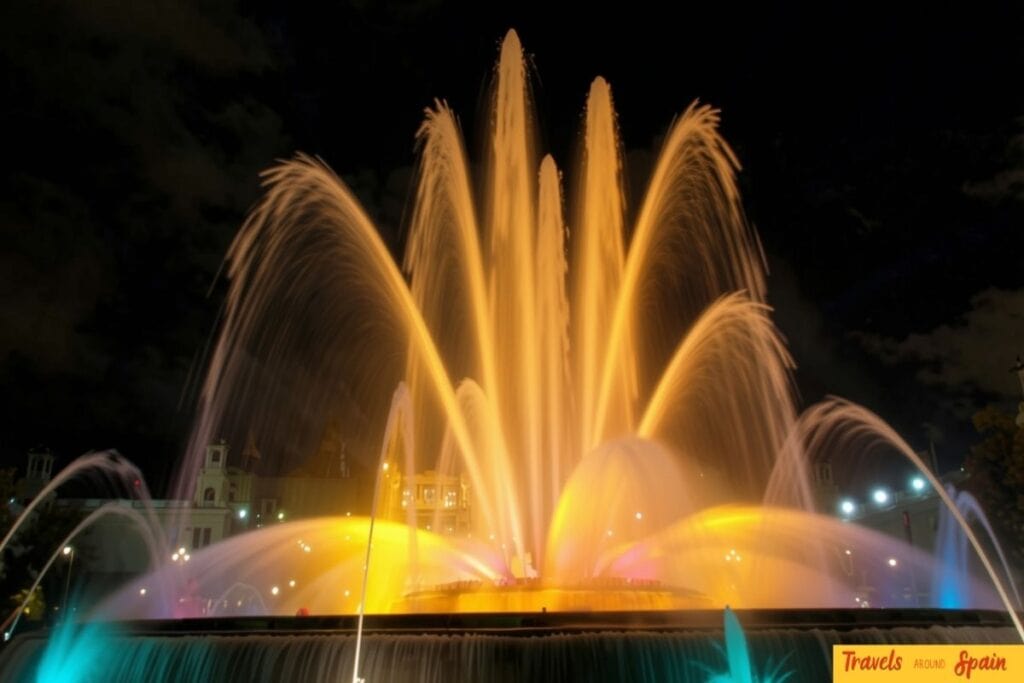
At the foot of the palace is the Magic Fountain of Montjuïc, which has long been one of Barcelona’s most popular evening attractions thanks to its choreographed light, music and water displays. It’s a memorable way to end a trip to the city, but it’s worth checking the latest schedule before you visit, as performances can occasionally be suspended or altered due to maintenance or drought restrictions.
Whether the fountain is operating or not, Montjuïc is still well worth the visit. The panoramic views across Barcelona are some of my favourites in the city and provide a fitting finale before your last dinner.
Dinner at Bar Cañete
Round off your 2 days in Barcelona with a memorable dinner at Bar Cañete, one of my favourite restaurants in the city. Tucked away on the edge of the Gothic Quarter, it’s a place where traditional Catalan flavours are elevated without losing their authenticity, making it the perfect way to end your trip.
The menu changes with the seasons, but you can expect everything from beautifully cooked seafood and Iberian ham to classic tapas prepared with exceptional ingredients. If you’re struggling to decide, ask the staff for their recommendations. They’re incredibly knowledgeable and happy to guide you through the menu.
What I love most about Bar Cañete is the atmosphere. The open kitchen, friendly service and lively buzz make it feel like a real celebration of Barcelona’s food culture. It’s popular with both locals and visitors, which is always a good sign.
If you’d rather sit at the counter, you’ll have a front-row seat as the chefs prepare each dish, adding another layer to the experience.

Where To Stay In Barcelona For 2 Days?
When you only have 2 days in Barcelona, choosing the right area to stay can make a huge difference. The more central your accommodation, the less time you’ll spend travelling and the more time you’ll have to explore the city’s incredible sights.
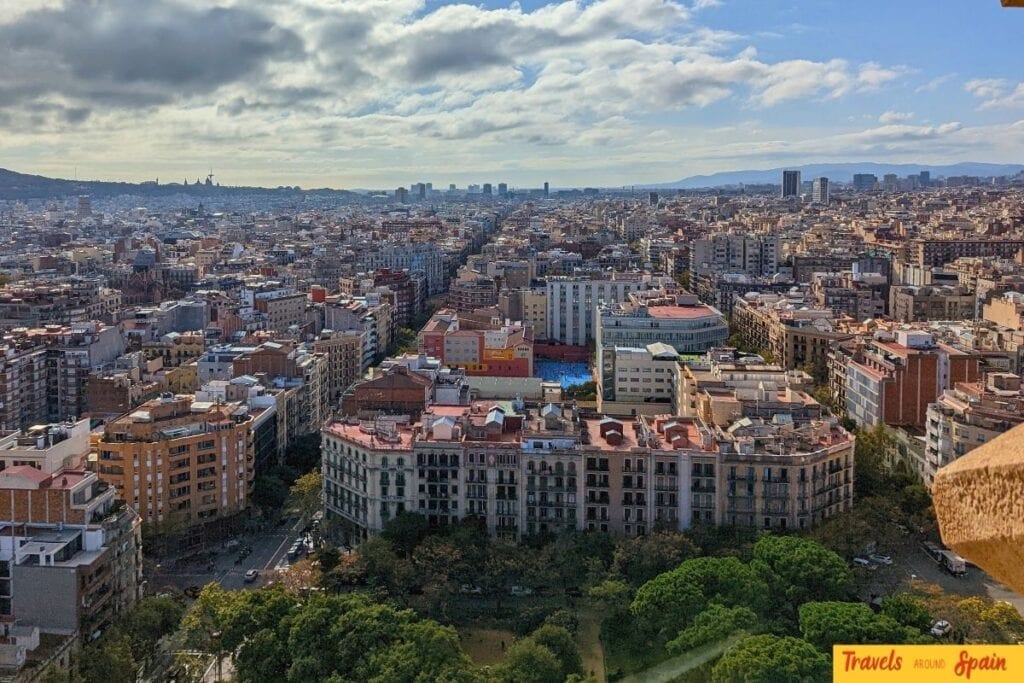
For a first visit, I’d recommend staying in Eixample or around Plaça de Catalunya. Both neighbourhoods are within easy walking distance of attractions like Casa Batlló, Passeig de Gràcia, La Rambla and the Gothic Quarter, whilst excellent Metro connections make it easy to reach places like Park Güell and Barceloneta Beach. If you prefer a livelier atmosphere, the Gothic Quarter is another excellent option, although it can be a little noisier in the evenings.
Here are my top accommodation recommendations for every budget.
Budget: Piulet Hostel
If you’re travelling on a budget, I can highly recommend Piulet Hostel. I stayed here during my most recent trip to Barcelona in 2024 and would happily book it again.
The beds were comfortable, the communal living area was spacious and welcoming, and the rooftop terrace was a fantastic place to relax after a busy day exploring the city. One thing that really stood out was how spotless everything was. The housekeeping team seemed to be cleaning throughout the day, so the hostel always felt fresh and well looked after.
The staff were incredibly friendly and welcoming, and its central location makes it an excellent base for exploring Barcelona without spending hours on public transport.
Mid-Range
If you’re looking for a little more comfort, Catalonia Ramblas is a fantastic choice. Located just a few minutes from Plaça de Catalunya and La Rambla, it’s perfectly positioned for this itinerary. Comfortable rooms, a rooftop pool and an excellent location make it one of the best mid-range options in the city.
Luxury: Majestic Hotel & Spa Barcelona
For a luxury stay, it’s hard to beat the Majestic Hotel & Spa Barcelona. Located on Passeig de Gràcia, this iconic five-star hotel combines elegant rooms, outstanding service and one of Barcelona’s best rooftop terraces, all within walking distance of many of the city’s biggest attractions.
Is Barcelona Safe?
Overall, Barcelona is a safe city to visit, and I’ve always felt comfortable exploring both during the day and in the evening. After seven visits, I’ve never experienced any crime, but as with any major European city, it’s important to stay aware of your surroundings and take a few sensible precautions.
The biggest issue visitors are likely to encounter is pickpocketing, particularly in busy tourist areas such as La Rambla, the Gothic Quarter, Metro stations and around popular attractions. Keep your phone, wallet and passport somewhere secure, avoid carrying valuables in your back pocket and stay alert in crowded places.
If you’re planning to spend some time at Barceloneta Beach, don’t leave your belongings unattended whilst you go for a swim. Opportunistic thieves are known to target bags left on the sand, so it’s best to keep valuables with you or take turns watching your belongings if you’re travelling with someone else.
Barcelona’s public transport is reliable and easy to use, and I’ve never had any issues using the Metro, even in the evenings. As with any city, stick to well-lit areas at night, be cautious of distractions or anyone offering deals that seem too good to be true, and keep an eye on your belongings.
Don’t let Barcelona’s reputation for pickpockets put you off visiting. It’s one of my favourite cities in Spain, and after seven trips, I’ve found that taking the same common-sense precautions I would in London or any other major European city has been more than enough to enjoy everything Barcelona has to offer.
Frequently Asked Questions
Is 2 days enough in Barcelona?
Yes, 2 days in Barcelona is enough to experience the city’s biggest highlights, especially if it’s your first visit. Whilst you won’t have time to see absolutely everything, you can comfortably visit iconic attractions such as La Sagrada Família, Park Güell, Casa Batlló, the Gothic Quarter and Barceloneta Beach.
I’ve visited Barcelona seven times, and every trip has shown me something new. That’s one of the reasons I love the city so much. This itinerary is designed to give you the perfect introduction whilst leaving plenty of reasons to come back.
Can you see Barcelona in 2 days?
Absolutely. Barcelona is surprisingly compact, and many of its most famous attractions are either within walking distance of each other or easily connected by Metro.
To make the most of your time, I recommend booking tickets for popular attractions like La Sagrada Família and Park Güell in advance. That way you’ll spend more time exploring and less time queueing.
Where should I stay for 2 days in Barcelona?
For a short visit, I’d recommend staying in Eixample, around Plaça de Catalunya or in the Gothic Quarter. These neighbourhoods provide easy access to many of Barcelona’s main attractions and excellent public transport links.
If you’re travelling on a budget, I can personally recommend Piulet Hostel, where I stayed during my 2024 visit. It’s centrally located, comfortable and offers excellent value for money.
Is Barcelona walkable in 2 days?
Many of Barcelona’s main attractions are within walking distance, particularly around Eixample, Passeig de Gràcia, La Rambla and the Gothic Quarter. However, I’d recommend using the Metro for longer journeys to places such as Park Güell, Camp Nou and Barceloneta Beach to save both time and energy.
A combination of walking and public transport is the best way to explore the city.
Should I buy the Hola Barcelona Travel Card?
If you’re planning to use public transport several times during your trip, the Hola Barcelona Travel Card can be excellent value. It offers unlimited travel on the Metro, buses, trams and most local trains for a fixed period, making it easy to get between Barcelona’s major attractions without worrying about buying individual tickets.
For this itinerary, I’d definitely consider it, especially if you’re staying outside the city centre.
How much does 2 days in Barcelona cost?
Barcelona isn’t the cheapest city in Spain, but it’s possible to visit on almost any budget. Accommodation is usually the biggest expense, followed by attraction tickets if you plan to visit places like La Sagrada Família, Park Güell and Casa Batlló.
By staying in budget accommodation, using public transport and mixing paid attractions with free experiences such as exploring the Gothic Quarter and relaxing at Barceloneta Beach, you can enjoy an unforgettable 2 days in Barcelona without overspending.
Final Thoughts on Spending 2 Days in Barcelona
Although 2 days in Barcelona will only scratch the surface, it’s more than enough time to fall in love with one of Europe’s most exciting cities. From the breathtaking beauty of La Sagrada Família and the colourful mosaics of Park Güell to wandering the historic streets of the Gothic Quarter and relaxing by the Mediterranean, Barcelona offers an incredible mix of history, culture, architecture and food.
I’ve been lucky enough to visit Barcelona seven times, and every trip has been different. Whether it’s discovering a new restaurant, revisiting a favourite neighbourhood or finally ticking another attraction off my list, I always find another reason to come back. That’s one of the things I love most about the city, there’s always something new waiting to be discovered.
I hope this itinerary helps you make the most of your time and gives you the confidence to explore one of Spain’s most unforgettable destinations. And don’t worry if you can’t fit everything in. That’s simply the perfect excuse to start planning your next trip to Barcelona.