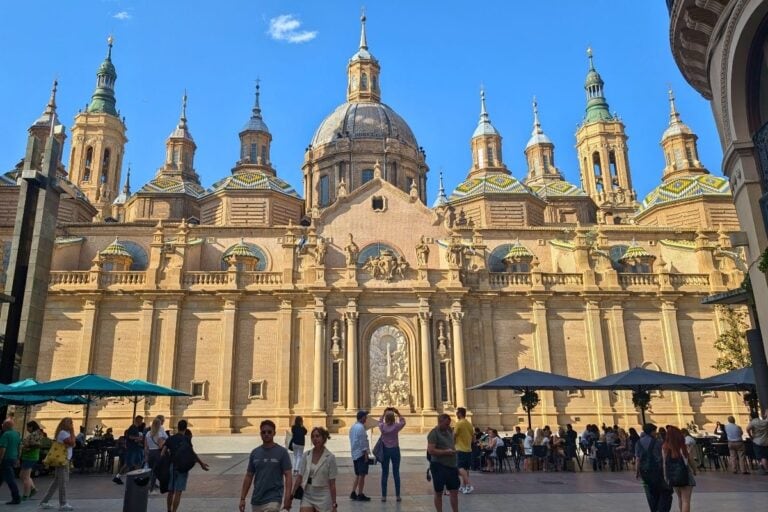
2 Days in Zaragoza Itinerary: The Perfect First-Time Guide
A complete Zaragoza itinerary with food, views, and local tips.
By Liam Mulligan | Published on May 23, 2026 | Modified on May 25, 2026
Travels Around Spain contains affiliate links. This means I may earn a commission if you make a purchase or booking through these links, at no extra cost to you. As an Amazon Associate I earn from qualifying purchases. I only recommend products and services I use and trust. Read my full Affiliate Disclosure for more information.
Is Zaragoza worth visiting, or is it just a convenient stop between Madrid and Barcelona?
Before my visit in 2024, I wasn’t entirely sure. Zaragoza had always felt like one of those cities you pass through rather than plan a trip around. But that changed quickly.
I visited as part of a northern Spain route, travelling from Bilbao to Logroño and Pamplona before arriving in Aragón. It was actually the final autonomous community I had left to visit, which made the stop feel even more special. I spent three nights here before continuing on to Barcelona, expecting a fairly low-key experience.
Instead, Zaragoza completely surprised me.
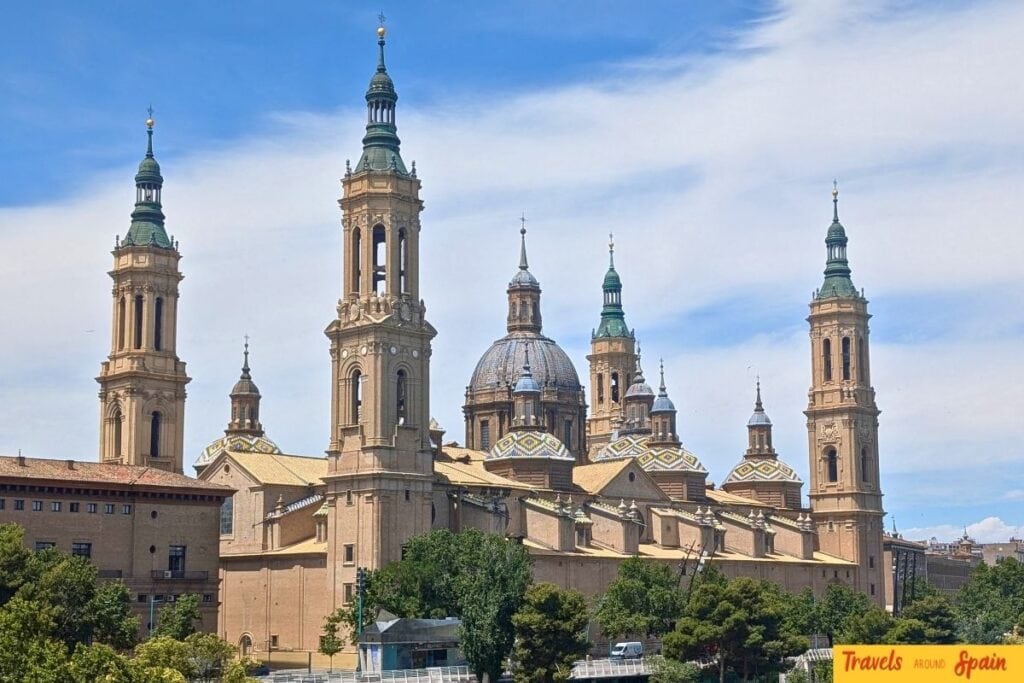
The Basílica del Pilar was the standout. It’s huge, dramatic, and genuinely over the top in the best way. Climbing the tower for views over the Ebro River was easily one of the highlights of my trip.
Then there was the food. I tried ternasco, had some incredible steak, and quickly realised Aragón is seriously underrated when it comes to Spanish cuisine.
By the end of my stay, it was clear Zaragoza isn’t just a stopover. It’s a destination in its own right.
In this guide, I’ll show you exactly how to spend 2 days in Zaragoza, including what to see, where to eat, and how to make the most of your time.
Quick Overview: 2 Days in Zaragoza
Best For: Travellers looking for a less touristy Spanish city with great food and impressive architecture
How Long to Spend: 2 days is ideal for a first visit
Top Attraction: Basílica del Pilar and the tower views over the Ebro River
Don’t Miss: Aljafería Palace, El Tubo tapas area, trying ternasco. sunset by the River Ebro
Best Time to Visit: Spring and autumn for the most comfortable weather
How to Get There: High-speed train from Madrid (1h 15m) or Barcelona (1h 30m)
Where I Stayed: Botanic Hostel
Biggest Surprise: How underrated Zaragoza feels compared to other Spanish cities
My Favourite Food Experience: Ternasco at Restaurant El Fuelle and steak at Asador Pasiego
Budget: Generally cheaper than Madrid and Barcelona
PLAN YOUR TRIP TO Zaragoza
Trusted resources for planning your Zaragoza trip.
Hotels in Zaragoza – Find hotels near Plaza del Pilar and Zaragoza’s historic centre.
Aljafería Palace Tours & Tickets – Browse tours and tickets for Zaragoza’s stunning Moorish palace.
Is Zaragoza Worth Visiting?
Absolutely. While Zaragoza is often overshadowed by cities like Madrid and Barcelona, it ended up being one of the biggest surprises of my trip through northern Spain. With impressive landmarks, excellent food, and a more relaxed atmosphere, it’s a city that deserves far more attention than it gets.
Why Zaragoza Is Often Overlooked
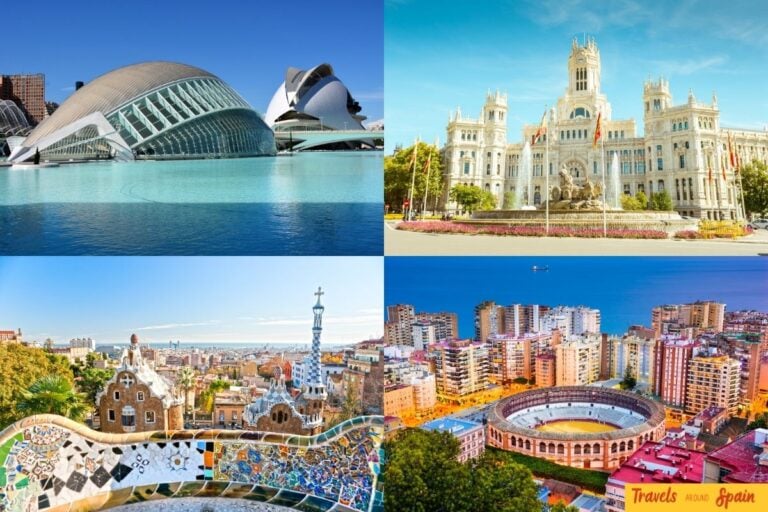
Zaragoza sits in an unfortunate position. It’s right between Madrid and Barcelona, two of Spain’s most visited cities, which means most travellers either pass straight through or don’t consider stopping at all.
When people plan a trip to Spain, they tend to prioritise places like Barcelona, Seville, or Granada. Even northern cities like Bilbao and San Sebastián often get more attention. Zaragoza rarely makes that first draft itinerary.
There’s also a perception that it doesn’t have a single “must-see” attraction on the same level as somewhere like the Sagrada Familia or the Alhambra. Because of that, it’s often dismissed as not worth the time.
But that’s exactly what makes it interesting.
What Makes Zaragoza Unique
Zaragoza doesn’t rely on hype. It’s a city that quietly delivers once you’re there.
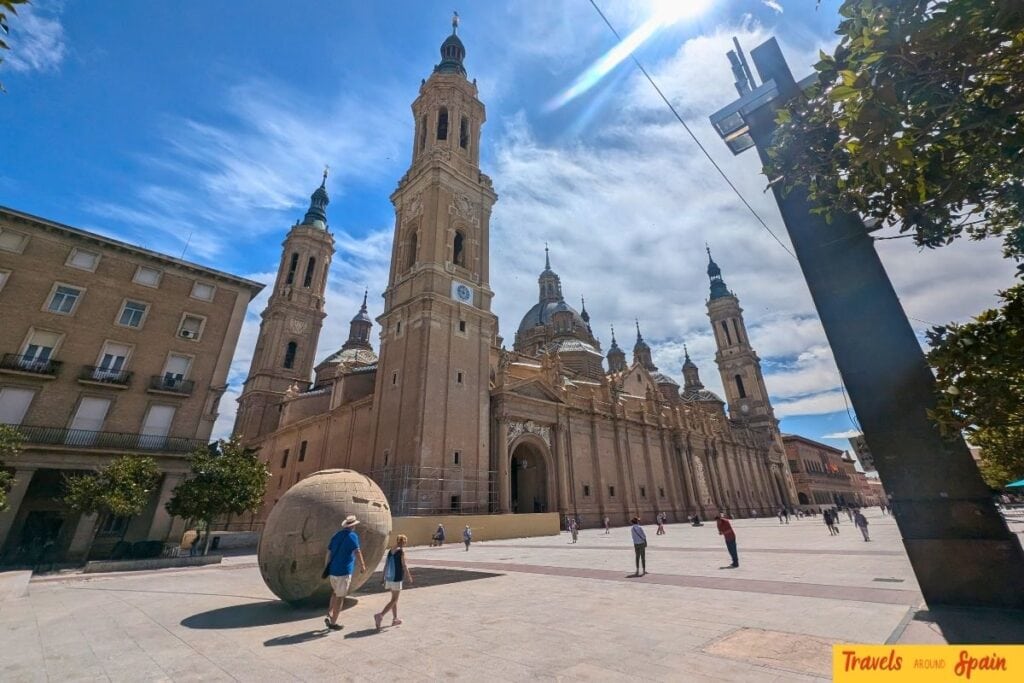
The standout is the Basílica del Pilar. It completely dominates the skyline and feels far more grand than you might expect. When you’re standing in Plaza del Pilar looking up at it, it’s hard to understand why it isn’t talked about more.
Then there’s the atmosphere. Zaragoza feels like a real, lived-in Spanish city. It’s not overly polished for tourists, which makes everything feel more authentic. You’re not constantly surrounded by crowds or queues, and it’s much easier to just enjoy the place at your own pace.
The food is another highlight. Aragón isn’t always mentioned alongside regions like Andalusia or the Basque Country, but it should be. Dishes like ternasco and high-quality local meats make it a great place to eat, especially if you enjoy hearty, traditional food.
My Honest Experience Visiting Zaragoza
Going in, I expected Zaragoza to be a fairly quiet stop on my route through northern Spain.
Instead, it ended up being one of the most memorable parts of the trip.
The Basílica del Pilar was even more impressive than I expected. It’s not just the size, it’s how over the top it feels in the best way. Climbing the tower and seeing the views over the Ebro River and across the city was a real highlight.
What stood out just as much, though, was how relaxed everything felt. Even compared to places like Bilbao and Pamplona, Zaragoza had its own slower pace. It felt less focused on tourism and more like somewhere people simply live and go about their daily lives.
And then there was the food. The ternasco was excellent, and I had some of the best steak I’ve had in Spain here. Meals felt local, authentic, and far from the typical tourist menus you sometimes find in bigger cities.
By the end of my stay, it was clear that Zaragoza isn’t just worth visiting. It’s one of the most underrated cities in Spain.
Is 2 Days in Zaragoza Enough?
What You Can Realistically See in 2 Days
For most travellers, 2 days in Zaragoza is the perfect amount of time.
The city is compact and easy to explore, which means you can see the main sights without feeling rushed. Over two days, you can visit the Basílica del Pilar and climb the tower for views, explore Plaza del Pilar and the surrounding landmarks, step inside La Seo Cathedral, and visit the Aljafería Palace. There’s also plenty of time to wander through the old town and enjoy the food scene in areas like El Tubo.
What makes Zaragoza ideal for a short trip is how walkable it is. Most of the key attractions are located close together, so you won’t spend your time travelling between different parts of the city.
When You Might Want More Time
While 2 days is enough for most visitors, there are a few situations where you might want longer.
If you prefer a slower pace of travel, Zaragoza is a great place to stretch your stay. It’s not just about the main landmarks. Some of the best moments come from sitting in a plaza, enjoying a long lunch, or simply taking your time exploring the city without a fixed plan.
You might also want more time if you’re interested in visiting additional museums, taking day trips into the Aragón region, or diving deeper into the local food scene.
That said, for a first visit, two days gives you a well-rounded and satisfying experience.
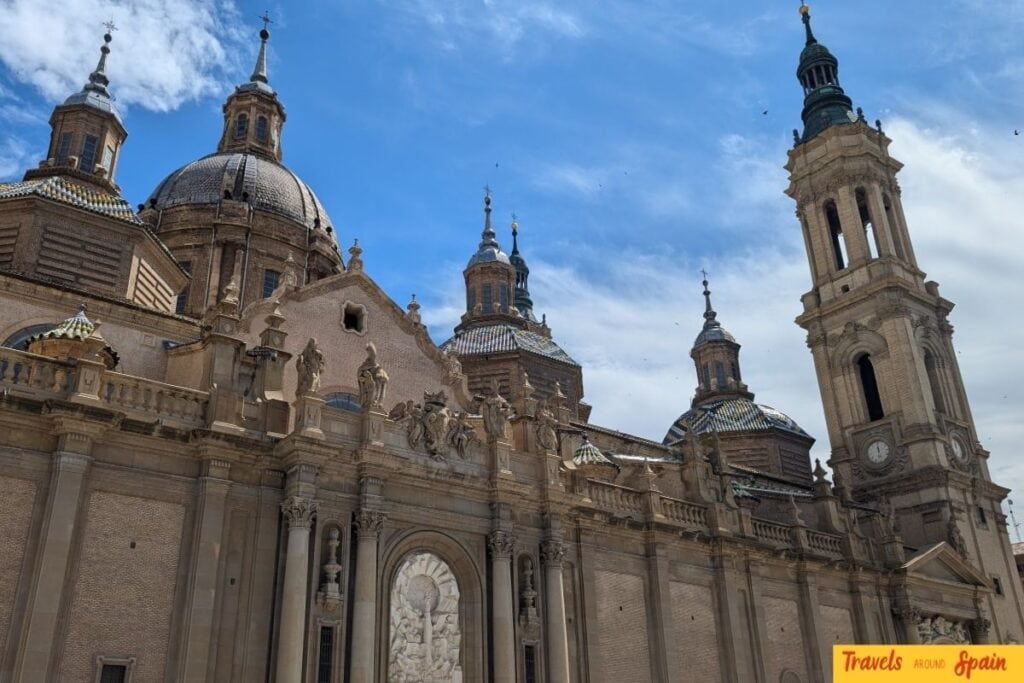
Photo by Travels Around Spain.
Who This Itinerary Is Perfect For
This itinerary works particularly well if you’re travelling between Madrid and Barcelona and want to break up the journey with a worthwhile stop.
It’s also a great fit if you prefer cities that feel more authentic and less crowded, or if food plays a big part in how you experience a destination. Zaragoza offers something different from Spain’s bigger cities without requiring a huge time commitment, making it ideal for travellers looking to go beyond the usual highlights.
2 Days in Zaragoza Itinerary
Day 1: Historic Centre and Iconic Landmarks
If it’s your first time in Zaragoza, your first day should focus on the historic centre. This is where you’ll find the city’s most impressive landmarks, all within easy walking distance of each other.
Plaza del Pilar
Start your day in Plaza del Pilar, the heart of Zaragoza and one of the largest squares in Spain. It’s the kind of place that immediately gives you a sense of the city. Open, grand, and surprisingly calm compared to similar spaces in bigger cities. This is a great first stop on your Zaragoza itinerary and the perfect place to grab a coffee.
Basílica del Pilar (with tower views)
From here, it’s impossible to miss the Basílica del Pilar. This was easily the highlight of my time in Zaragoza and one of the most impressive buildings I’ve seen anywhere in Spain. The scale of it really catches you off guard. It feels far more dramatic and over the top than you might expect.
It’s no surprise that it was voted one of the 12 treasures of Spain by the Spanish public, and once you see it in person, it’s easy to understand why.
Make sure you go inside, but don’t stop there. One of the best things you can do is take the lift up the tower. The views from the top stretch across the Ebro River and over the rooftops of Zaragoza, giving you a completely different perspective of the city. It was one of those moments that really stayed with me after the trip.
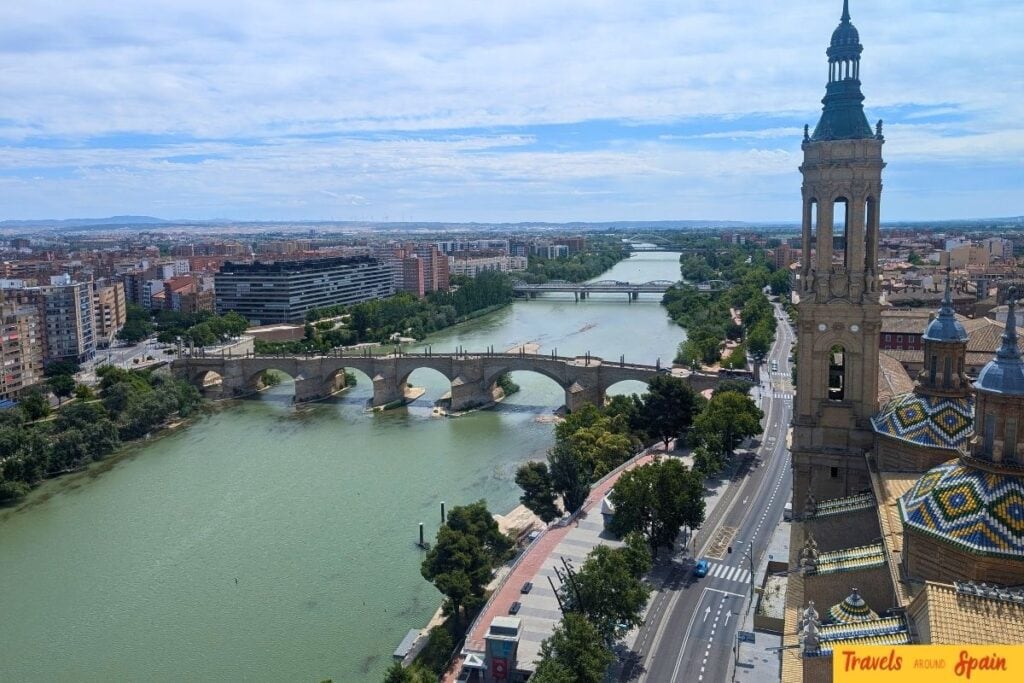
Photo by Travels Around Spain.
Pro-Tip: To go up the tower, exit the basilica and head towards the riverside. The entrance to the lift is accessible from a doorway on this side.
La Seo Cathedral
Just a short walk away is La Seo Cathedral, which offers a completely different style. While the Basílica del Pilar is bold and imposing, La Seo has a more intricate and historic feel, with a mix of architectural styles that reflect Zaragoza’s long history.
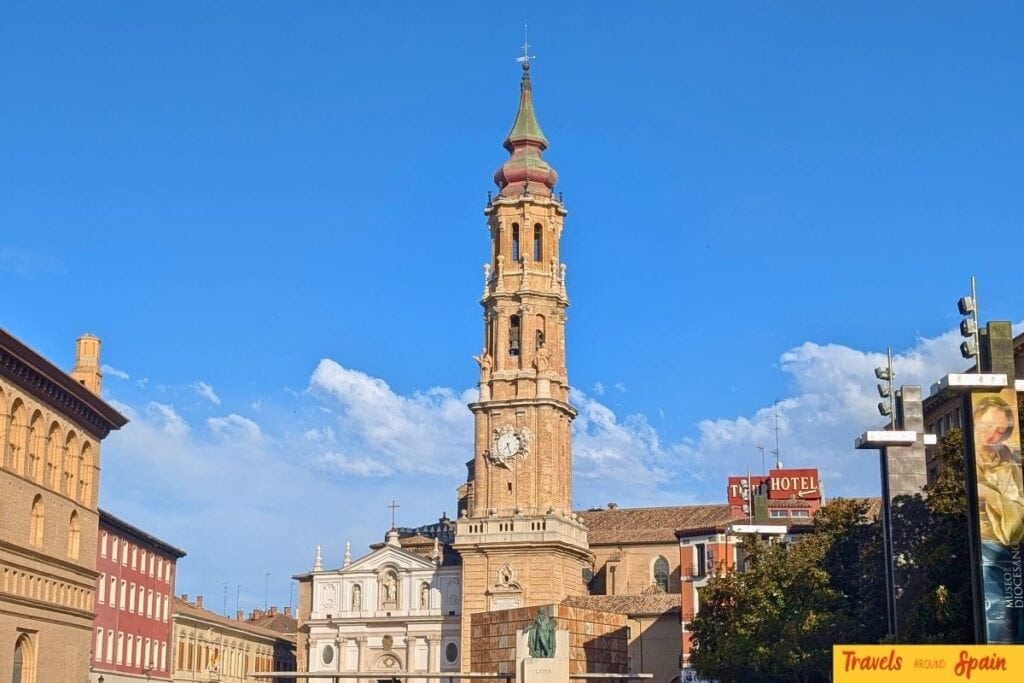
Sunset by the Ebro River
Once you’ve explored the main landmarks, take some time to simply wander. The streets around the historic centre are perfect for getting a feel for the city, and you don’t need a strict plan here.
As the day winds down, head towards the Ebro River. The area around the river is a great place to slow things down and take in the atmosphere, especially around sunset. Watching the light hit the Basílica del Pilar from this angle is a great way to end your first day in the city.
Day 2: Culture, Palaces and Local Food
After focusing on the main landmarks on your first day, your second day in Zaragoza is all about exploring the city’s history in more depth and experiencing its food scene.
Aljafería Palace
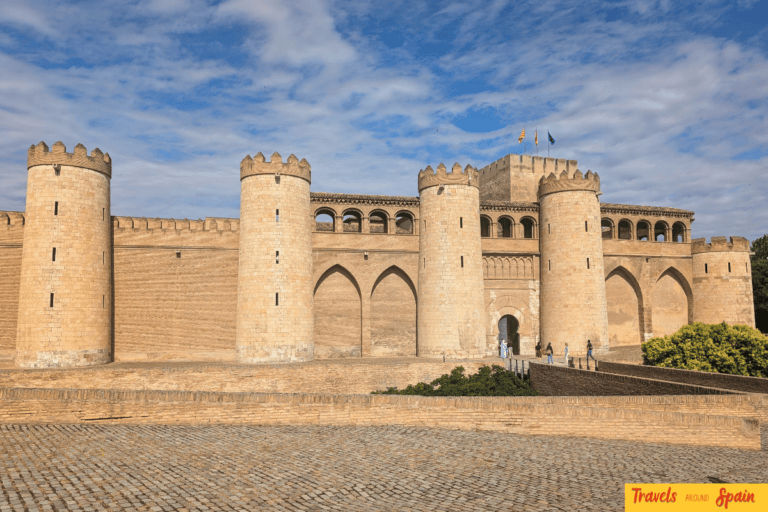
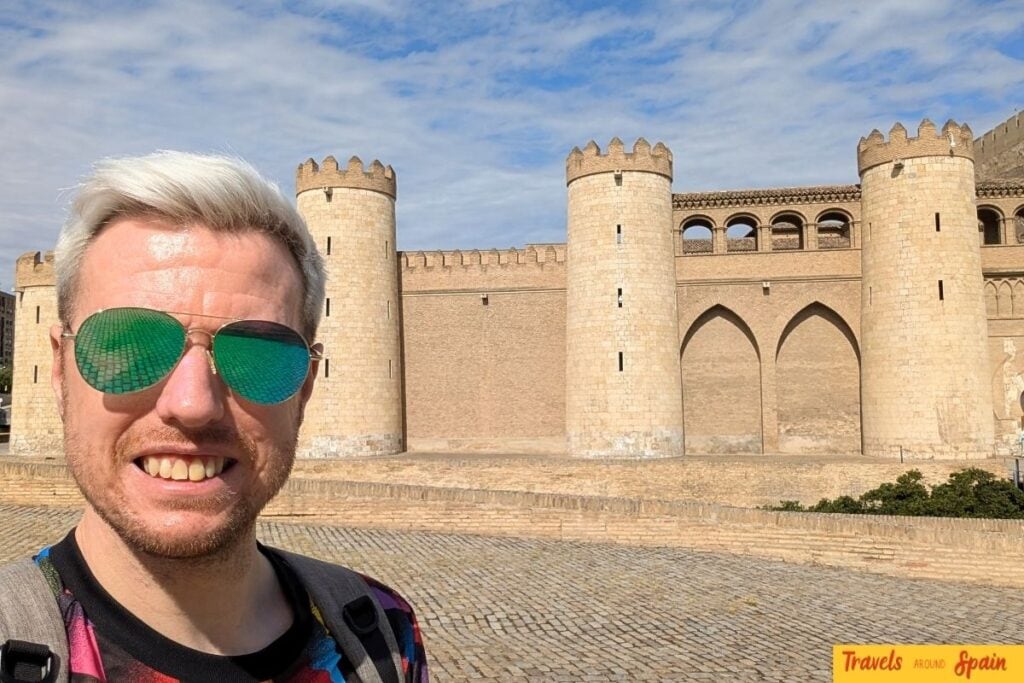
Start your day at the Aljafería Palace, one of Zaragoza’s most important historical sites. This 11th-century Moorish palace offers a completely different perspective on the city compared to the grand churches of the previous day.
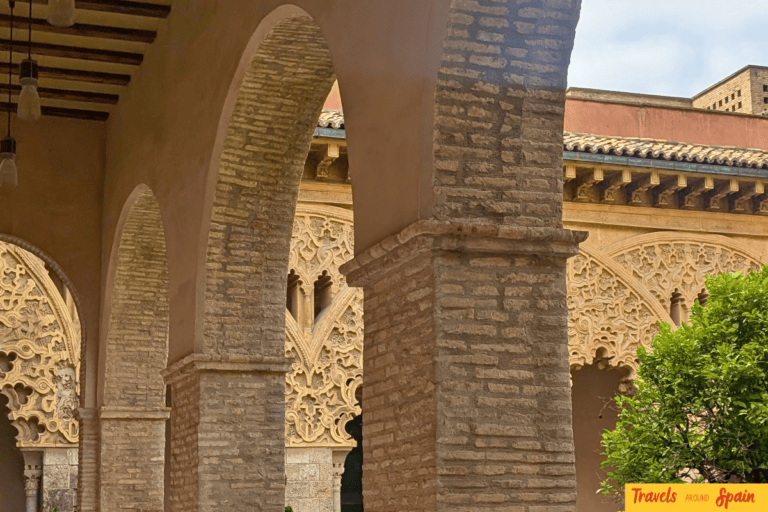
The Aljafería Palace really surprised me. It was stunning and a fantastic example of Moorish architecture, with intricate details, arches, and courtyards that reflect Zaragoza’s Islamic past. In many ways, it reminded me of the Alhambra, although on a smaller scale and without the same crowds.
It’s a quieter experience than the Basílica del Pilar, but just as interesting in its own way. If you’re interested in Spain’s layered history, this is one of the most important places to visit in the city.
Explore El Tubo (tapas area)
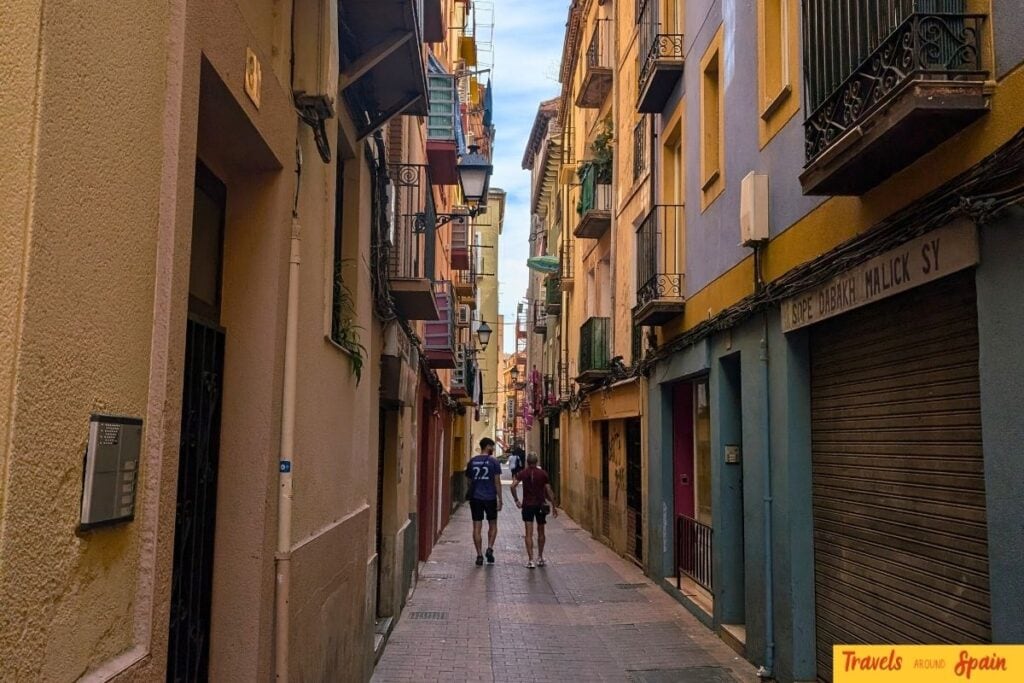
After a morning of sightseeing, head back towards the old town and spend some time exploring El Tubo. This is Zaragoza’s main tapas area and one of the best places to experience the local food scene.
The streets here are narrow and lively, filled with small bars and restaurants. It’s the kind of place where you can stop for a drink, try a few dishes, and then move on to the next spot. The atmosphere is relaxed and local, without feeling overly geared towards tourists.
Try local dishes (ternasco, steak)
Zaragoza is a great place to try traditional Aragonese food, and this is something I’d really recommend prioritising during your visit.
Ternasco, a local lamb dish, is one of the most famous specialities and definitely worth trying. I had it at Restaurant El Fuelle as part of a menú del día, and it was one of the standout meals of my trip. The food was delicious, great value, and served in a really authentic stone building that added to the whole experience.
For dinner, I went to Asador Pasiego and had a steak that was genuinely incredible. The quality of the meat was excellent, and the service really stood out as well, which made the whole experience even better.
I also ate at Flor de Lis, which has a reputation as one of Zaragoza’s top dining spots and is known to be a favourite for high-profile visitors. It felt like a step up in terms of atmosphere and gave a different perspective on the city’s food scene.
Overall, the food in Zaragoza felt hearty, authentic, and far removed from the more tourist-focused menus you sometimes find in larger cities. Taking the time to enjoy a proper meal here is part of the experience, and it’s not somewhere you want to rush.

Hidden gems and quieter spots
In the afternoon, leave some space in your itinerary to explore without a strict plan. Zaragoza is a city that rewards wandering, especially once you move slightly away from the main squares.
You’ll find quieter streets, small local shops, and pockets of the city that feel completely untouched by tourism. These moments often end up being just as memorable as the main attractions.
This slower pace is part of what makes Zaragoza stand out. It’s not about constantly moving from one landmark to the next, but about enjoying the city as a whole.
Where to Eat in Zaragoza
Zaragoza is one of the most underrated food cities in Spain. While it doesn’t have the same reputation as places like San Sebastián or Barcelona, the quality of food here is excellent, and it often feels more authentic and less tourist-focused.
Must-Try Local Dishes
If you’re visiting Zaragoza, food should be a key part of your experience. The region of Aragón is known for hearty, traditional dishes, with a strong focus on high-quality meat.
Ternasco is the standout local speciality. This Aragonese lamb is protected by designation and is known for being particularly tender and flavourful. It’s one of the most traditional dishes you can try in the city.
Zaragoza is also a great place for steak and grilled meats more broadly. The approach is simple but done very well, with a focus on quality ingredients rather than overly complex preparation.

Best Areas to Eat
If you’re not sure where to start, head to El Tubo. This is Zaragoza’s main tapas area and one of the liveliest parts of the city, especially in the evening.
It’s made up of narrow streets filled with small bars and restaurants, and the best way to experience it is by moving from place to place. Stop for a drink, try a dish or two, then continue on. It’s relaxed, social, and a great way to get a feel for the local food culture.
Restaurant Recommendations
If you’re looking for specific places, there are a few that stood out during my visit.
Restaurant El Fuelle is a great option for trying ternasco in a traditional setting, particularly if you want to experience a menú del día.
Asador Pasiego is a strong choice for a more focused dinner, especially if you’re looking for high-quality steak.
Flor de Lis offers a more refined dining experience and is often considered one of the top restaurants in the city.
Where to Stay in Zaragoza
Zaragoza has a good range of accommodation options, and compared to cities like Madrid or Barcelona, it’s generally very good value. Most visitors will want to stay close to the historic centre, as this puts you within walking distance of the main sights.
Best Areas to Stay
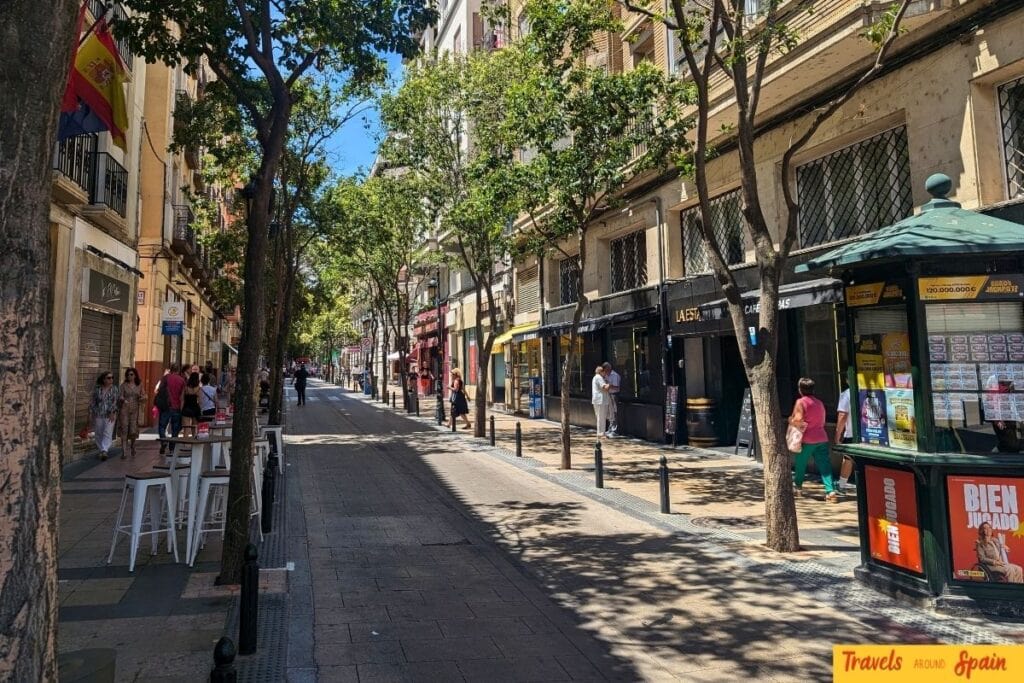
The best area to base yourself is around the old town, particularly near Plaza del Pilar. This is where most of the main attractions are located, and it’s easy to walk everywhere from here.
Staying centrally also means you’ll be close to El Tubo, which is ideal in the evenings if you want to explore the food scene without needing transport.
Hotel Recommendations
Budget Option
I stayed at Botanic Hostel during my visit, and it was a great choice. It’s a small, modern hostel with a clean and comfortable feel, and the location makes it really easy to explore Zaragoza on foot.
It works particularly well if you’re travelling solo or looking to keep costs down without compromising on location. The rooms are simple but well-kept, and it’s a relaxed base for a short stay in the city.
Mid-Range Option
Hotel Catalonia El Pilar is a great mid-range option if you want a bit more comfort while still staying central. The building itself has a lot of character, with traditional architectural features that give it a more local feel compared to standard chain hotels.
Rooms are spacious and well-equipped, and the location is excellent. You’re just a short walk from the Basílica del Pilar and right in the heart of the old town, which makes it ideal for a 2-day itinerary.
Luxury Option
For a more upscale stay, NH Collection Gran Hotel de Zaragoza is one of the best luxury options in the city. It’s a historic hotel with elegant interiors, high ceilings, and a more refined atmosphere throughout.
The rooms are more spacious and polished, and the service is a noticeable step up. While it’s slightly outside the immediate old town, it’s still within walking distance of the main sights, so you get a quieter setting without sacrificing convenience.
How to Get to Zaragoza
Zaragoza is very well connected and easy to reach, especially if you’re travelling between Madrid and Barcelona. Its location makes it one of the most convenient stops in Spain, whether you’re planning a dedicated visit or adding it to a wider itinerary.
From Madrid
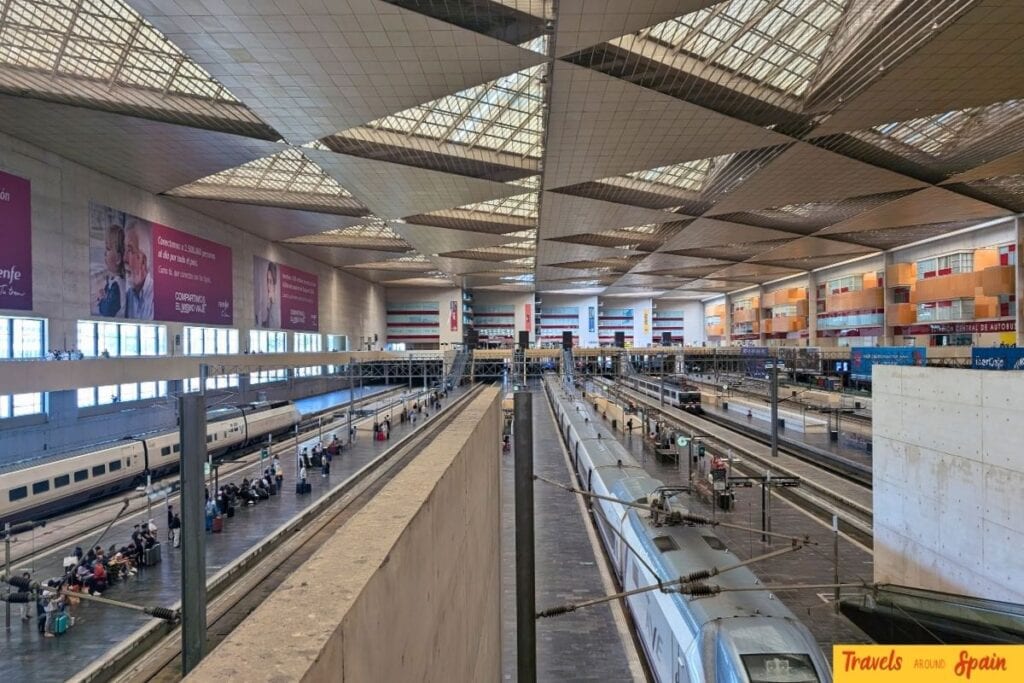
The easiest way to get from Madrid to Zaragoza is by high-speed train. The AVE train takes around 1 hour and 15 minutes, making it a quick and comfortable journey. If you’re planning your trip, you might also want to check out my guide on spending 2 days in Madrid to make the most of your time in the capital before heading here.
Trains run frequently throughout the day, and you’ll arrive at Zaragoza-Delicias station, which is well connected to the city centre by taxi or local transport. If you’re short on time, this is by far the best option.
Driving is also possible and takes around 3 hours, but for most travellers, the train is more convenient.
From Barcelona
Zaragoza is also very easy to reach from Barcelona. The high-speed train takes around 1 hour and 30 minutes, making it an ideal stop if you’re travelling across northern Spain.
Like the Madrid route, trains run regularly, and the journey is straightforward. This makes Zaragoza a great option if you’re looking to break up the trip between Spain’s two biggest cities. If you’re continuing your journey, it’s worth planning ahead by reading my guide on how many days in Barcelona so you can structure the rest of your trip properly.
Driving from Barcelona takes roughly 3 hours, but again, the train is usually the more practical choice.
As a Stop Between Cities
One of the best ways to visit Zaragoza is as part of a route between Madrid and Barcelona.
Instead of travelling directly between the two, stopping in Zaragoza for a night or two adds something completely different to your trip. It gives you the chance to experience a city that feels more local and less crowded, while still being incredibly easy to reach.
This is exactly how I incorporated it into my wider trip through northern Spain, and it worked really well as a natural stop before continuing to Barcelona.
Best Time to Visit Zaragoza
Zaragoza can be visited year-round, but the experience can vary quite a bit depending on the time of year.
Spring and autumn are generally the best times to visit. The weather is warm but comfortable, making it ideal for walking around the city and exploring the main sights without the intensity of peak summer heat.
I visited in late June, and it was noticeably hot. Temperatures can climb quite high during this time, especially in the middle of the day, which can make sightseeing a bit more tiring. If you do visit in summer, it’s best to plan your days around the heat by starting early, taking a break in the afternoon, and heading back out in the evening.
That said, summer still has its advantages. The city feels lively, and the long daylight hours give you plenty of time to explore at a more relaxed pace.
Winter is a quieter time to visit, with cooler temperatures and fewer crowds. While it’s not as lively as the summer months, it can be a good option if you prefer a more low-key experience.

Photo by Travels Around Spain.
Tips for Visiting Zaragoza
Zaragoza is a very easy city to visit, but there are a few things that can make your trip smoother and more enjoyable.
One of the main things to be aware of is the heat, especially if you’re visiting in summer. Temperatures can get quite high, so it’s worth planning your days around it. Start early, take a break in the afternoon, and then head back out in the evening when things cool down a bit.
The city is very walkable, particularly around the historic centre, so you won’t need to rely much on public transport. Most of the main sights are close together, which makes it easy to explore at a relaxed pace.
It’s also worth embracing the local rhythm. Meal times tend to be later than in many other countries, especially dinner, which often doesn’t start until 9pm or later. This works well with the heat, as the city becomes much livelier in the evening.
If you’re planning to visit popular attractions like the Basílica del Pilar tower or the Aljafería Palace, it’s a good idea to go earlier in the day. Not only will it be quieter, but you’ll also avoid the worst of the heat during summer months.
Finally, don’t overplan your time here. Zaragoza is a city that rewards slowing down. Some of the best moments come from wandering through the old town, stopping for food, and taking in the atmosphere rather than rushing between sights.
FAQ About Visiting Zaragoza
Is Zaragoza worth visiting?
Yes, Zaragoza is definitely worth visiting, especially if you’re looking to explore a less touristy side of Spain. It offers impressive landmarks like the Basílica del Pilar, a strong food scene, and a more authentic atmosphere compared to some of the country’s bigger cities.
Is 2 days enough in Zaragoza?
Two days is the ideal amount of time for a first visit. It gives you enough time to see the main sights, explore the historic centre, and enjoy the local food without feeling rushed.
What is Zaragoza famous for?
Zaragoza is best known for the Basílica del Pilar, one of the most important religious sites in Spain. It’s also known for its Moorish history, particularly the Aljafería Palace, and for traditional Aragonese food such as ternasco.
How do you get to Zaragoza from Madrid or Barcelona?
The easiest way to reach Zaragoza is by high-speed train. From Madrid, the journey takes around 1 hour and 15 minutes, and from Barcelona, it takes about 1 hour and 30 minutes. Trains run frequently and are the most convenient option.
What food should you try in Zaragoza?
Ternasco, a local lamb dish, is the most famous speciality and well worth trying. Zaragoza is also known for its high-quality meat, including excellent steak, as well as its tapas culture in areas like El Tubo.
When is the best time to visit Zaragoza?
Spring and autumn are the best times to visit, as the weather is warm but comfortable. Summer can be very hot, especially in June and July, so it’s best to plan your days around the heat if visiting during this time.
Final Thoughts on 2 Days in Zaragoza
Zaragoza is one of those cities that quietly exceeds expectations.
It might not have the same global reputation as Madrid or Barcelona, but that’s part of its appeal. It feels more relaxed, more local, and less focused on tourism, which makes the experience feel more genuine.
For me, it was one of the biggest surprises of my trip through northern Spain. From the scale of the Basílica del Pilar to the quality of the food, it’s a city that offers far more than most people expect.
If you’re travelling between Madrid and Barcelona, it’s an easy and worthwhile stop. And even if you’re not, it’s a destination that deserves a place on your itinerary.