2 Days in Madrid: Perfect Itinerary & Guide 2026
Want to maximize your Madrid adventure in just 48 hours?
By Liam Mulligan | Published on September 15, 2023 | Last Updated on May 25, 2026
Travels Around Spain contains affiliate links. This means I may earn a commission if you make a purchase or booking through these links, at no extra cost to you. As an Amazon Associate I earn from qualifying purchases. I only recommend products and services I use and trust. Read my full Affiliate Disclosure for more information.
Planning to spend 2 days in Madrid and wondering how to fit everything into just 48 hours?
After visiting Madrid three times, including a trip during Madrid Pride, I’ve explored the city’s world-famous museums, historic neighbourhoods, bustling food markets, and royal landmarks. Whilst two days isn’t enough to see everything Spain’s capital has to offer, it’s more than enough time to experience the highlights and get a real feel for the city.
This 2-day Madrid itinerary combines my own experiences with practical planning advice to help you make the most of your time. You’ll discover exactly what to see, where to eat, where to stay, and how to navigate the city efficiently without feeling rushed.
Whether you’re hoping to admire masterpieces at the Prado Museum, wander through Retiro Park, sample traditional churros at San Ginés, or explore neighbourhoods like Malasaña and Chueca, this itinerary covers the essential Madrid experiences for first-time visitors.
Let’s dive into the perfect 2 days in Madrid.
2 Days in Madrid at a Glance
Day 1: Plaza Mayor, Puerta del Sol, San Ginés, Royal Palace, Mercado de San Miguel, Malasaña
Day 2: Prado or Reina Sofía, Retiro Park, Crystal Palace, Gran Vía, Plaza Santa Ana
Best for: First-time visitors
Walking: Moderate
Where to stay: Sol, Chueca, or Malasaña
Recommended trip length: 2–4 days
PLAN YOUR TRIP TO Madrid
Trusted resources for planning your Madrid trip.
Royal Palace of Madrid Tickets – Book tickets for one of Madrid’s most famous landmarks.
Madrid Tours & Experiences – Discover guided tours, Toledo day trips, and local experiences.
Toledo Day Trips – Explore Spain’s most fascinating medieval city, just 30 minutes from Madrid.
Hotels in Madrid – Find boutique hotels and stays across Madrid’s best neighbourhoods.
PLAN YOUR TRIP TO Madrid
Trusted resources for planning your Madrid trip.
Royal Palace of Madrid Tickets – Book tickets for one of Madrid’s most famous landmarks.
Madrid Tours & Experiences – Discover guided tours, Toledo day trips, and local experiences.
Toledo Day Trips – Explore Spain’s most fascinating medieval city, just 30 minutes from Madrid.
Hotels in Madrid – Find boutique hotels and stays across Madrid’s best neighbourhoods.
Why Madrid is Perfect for a 2-Day Trip
Madrid is one of the easiest European capitals to explore in a short amount of time. Having visited three times, I’ve always found that many of the city’s biggest attractions are surprisingly close together, making it possible to see a lot without spending hours travelling between sights.
In just two days, you can visit landmarks such as the Royal Palace, Plaza Mayor, Retiro Park, and either the Prado Museum or Reina Sofía, whilst still leaving time to enjoy Madrid’s famous food scene and neighbourhood culture.
One of the things I love most about Madrid is how different areas of the city each have their own personality. You can spend the morning exploring historic streets around Sol and Plaza Mayor, enjoy lunch in a traditional market, then finish the evening in lively districts such as Malasaña or Chueca.
Madrid is also an excellent introduction to Spanish culture for first-time visitors. From churros con chocolate and late-night tapas to world-class art and grand architecture, the city showcases many of the experiences that make Spain such a popular destination.
If you only have 48 hours in Spain’s capital, Madrid gives you the chance to experience history, culture, food, and local life without feeling rushed, making it one of the best city breaks in Europe.
Best Time to Visit Madrid
Madrid is a year-round destination, but for most travellers, spring (March to May) and autumn (September to November) offer the best balance of pleasant weather, manageable crowds, and outdoor sightseeing conditions.
Temperatures typically range from 15°C to 25°C during these months, making it comfortable to explore attractions such as Retiro Park, Plaza Mayor, and Gran Vía on foot.
Of all the months I’ve visited Madrid, my favourite time is late spring or early autumn. The city feels lively without being overwhelming, and the café terraces are full of locals enjoying the sunshine.
Summer (June to August) can be extremely hot. During my visit for Madrid Pride in July 2024, temperatures regularly climbed above 35°C. If you’re visiting during summer, plan indoor attractions such as the Prado Museum or Reina Sofía during the afternoon and save outdoor sightseeing for the morning or evening.
Winter (December to February) is often overlooked but can be an excellent choice. Hotel prices are usually lower, queues are shorter, and Madrid enjoys plenty of sunshine even during the colder months. December is particularly festive thanks to the Christmas markets and seasonal lights across the city.
If possible, avoid the first two weeks of August when many local businesses close for summer holidays. Whilst major attractions remain open, parts of the city can feel quieter than usual.
For the ideal 2-day Madrid itinerary, I recommend visiting in April, May, September, or October, when you’ll enjoy excellent weather and experience the city at its best.
2 Days in Madrid: Complete Itinerary
This 2-day Madrid itinerary is designed for first-time visitors who want to experience the city’s highlights without feeling rushed. It combines Madrid’s most famous landmarks with local neighbourhoods, excellent food, and some of the best cultural attractions in Spain.
Over two days, you’ll explore the historic city centre, visit the Royal Palace, discover world-class museums, relax in Retiro Park, and experience Madrid’s vibrant food and nightlife scene.
What this itinerary includes:
Day 1: Plaza Mayor, Puerta del Sol, San Ginés, Royal Palace, Mercado de San Miguel, and an evening in Malasaña
Day 2: Prado Museum or Reina Sofía, Retiro Park, Gran Vía, Plaza Santa Ana, and some of Madrid’s most interesting neighbourhoods
Estimated budget: €60–80 per person per day
Getting around: Primarily on foot, with occasional Metro journeys
Ideal for: First-time visitors to Madrid
Let’s get started with day one.
Day 1 in Madrid: Historic Centre & Royal Landmarks
Your first day in Madrid focuses on the city’s historic heart, combining famous landmarks, traditional food, and some of the capital’s most vibrant neighbourhoods. This route is ideal for first-time visitors and covers many of Madrid’s must-see attractions whilst still allowing time to soak up the city’s atmosphere.
Day 1 at a Glance
Morning: Puerta del Sol, Plaza Mayor, San Ginés
Afternoon: Royal Palace and Mercado de San Miguel
Optional: Santiago Bernabéu Stadium Tour
Evening: Malasaña and Chueca
Walking distance: Approximately 8km
Estimated budget: €40-60 per person
Best starting time: 9:00 AM
Morning: Puerta del Sol & Plaza Mayor (9:00 AM – 12:00 PM)
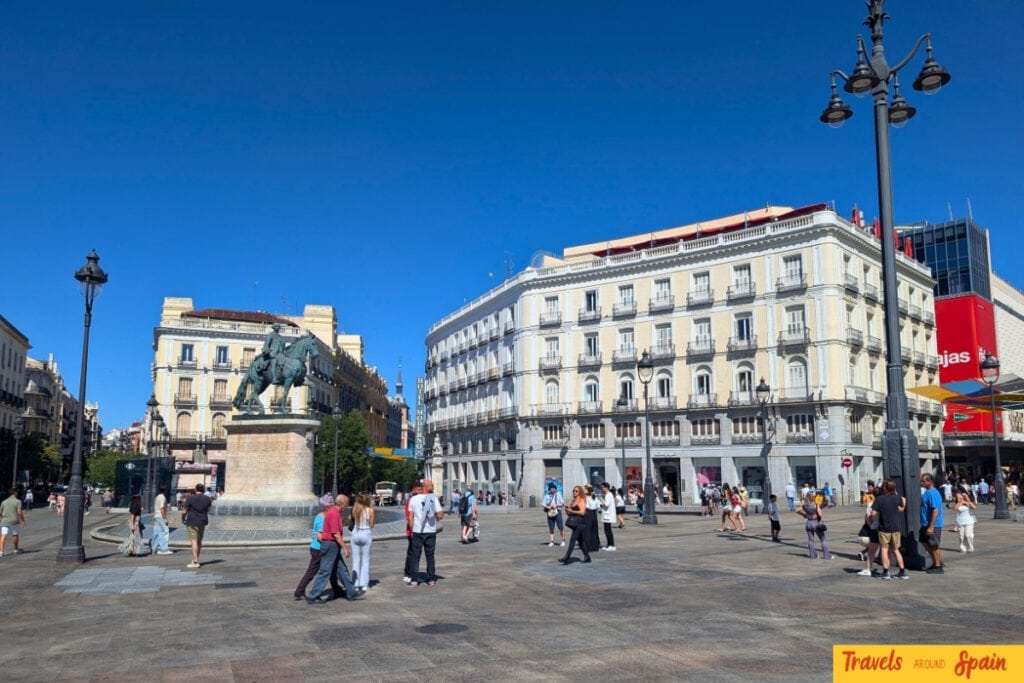
Start your Madrid adventure at Puerta del Sol, the symbolic centre of both Madrid and Spain. This bustling square is home to the famous Kilometre Zero marker, the point from which Spain’s national road network is measured.
Whilst you’re here, take a look at the Bear and Strawberry Tree statue (El Oso y el Madroño), Madrid’s official symbol, and admire the historic Casa de Correos building with its famous clock tower.
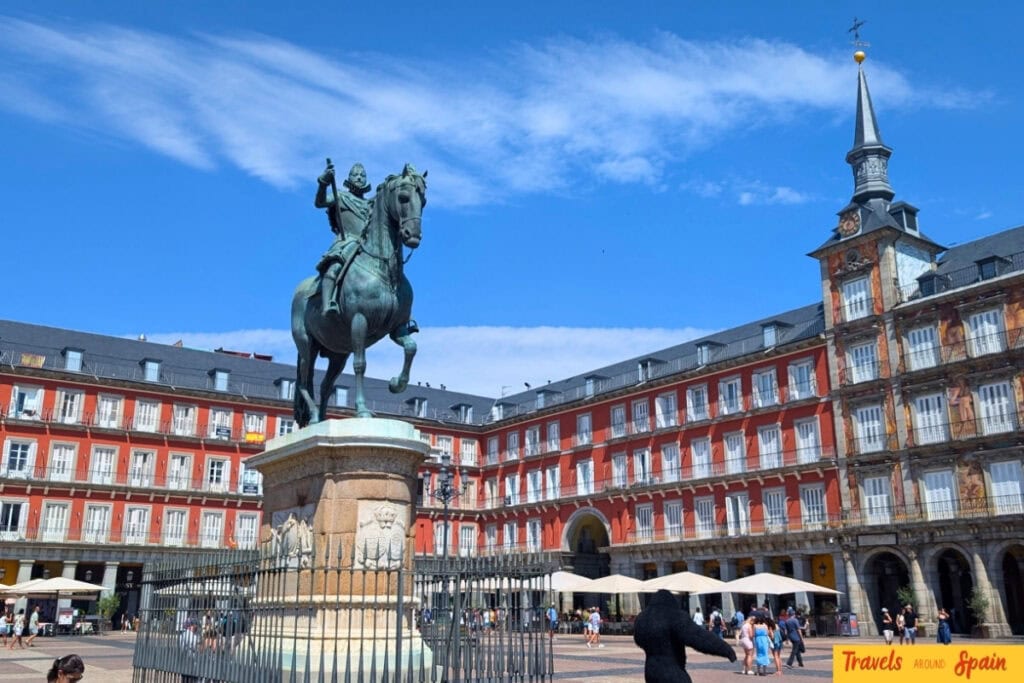
From Puerta del Sol, it’s just a short walk to Plaza Mayor, one of the most beautiful squares in Spain. Surrounded by elegant red buildings and lined with cafés and restaurants, it’s the perfect place to pause and watch Madrid come to life.
Pro-Tip – Arrive before 10:00 AM if you want photos without the crowds.
Late Morning: Churros at San Ginés (11:00 AM)
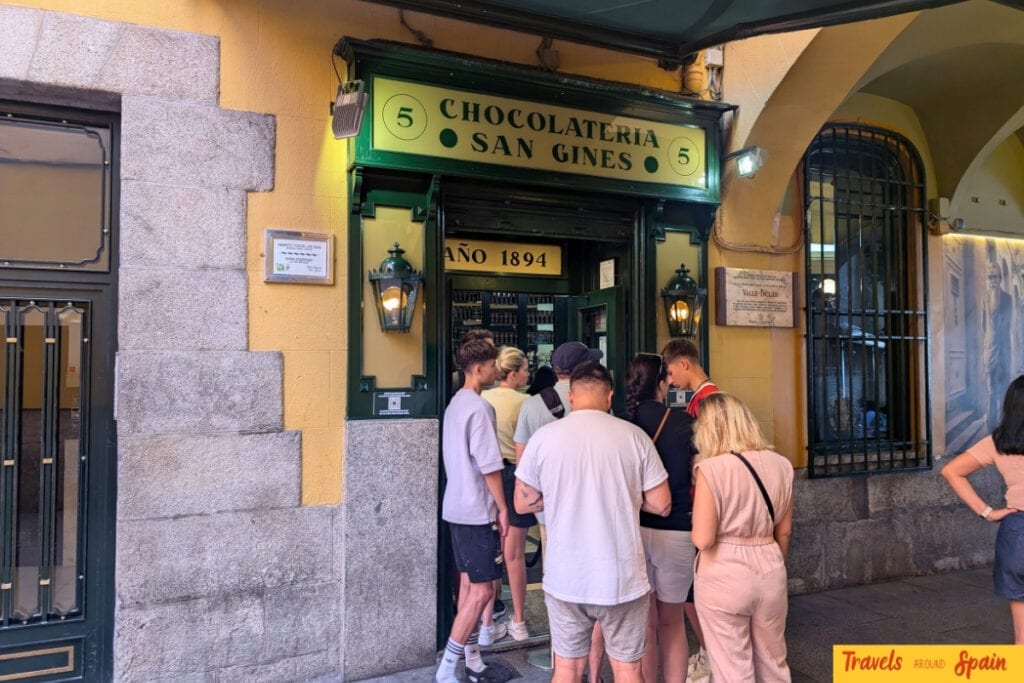
No first visit to Madrid is complete without trying churros con chocolate, and there’s nowhere more famous than Chocolatería San Ginés.
Open since 1894, this Madrid institution has been serving locals and visitors for well over a century. Order the classic churros with thick hot chocolate and enjoy one of Spain’s most iconic food experiences.
I’ve eaten here myself and whilst there are other excellent churro spots in the city, San Ginés remains a rite of passage for first-time visitors.
If you’re interested in discovering more local favourites, check out my guide to the best churros in Madrid.
Midday: Royal Palace of Madrid (12:00 PM – 2:30 PM)
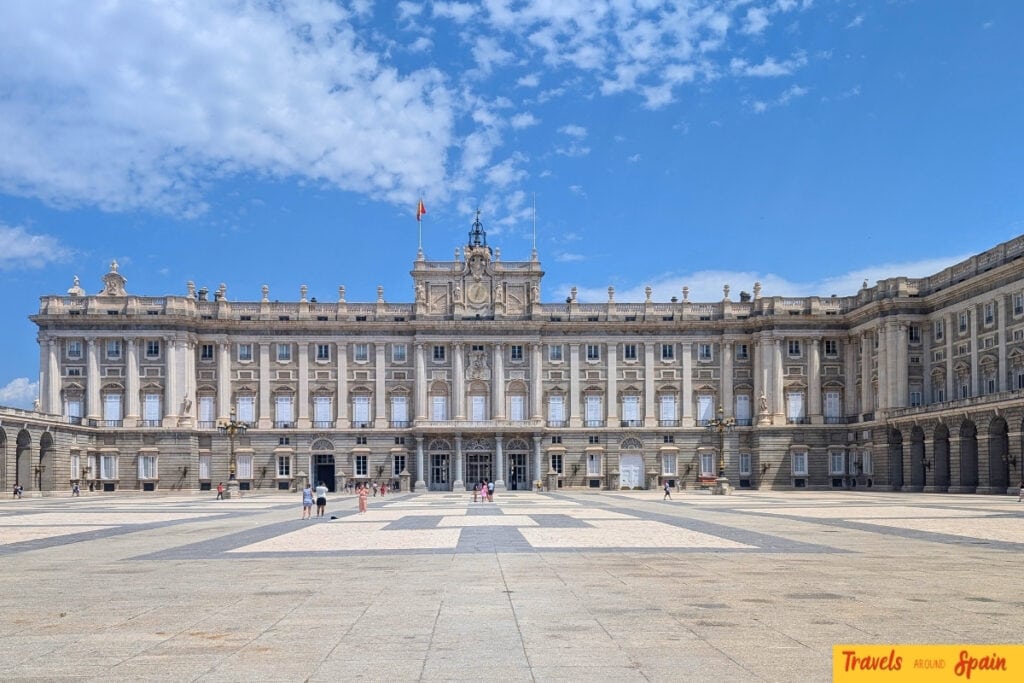
Next, walk to the magnificent Royal Palace of Madrid, one of the city’s most impressive attractions.
With more than 3,000 rooms, it is the largest royal palace in Europe and remains the official residence of the Spanish Royal Family, although they no longer live here.
Inside you’ll find lavish state rooms, grand staircases, priceless artworks, and one of Europe’s finest royal armouries. Even if you’re not normally interested in royal history, the scale and opulence are genuinely impressive.
I recommend allowing at least 90 minutes for your visit.
Pro-Tip – Book tickets online in advance to avoid lengthy queues, particularly during spring and autumn.
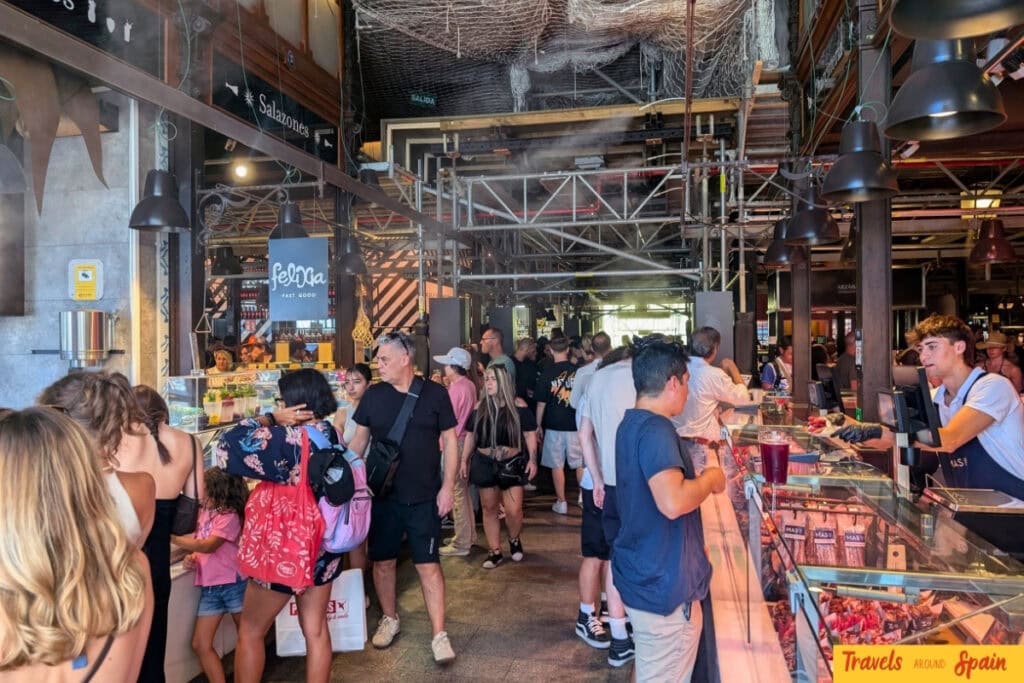
Lunch & Early Afternoon: Mercado de San Miguel (2:30 PM – 4:00 PM)
After a busy morning of sightseeing, head to Mercado de San Miguel for lunch.
This historic food market is one of Madrid’s most popular culinary destinations and offers a fantastic introduction to Spanish cuisine. You’ll find everything from jamón ibérico and croquetas to fresh seafood, local cheeses, and Spanish wines.
Rather than committing to one restaurant, you can sample several dishes from different stalls and create your own tapas feast.
Try to arrive after the main lunch rush if possible, as it can become extremely busy.
Optional: Santiago Bernabéu Stadium Tour (4:00 PM – 6:00 PM)
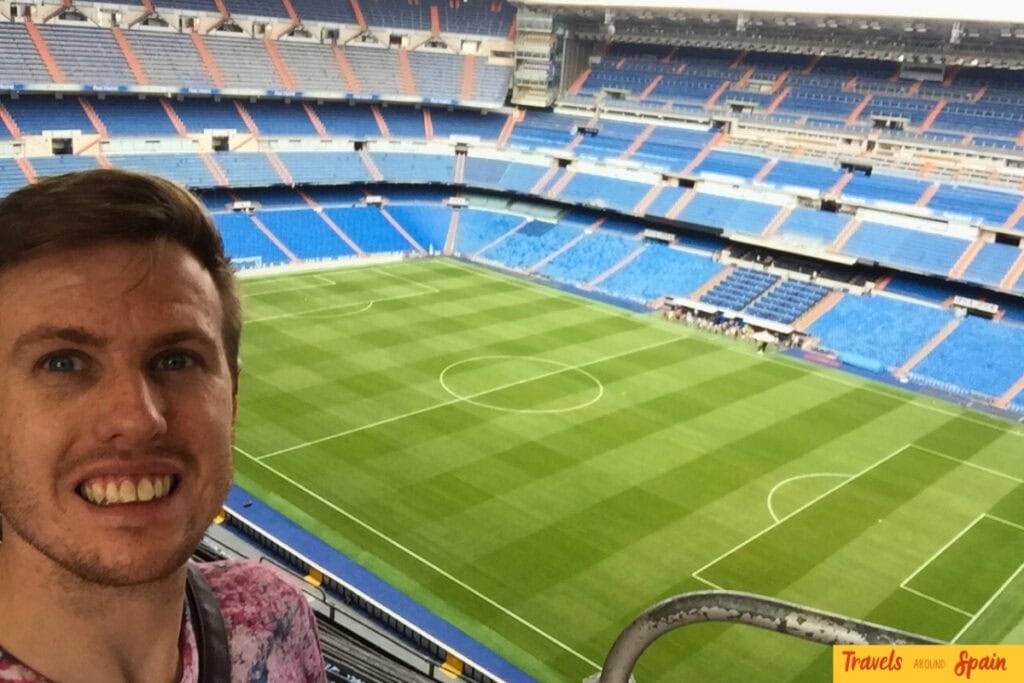
Football fans should consider adding a visit to the Santiago Bernabéu, home of Real Madrid.
I visited before the major renovation and the transformation since then has been remarkable. The stadium now features a retractable roof, a spectacular 360-degree screen, and one of the most impressive football museums in Europe.
If football isn’t your thing, skip this stop and spend more time exploring Madrid’s neighbourhoods instead.
Evening: Malasaña & Chueca (6:00 PM onwards)
Finish your first day exploring two of Madrid’s most vibrant neighbourhoods.
Malasaña is known for its independent shops, creative atmosphere, and excellent food scene. It’s one of my favourite areas of Madrid and feels very different from the more touristy parts of the city.
For dinner, I recommend Mercado de San Ildefonso. One of my favourite spots inside is Raymi, a Peruvian restaurant that serves some of the best Peruvian food I’ve had outside South America.
After dinner, take a stroll through neighbouring Chueca, Madrid’s lively LGBTQ+ district. Packed with bars, cafés, and restaurants, it’s one of the most welcoming and energetic areas of the city.
Don’t be surprised if locals are only just sitting down to dinner at 9:30 PM or 10:00 PM. You’re in Spain now.
Your first day in Madrid ends with a fantastic introduction to the city’s history, food, culture, and nightlife.
2 Days In Madrid: Day One Map
Day 2 in Madrid: Art, Parks & Local Neighbourhoods
Your second day in Madrid combines some of the city’s most famous cultural attractions with its beautiful green spaces and lively neighbourhoods. After exploring Madrid’s historic centre on day one, today is all about experiencing the artistic and local side of the Spanish capital.
Day 2 at a Glance
Morning: Prado Museum or Reina Sofía
Lunch: Traditional Madrid cuisine
Afternoon: Retiro Park and Crystal Palace
Evening: Gran Vía and Plaza Santa Ana
Walking distance: Approximately 6km
Estimated budget: €50-70 per person
Morning: Prado Museum or Reina Sofía (10:00 AM – 1:00 PM)
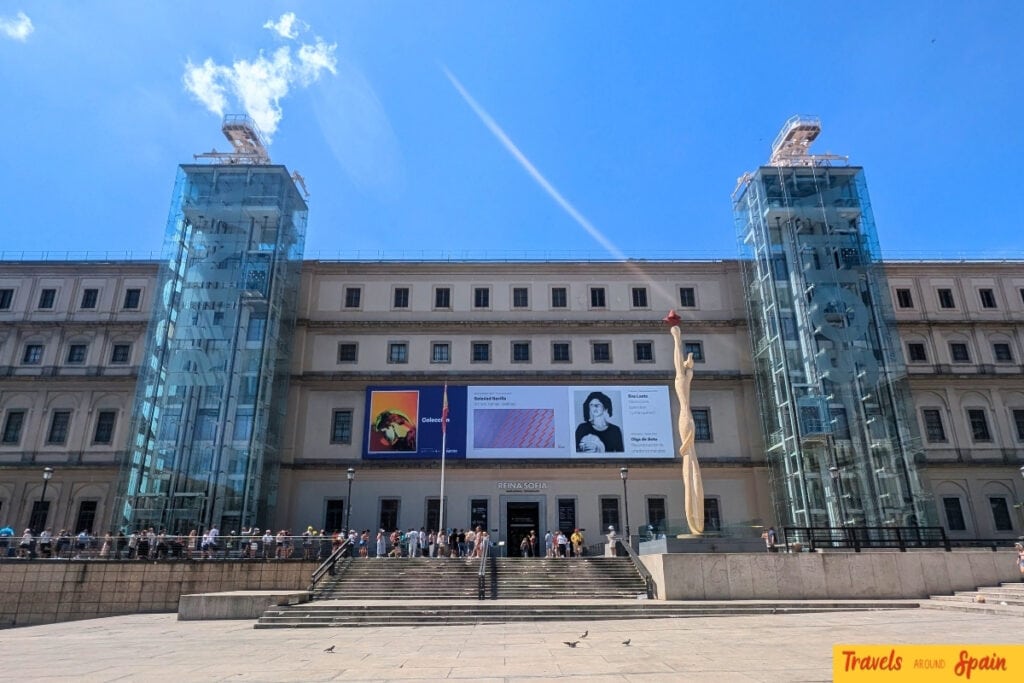
Madrid is home to some of Europe’s finest art collections, and if you only have two days in the city, I recommend choosing either the Prado Museum or the Reina Sofía rather than trying to squeeze both into your itinerary.
The Prado Museum is perfect if you enjoy classical art. Inside you’ll find masterpieces by Velázquez, Goya, and El Greco, including the famous Las Meninas, often considered one of the greatest paintings ever created.
The Reina Sofía focuses on modern and contemporary art and is home to Picasso’s Guernica, one of the most powerful anti-war paintings in history.
When I finally saw Guernica in person after wanting to for years, it completely exceeded my expectations. The scale and emotion of the painting are difficult to appreciate until you’re standing directly in front of it.
My recommendation: Choose the Prado if you’re new to art museums. Choose the Reina Sofía if you’re particularly interested in modern art and Picasso.
Lunch: Traditional Madrid Cuisine (1:00 PM – 2:30 PM)
After a morning of culture, it’s time to enjoy one of Madrid’s great strengths: its food.
For a memorable lunch, head to Restaurante Botín, recognised as the world’s oldest restaurant. Their famous cochinillo asado (roast suckling pig) is one of Madrid’s most iconic dishes and well worth trying if you’re looking for a traditional Spanish dining experience.
If you’d prefer something more casual, Madrid’s excellent menú del día offers fantastic value and is one of the best ways to eat like a local.
Afternoon: Retiro Park & Crystal Palace (2:30 PM – 5:00 PM)
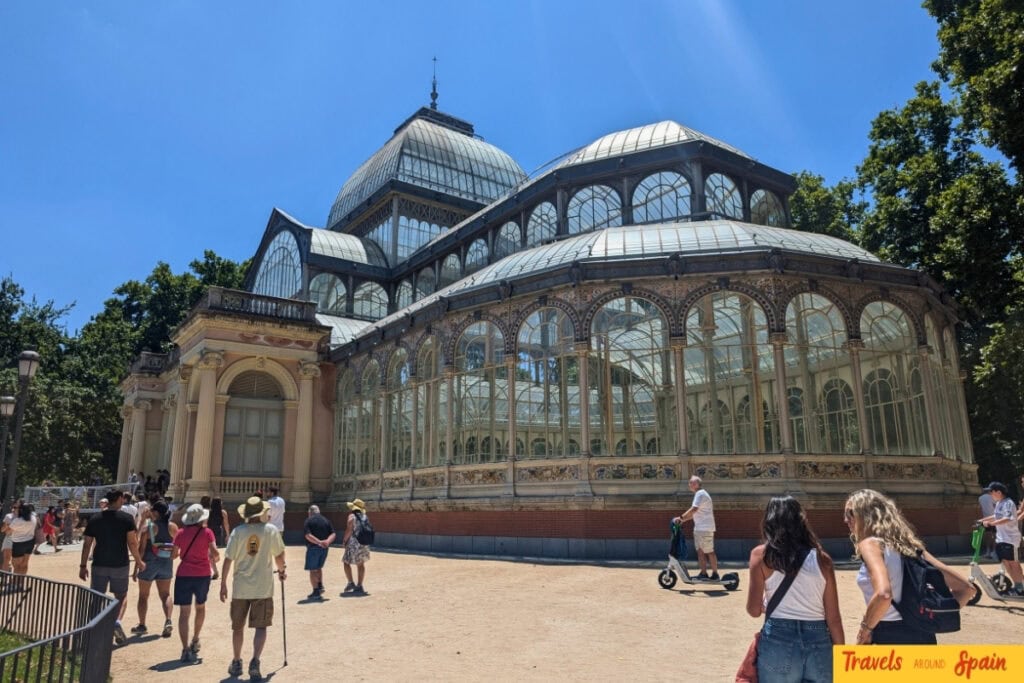
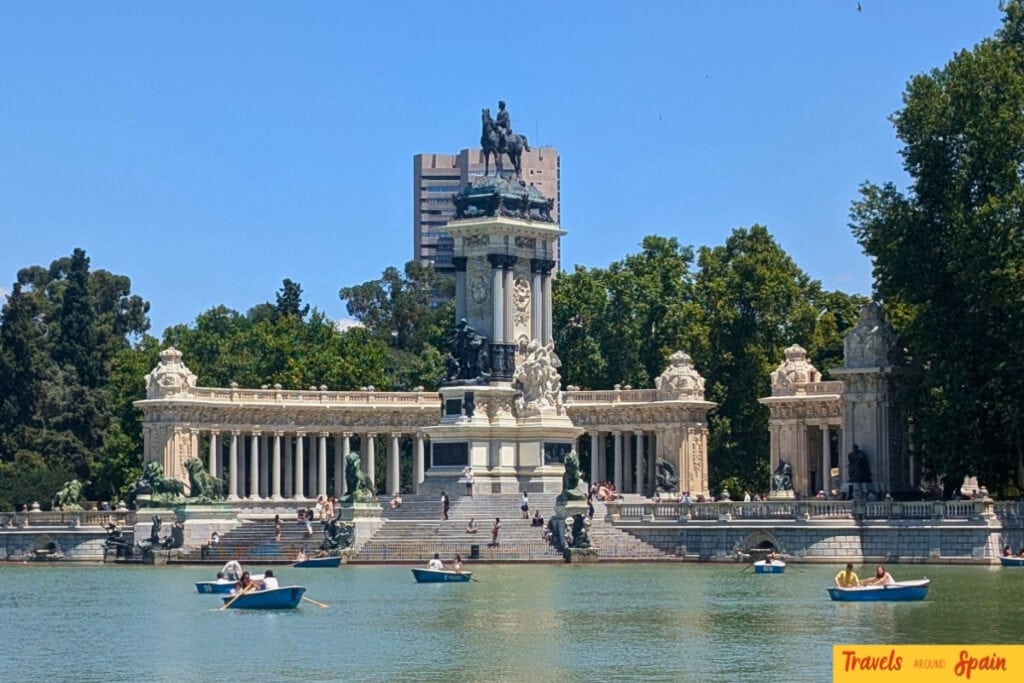
After lunch, make your way to Retiro Park, one of Madrid’s most beautiful green spaces and one of my favourite places in the city.
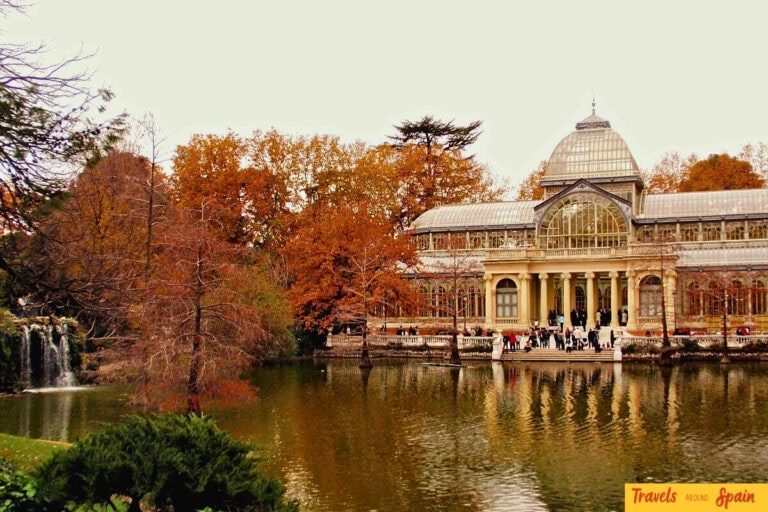
The highlight for many visitors is the stunning Crystal Palace (Palacio de Cristal), an elegant glass structure surrounded by water and trees. It’s one of Madrid’s most photographed landmarks and a fantastic place to slow down after a busy morning.
Whilst exploring the park, keep an eye out for the famous Fallen Angel statue, one of the few public monuments in the world dedicated to Lucifer.
If the weather is good, consider renting a rowing boat on the park’s lake or simply enjoy a leisurely stroll beneath the tree-lined avenues.
Early Evening: Gran Vía (5:00 PM – 7:00 PM)
As the afternoon draws to a close, head towards Gran Vía, Madrid’s most famous boulevard.
Often compared to Broadway, this lively avenue is lined with historic buildings, theatres, rooftop bars, shops, and cafés. Even if you’re not interested in shopping, it’s worth walking the length of Gran Vía simply to admire the architecture and atmosphere.
If you’re looking for great city views, stop at one of the rooftop bars overlooking Madrid’s skyline.
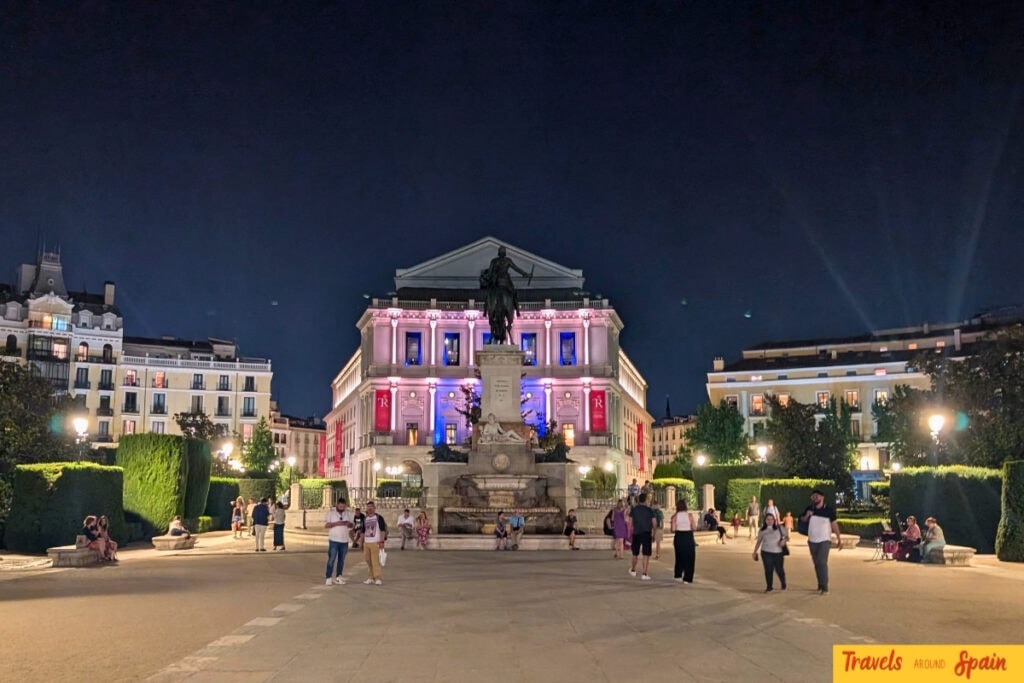
Evening: Plaza Santa Ana & Madrid Nightlife (7:00 PM onwards)
Finish your 48 hours in Madrid around Plaza Santa Ana, one of the city’s most attractive evening destinations.
The square is surrounded by restaurants, tapas bars, and outdoor terraces, making it the perfect place for a final Spanish dinner.
Afterwards, you can enjoy a relaxed drink, catch a flamenco performance, or return to Malasaña or Chueca for one last taste of Madrid’s nightlife.
After two days exploring royal landmarks, world-class museums, historic neighbourhoods, and local food, you’ll have experienced many of the highlights that make Madrid one of Europe’s most rewarding city-break destinations.
2 Days In Madrid: Day Two Map
Where to Stay in Madrid
Choosing the right area can make a huge difference when you only have 2 days in Madrid. For a short trip, I recommend staying as centrally as possible so you can spend more time sightseeing and less time travelling across the city.
Best Areas for First-Time Visitors
Sol & Gran Vía
If it’s your first time in Madrid, Sol and Gran Vía are hard to beat. You’ll be within walking distance of attractions such as Puerta del Sol, Plaza Mayor, the Royal Palace, and many of the stops included in this itinerary.
The area is busy and touristy, but the convenience is unmatched when you’re only visiting for 48 hours.
Huertas & Plaza Santa Ana
For a slightly more local feel, consider staying around Huertas or Plaza Santa Ana. This historic district is packed with tapas bars, traditional restaurants, and beautiful streets whilst still being close to Madrid’s main attractions.
It’s one of my favourite areas for an evening stroll and makes an excellent base for first-time visitors.
Chueca
Chueca is one of Madrid’s most vibrant neighbourhoods, known for its excellent restaurants, nightlife, and welcoming atmosphere. It’s particularly popular with LGBTQ+ travellers, but its appeal extends far beyond that.
You’ll find plenty of boutique hotels, stylish cafés, and easy access to the rest of the city via the Metro.
Recommended Hotels
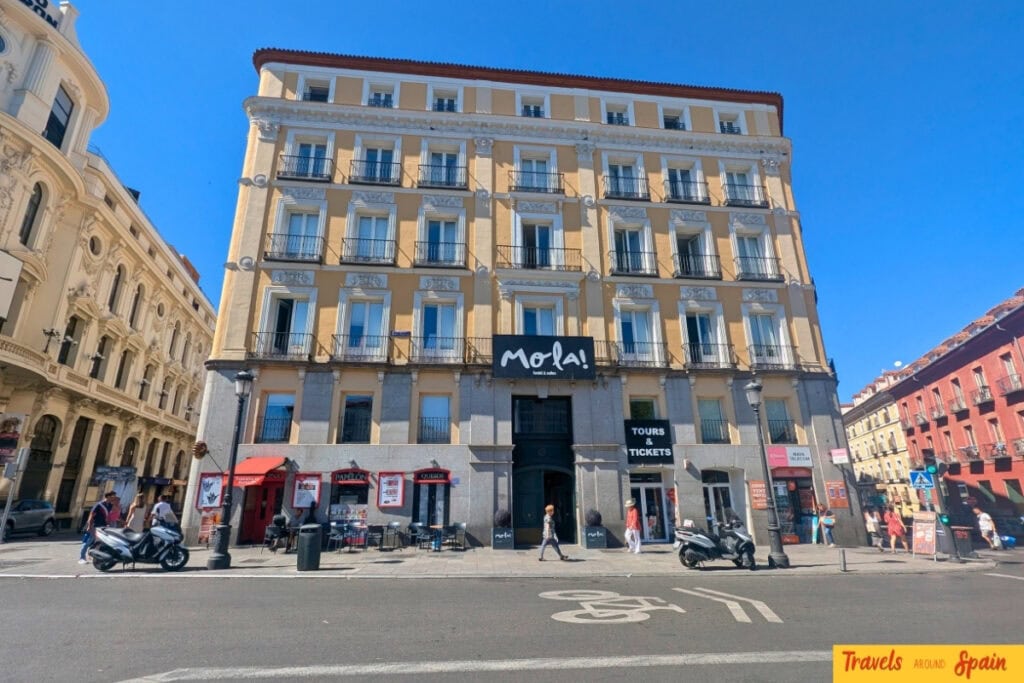
Budget: Mola Hostel
I’ve stayed at Mola Hostel twice and would happily stay there again. Its location just a few minutes from Puerta del Sol makes it one of the best-value accommodation options in central Madrid.
The modern facilities, social atmosphere, and excellent location make it particularly appealing for solo travellers and budget-conscious visitors.
Mid-Range: Catalonia Gran Vía Madrid
Located directly on Gran Vía, Catalonia Gran Vía Madrid offers an excellent balance of comfort, location, and value. It’s a great choice if you want easy access to Madrid’s main attractions whilst enjoying a few extra comforts.
Luxury: Pestana Plaza Mayor Madrid
For a special stay, Pestana Plaza Mayor Madrid offers a fantastic location overlooking one of Madrid’s most iconic squares. The rooftop pool and historic setting make it one of the city’s standout luxury options.
Booking Tip – If you’re visiting during spring, autumn, Madrid Pride, or major festivals, book your accommodation at least two to three months in advance to secure the best prices and locations.
Madrid Budget Guide: How Much Does 2 Days in Madrid Cost?
One of the things I love about Madrid is that it can work for almost any budget. Whether you’re travelling as a backpacker, planning a mid-range city break, or treating yourself to a luxury weekend, Spain’s capital offers excellent value compared to many major European cities.
Typical Daily Budget
Budget traveller: €40-60 per day
Stay in a hostel, use public transport, and take advantage of Madrid’s affordable menú del día lunch deals.
Mid-range traveller: €80-120 per day
Expect comfortable hotels, restaurant meals, attraction tickets, and occasional taxis.
Luxury traveller: €200+ per day
Enjoy boutique hotels, fine dining, premium tours, and some of Madrid’s best accommodation.
Free Things to Do in Madrid
Madrid is packed with free attractions, making it easy to keep costs down.
Some of my favourite free experiences include:
- Exploring Retiro Park
- Visiting the Crystal Palace
- Walking through Plaza Mayor
- Discovering Puerta del Sol
- Browsing El Rastro flea market on Sundays
- Watching the sunset at Templo de Debod
You can also visit the Prado Museum and Reina Sofía during their free entry periods if you’re happy to plan around the opening times.
Save Money with Menú del Día
One of the best ways to eat well in Madrid without overspending is to look for a menú del día.
Available in many local restaurants during lunchtime, these set menus typically include a starter, main course, dessert or coffee, bread, and a drink for around €12-18.
It’s one of the easiest ways to experience authentic Spanish food whilst sticking to a budget.
Getting Around Madrid
Madrid’s attractions are surprisingly walkable, especially around Sol, Plaza Mayor, Gran Vía, and the museum district.
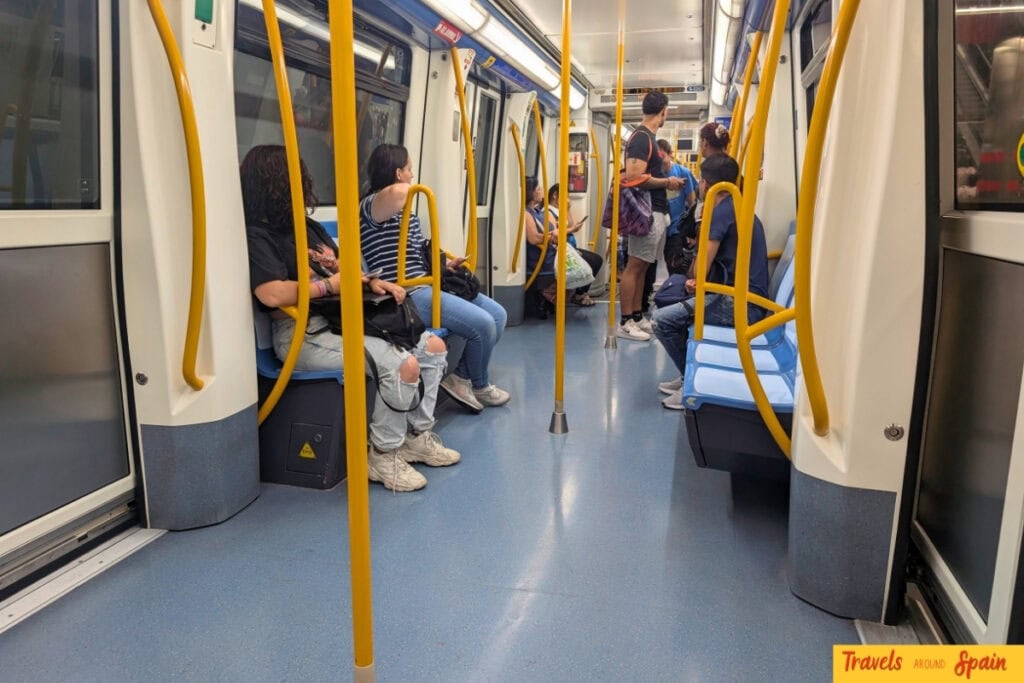
For longer journeys, the Metro is reliable, affordable, and easy to use. If you’re planning multiple journeys throughout the day, consider purchasing a tourist travel pass for unlimited travel.
For a detailed breakdown of transport options, airport transfers, taxis, and Metro tips, check out my guide to getting around Madrid.
Money-Saving Tip – Book accommodation early if you’re visiting during spring, autumn, or Madrid Pride, when hotel prices can increase significantly.
Essential Madrid Travel Tips for First-Time Visitors
Madrid is an easy city to visit, but understanding a few local customs will help you make the most of your time and avoid common tourist mistakes.
Embrace Spanish Meal Times
One of the biggest adjustments for many visitors is Spain’s dining schedule.
Lunch is typically served between 2:00 PM and 4:00 PM, whilst dinner often doesn’t begin until 9:00 PM or later. It might feel strange at first, but embracing local meal times is part of the Madrid experience.
If you’re hungry earlier in the day, stop for a coffee, pastry, or tapas to keep you going until lunch.
Getting Around Madrid
Madrid is one of the most walkable capitals in Europe, and many of the attractions in this itinerary can be reached on foot.
For longer journeys, the Madrid Metro is fast, affordable, and easy to use. If you’re planning multiple trips throughout the day, a tourist travel pass can offer good value.
For more detailed transport advice, including airport transfers, taxis, and Metro tips, check out my guide to getting around Madrid.
Safety in Madrid
I’ve always found Madrid to feel safe and welcoming, even when exploring the city late in the evening.
Like any major city, it’s worth staying aware of your surroundings, particularly in busy tourist areas such as Puerta del Sol, Gran Vía, and Plaza Mayor, where pickpocketing can occasionally occur.
Keep valuables secure, avoid carrying large amounts of cash, and you’ll likely have no issues.
Language & Payment Tips
You don’t need to speak fluent Spanish to enjoy Madrid, but learning a few basic phrases will always be appreciated by locals.
Card payments are widely accepted throughout the city, although it’s still useful to carry a small amount of cash for markets, smaller bars, or unexpected purchases.
Comfortable walking shoes are essential. You’ll spend a lot of time exploring Madrid’s streets, squares, and parks on foot.
Final Tip
Madrid rewards travellers who slow down and embrace the local way of life. Take time to linger over lunch, enjoy a late evening stroll, and soak up the atmosphere rather than rushing from attraction to attraction.
That’s often when the best travel memories are made.
Madrid 2-Day Itinerary: Frequently Asked Questions
Is 2 Days in Madrid Enough?
Yes, 2 days in Madrid is enough to see many of the city’s highlights, including the Royal Palace, Plaza Mayor, Retiro Park, and either the Prado Museum or Reina Sofía. Whilst you won’t see everything, two days gives you an excellent introduction to Spain’s capital.
How Many Days Should You Spend in Madrid?
For first-time visitors, 2 to 3 days in Madrid is ideal. Two days allows you to experience the major attractions, whilst an extra day gives you more time to explore neighbourhoods such as Malasaña and Chueca, or take a day trip to Toledo.
What Is the Best Time to Visit Madrid?
The best times to visit Madrid are spring (April to May) and autumn (September to October) when temperatures are pleasant and sightseeing is comfortable. Summer can be very hot, whilst winter offers lower prices and fewer crowds.
Is Madrid Better Than Barcelona for a Short Trip?
Both cities make excellent city breaks, but Madrid is often easier to explore in a short period thanks to its compact centre and walkable attractions. Barcelona offers beaches and Gaudí architecture, whilst Madrid excels in museums, food, nightlife, and traditional Spanish culture.
Can You Experience Spanish Culture in Just 2 Days?
Absolutely. Madrid is one of the best places in Spain to experience traditional Spanish culture. In just two days, you can enjoy tapas, visit historic landmarks, explore local neighbourhoods, and experience the city’s famous late-night dining culture.
What Should I Not Miss During 2 Days in Madrid?
If you’re short on time, prioritise Puerta del Sol, Plaza Mayor, the Royal Palace, Retiro Park, and either the Prado Museum or Reina Sofía. These attractions provide an excellent introduction to Madrid’s history, culture, and atmosphere.
Is Madrid Worth Visiting for First-Time Visitors to Spain?
Definitely. Madrid is one of the best destinations for first-time visitors to Spain thanks to its combination of history, culture, food, nightlife, and excellent transport connections. It also makes a great base for exploring other parts of the country.
Final Thoughts: Making the Most of Your Madrid Adventure
If you’re wondering whether 2 days in Madrid is enough, the answer is a resounding yes. Whilst you won’t see everything Spain’s capital has to offer, you’ll have enough time to experience many of its highlights, from the grandeur of the Royal Palace and the masterpieces of the Prado Museum to traditional churros at San Ginés and evenings spent exploring neighbourhoods such as Malasaña and Chueca.
What makes Madrid special isn’t just its famous attractions. It’s the atmosphere you’ll find between them. A leisurely lunch on a sunny terrace, a stroll through Retiro Park, or a hidden tapas bar recommended by a local often become the moments you remember most.
I’ve now visited Madrid three times, and every trip has shown me a different side of the city. Whether it was seeing Picasso’s Guernica for the first time, exploring Madrid during Pride, or simply wandering through its neighbourhoods with no fixed plan, I’ve always left wanting to return.
My biggest piece of advice is to embrace Madrid’s rhythm. Eat dinner later than usual, spend time people-watching in the plazas, and don’t try to rush from one attraction to the next. The city rewards travellers who slow down and enjoy the experience.
Whether this is your first visit to Spain or simply your first visit to Madrid, I hope this itinerary helps you make the most of your 48 hours in one of Europe’s most vibrant capitals. If you’re planning a longer trip, you might also find my guide to the best places to visit in Spain for first-timers useful when deciding where to go next.
Enjoy your trip and, if you’re anything like me, don’t be surprised if you’re already planning your next visit before you’ve even left.