What to Pack for Spain in Summer (June, July & August)
A complete packing guide for Spain’s heat, regions, and travel styles
By Liam Mulligan | Published on May 17, 2026 | Modified on May 17, 2026
Travels Around Spain contains affiliate links. This means I may earn a commission if you make a purchase or booking through these links, at no extra cost to you. As an Amazon Associate I earn from qualifying purchases. I only recommend products and services I use and trust. Read my full Affiliate Disclosure for more information.
Wondering what to include in your Spain packing list for summer? With scorching temperatures, regional weather differences, and a distinct local dress culture, packing for Spain between June and August isn’t quite as simple as throwing a few t-shirts into a suitcase.
On my own travels across Spain, I’ve experienced just how varied the country can be in summer. One moment that really stuck with me was a day trip from Asturias into Castile and León. As we drove through a tunnel, we went from grey skies and rain on the Asturian side to bright sunshine the moment we came out the other end. Just a few days later, I was in Santiago de Compostela, where it felt significantly hotter again.
That kind of contrast is exactly why this guide exists. Spain isn’t one uniform climate, especially in summer. What works in one region won’t always work in another.
In this guide, you’ll find everything you need to pack for Spain in summer, from staying cool in Andalucía’s intense heat to being properly prepared for rain in the north. I’ll also share a few practical tips I always rely on, like why I never travel without a light jacket and how packing cubes can completely change the way you organise your luggage.
By the end of this guide, you’ll know exactly what to bring, what to leave at home, and how to pack smart for wherever your Spain itinerary takes you. If you’re still planning your trip, it’s worth checking out the best places to visit in Spain for first timers to help shape your itinerary before you start packing.
Quick Overview: Spain Packing List for Summer
If you’re short on time, here’s a quick summary of what to include in your Spain packing list for summer.
- Lightweight, breathable clothing for hot weather, especially in southern Spain
- A light jacket or layer for cooler evenings and indoor air conditioning
- Comfortable walking shoes for cities and cobbled streets
- Sandals or flip flops for beach destinations
- Swimwear if you’re visiting the coast or islands
- A waterproof jacket (essential for northern Spain)
- Packing cubes to keep your luggage organised
- A travel adapter with multiple USB ports
- A power bank that complies with airline regulations (hand luggage only)
- Sun protection including sunscreen, sunglasses, and a hat
Spain’s summer weather varies more than most people expect, so packing for a mix of conditions will make your trip much smoother.
Spain in Summer: What You Need to Know Before Packing
Before you even start building your Spain packing list for summer, it’s worth understanding one key thing: Spain doesn’t have just one summer climate.
Many travellers assume the whole country is hot, dry, and sunny from June to August. While that’s true in places like Andalucía or Madrid, it’s only part of the picture. Spain’s regional differences can completely change what you need to pack.
How Hot Is Spain in Summer?
In much of Spain, summer heat is intense, especially inland. Cities like Seville, Córdoba, and Madrid regularly climb well above 35°C in July and August, and even June can feel full-on if you’re not used to it. The kind of heat where sightseeing in the middle of the afternoon quickly becomes exhausting. If Madrid is on your itinerary, it’s also worth knowing what to expect beyond the heat, including practical tips like whether Madrid is safe for travellers.
Along the coast, things can feel slightly more manageable. Places like Barcelona or Valencia benefit from sea breezes, although the humidity can make it feel warmer than the temperature suggests. The islands bring their own mix too, with dry heat in some areas and more humidity in others.
Why Spain’s Regions Change What You Should Pack
Where this really becomes important is when you start moving around the country.
From my own travels, I’ve seen just how quickly conditions can shift. One day you can be dealing with cooler, damp weather in the north, and not long after, you’re in dry, intense heat further inland. That contrast catches a lot of people off guard.
Northern Spain, particularly regions like Asturias, Galicia, Cantabria, and the Basque Country, feels completely different to the south. It’s greener for a reason. Rain is far more common, temperatures are lower, and the weather can change quickly throughout the day.
North vs South: Why Packing for Asturias Isn’t Andalucía
This difference becomes very real when you’re travelling between regions.
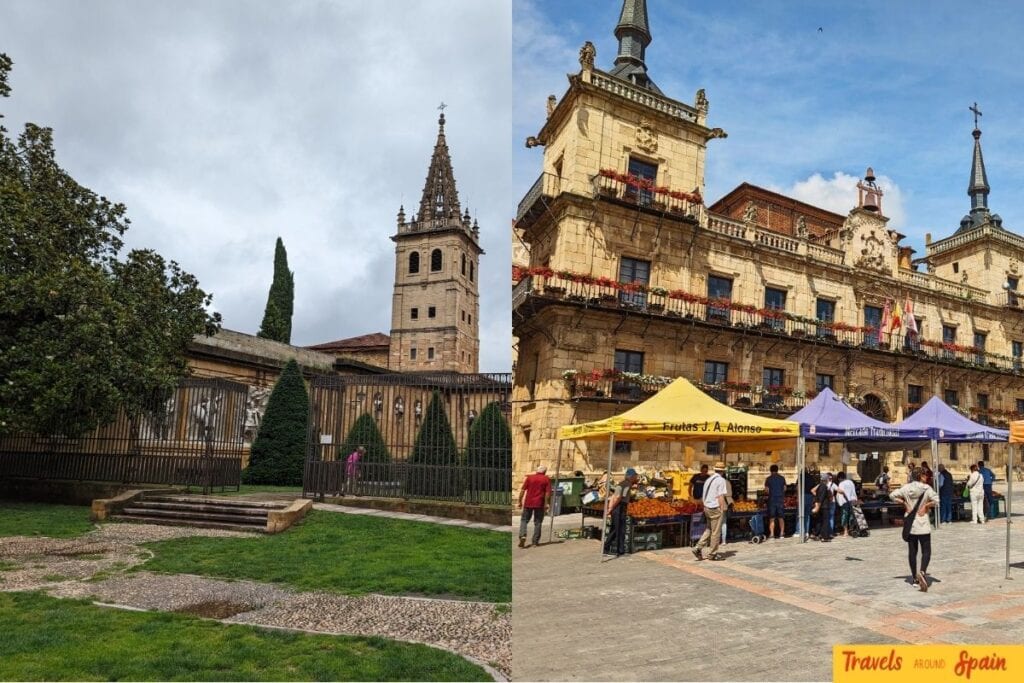
On one trip, I went from Asturias into Castile and León on a day trip. As we drove through a tunnel, we went from grey skies and rain on the Asturian side to bright sunshine the moment we came out the other end. A few days later, I arrived in Santiago de Compostela and it felt noticeably warmer again.
It’s a great example of just how varied northern Spain can be, even in summer.
In southern Spain, you’re dressing for heat first and foremost. In the north, it’s a bit less predictable. Even in the middle of summer, evenings can feel cooler and rain isn’t uncommon.
That’s why packing for Spain isn’t just about preparing for hot weather. It’s about being ready for a bit of everything.
Spain Packing List for Summer: The Essentials
Now that you know how varied Spain can be in summer, let’s get into the actual Spain packing list for summer.
This isn’t about cramming your suitcase with everything “just in case.” It’s about packing smart so you’re comfortable whether you’re exploring a hot inland city, relaxing on the coast, or dealing with the occasional rain shower in the north.
Clothing for Hot Weather
For most of Spain in summer, your wardrobe will revolve around staying cool.
Lightweight, breathable fabrics are key. Think cotton, linen, and loose-fitting clothing that won’t cling in the heat. When you’re walking around cities like Seville or Madrid in 30+ degree temperatures, what you wear makes a huge difference to how enjoyable your day is.
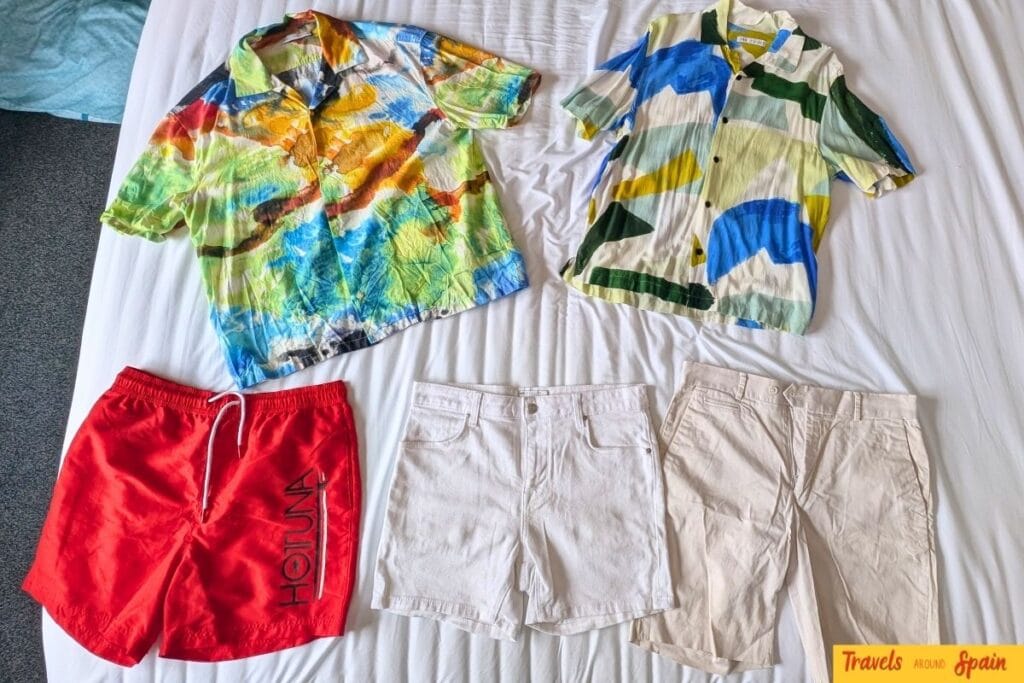
You’ll want a mix of t-shirts, vests, and lighter bottoms like shorts, skirts, or breathable trousers. It’s less about fashion and more about practicality, although Spain does have a slightly more put-together style than you might expect.
Evening Layers (Why You Still Need a Jacket)
Even in the height of summer, I always pack a light jacket.
This is something a lot of people overlook, especially if they’re expecting constant heat. But evenings can cool down more than you’d think, particularly in the north or in inland areas where temperatures drop after sunset.
It also ties into something that often surprises visitors. Spaniards tend to dress slightly warmer than northern Europeans. On days that might feel warm to you, locals are often still wearing light layers, especially outside of peak summer heat.
A simple light jacket or overshirt is usually enough, but it’s one of those items you’ll be glad you brought.
Footwear for Cities, Beaches, and Walking
Footwear is one area where it’s worth getting things right.
Spain’s cities are made for walking, often on uneven streets, cobblestones, and long stretches between attractions. Comfortable walking shoes are essential if you want to enjoy your time without sore feet by midday.
You don’t need loads of options, but having a reliable pair for walking, something lighter like sandals, and perhaps a slightly smarter option for evenings will cover most situations.

Swimwear and Beach Essentials
If your trip includes the coast or islands, swimwear is an obvious addition, but it’s worth thinking beyond just that.
A lightweight towel, flip flops, and something easy to throw on over your swimwear will make beach days much easier. Beaches in Spain are generally well set up, but having your own basics means you’re not constantly renting or buying things when you arrive.
What to Pack for Different Regions of Spain
One of the biggest mistakes people make when creating a Spain packing list for summer is treating the whole country the same. In reality, where you’re going has a huge impact on what you should bring.
From travelling across Spain myself, this is where packing smart really pays off.
Packing for Southern Spain (Andalucía & Inland Cities)
If you’re heading to southern Spain or inland cities like Madrid, your focus is simple: staying cool.
The heat here can be intense, especially in July and August. You’ll want lightweight clothing that allows airflow and keeps you comfortable when temperatures climb well into the 30s. Loose-fitting outfits work far better than anything tight, and lighter colours can help reflect the sun.
You’ll also quickly realise that the middle of the day isn’t ideal for sightseeing. Having breathable clothes and something to shield you from the sun makes a noticeable difference when you’re out exploring.
Packing for Northern Spain (Galicia, Asturias, Cantabria, Basque Country)
Northern Spain is a completely different story.
Even in summer, the weather is far less predictable. It’s greener for a reason, and that means you need to be prepared for rain at any time. This is where a lot of travellers get caught out.
A waterproof jacket is essential, and from experience, it’s well worth considering waterproof trousers too if you’re planning to be outdoors for long periods. They might not seem necessary when you’re packing at home, but they can make a big difference when the weather turns.
Temperatures are also cooler compared to the south, particularly in the evenings, so having a couple of extra layers will keep you comfortable.
Why Waterproofs Are Non-Negotiable in the North
It’s easy to underestimate just how useful waterproofs are until you actually need them.
In northern regions like Asturias or Galicia, rain showers can come and go quickly, and they don’t always show up on the forecast. Having something lightweight and waterproof means you can carry on exploring without having to cut your day short.
When heading to northern Spain in 2023, I even packed a pair of waterproof trousers due to a rainy forecast. Thankfully, I didn’t need them, but I was glad I had them just in case. Packing waterproofs is one of those small packing decisions that can have a big impact on your trip.
Packing for Cities (Madrid & Barcelona)
City breaks in Spain come with their own packing priorities.
You’ll likely be doing a lot of walking, so comfortable footwear is essential. At the same time, cities like Madrid and Barcelona have a slightly more polished feel, especially in the evenings, so having something a bit smarter to wear can be useful if you’re heading out for dinner or drinks.
A light layer is also worth bringing, particularly if you’re out late or visiting during the shoulder months around summer.
If you’re heading to Barcelona, it’s also worth thinking about your itinerary in advance, especially when deciding how many days in Barcelona you’ll need to see everything comfortably.
Packing for Islands (Balearic & Canary Islands)
If your trip includes the islands, your packing list will lean more towards beach essentials.
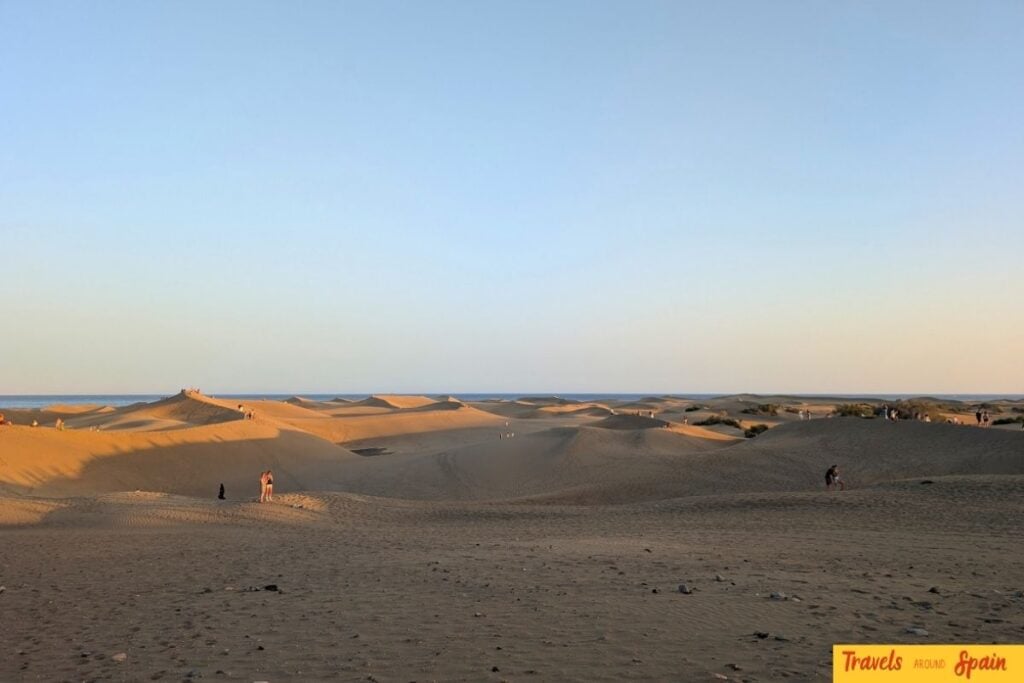
Swimwear, light clothing, and sun protection are key here. The Balearic Islands can get very hot in summer, while the Canary Islands tend to have a more consistent climate year-round, though the sun is still strong.
You’ll likely spend a lot of time outdoors, so having comfortable, breathable clothing and something easy to throw on between the beach and restaurants will make your days much easier.
If you’re travelling to the Canary Islands and are wondering what to pack, I’ve got you covered with my ultimate packing list for Gran Canaria in June.
Travel Essentials You Shouldn’t Forget
Clothing is only part of your Spain packing list for summer. There are a few travel essentials that can make a real difference to how smooth and comfortable your trip feels.
These are the items I always bring with me, regardless of where I’m travelling in Spain.
Packing Cubes and Smart Packing Tips
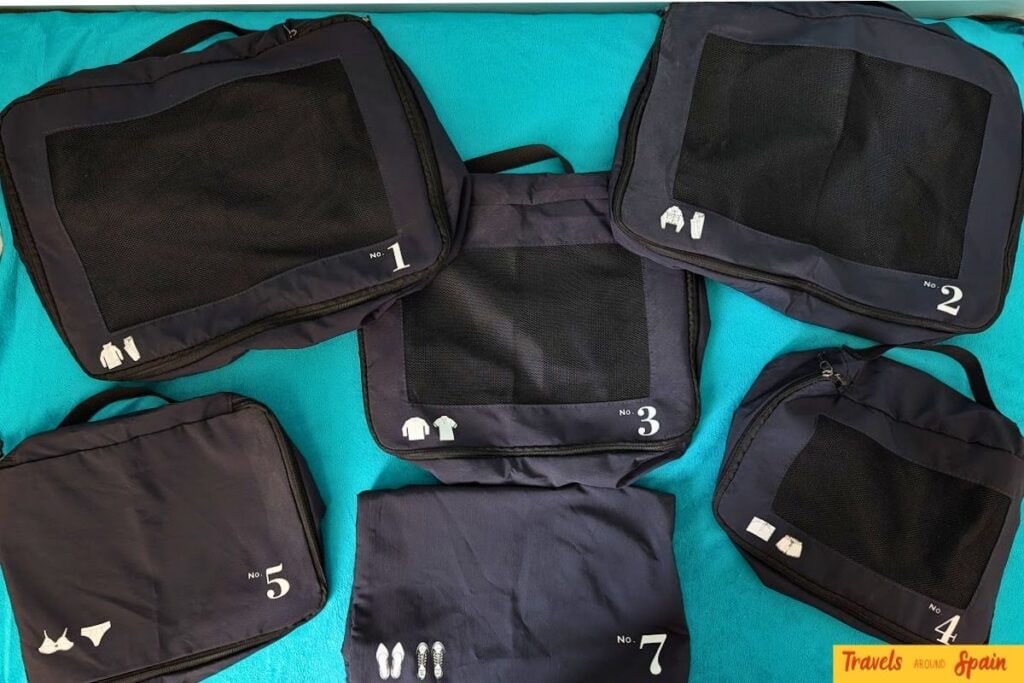
One thing I always use is packing cubes.
They might seem like a small addition, but they completely change how you organise your suitcase. Instead of everything being thrown together, you can separate outfits, regions, or types of clothing, which makes it much easier to find what you need without unpacking everything.
They’re especially useful if you’re travelling across different regions. On a trip where you’re dealing with both hot weather and cooler, wetter conditions, being able to keep things organised saves a lot of hassle.
Chargers, Adapters, and Tech Essentials
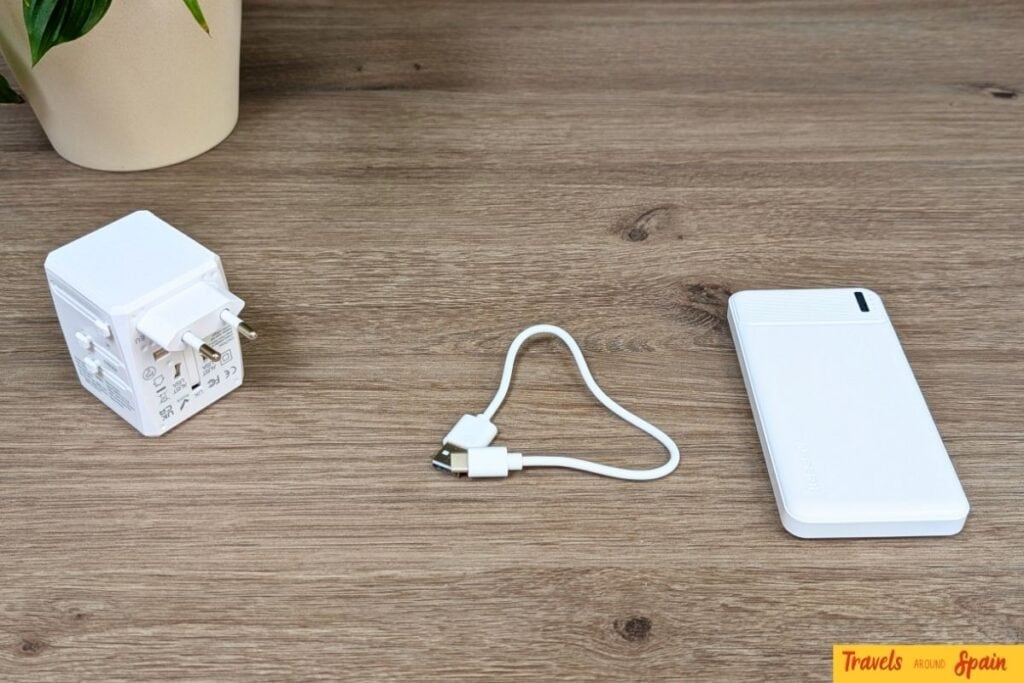
Another non-negotiable for me is a good travel adapter.
I use one with multiple USB ports, which means I can charge everything at once without needing several plugs. It’s one of those things you don’t think about until you’re trying to charge your phone, headphones, and other devices from a single socket.
I’d also recommend bringing a power bank, especially if you’re out all day using maps, booking tickets, or taking photos. Just make sure it complies with airline regulations. Most airlines in Europe allow power banks in hand luggage only, and typically up to 100Wh.
I actually had one confiscated in Berlin once for being too large, so it’s worth double-checking before you travel.
Bringing a couple of charging cables is also a good idea. The last thing you want is your phone dying halfway through a day of exploring.
Sun Protection Must-Haves
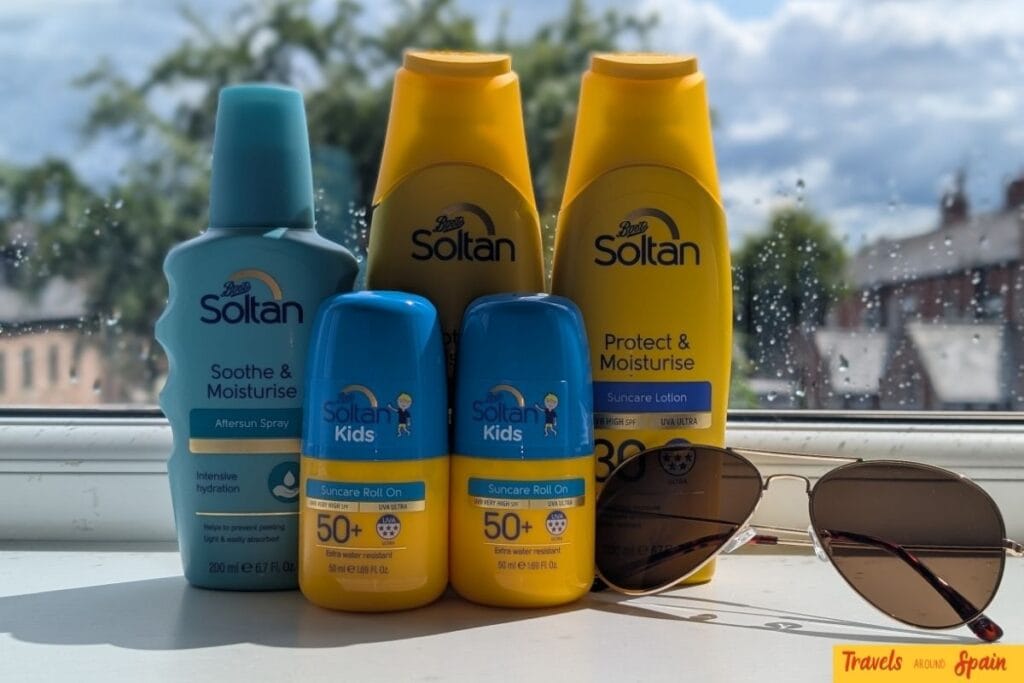
Sun protection is something you don’t want to underestimate in Spain during the summer.
The sun can feel much stronger than in northern Europe, particularly in the south and on the islands. Even on days that don’t feel excessively hot, it’s easy to burn if you’re out for long periods.
A good sunscreen, sunglasses, and something to protect your head, like a hat or cap, will make your time outdoors far more comfortable. It’s one of those simple things that can make or break a day of sightseeing. Don’t be caught out and end up as one of the sunburnt red tourists.
What to Wear in Spain (Cultural Tips Tourists Often Miss)
Knowing what to include in your Spain packing list for summer isn’t just about the weather. It’s also about understanding how people actually dress.
This is something that often catches travellers off guard, especially if you’re coming from northern Europe.
Why Spaniards Dress Differently to Northern Europeans
One thing I’ve noticed on my trips to Spain is that locals tend to dress slightly warmer than you might expect.
Even on days that feel hot, particularly in spring or early summer, you’ll often see Spanish people wearing light jackets or layers, while tourists are already in shorts and vests. It’s not a strict rule, but it’s definitely noticeable once you start paying attention.
Part of it comes down to what people are used to. What feels warm to someone visiting from the UK or northern Europe might still feel mild to someone who lives in Spain.
It doesn’t mean you need to completely change how you dress, but it’s useful to be aware of, especially if you want to feel a bit more in tune with your surroundings.
How to Avoid Looking Like a Tourist
You don’t need a whole new wardrobe to fit in, but a few small choices can make a difference.
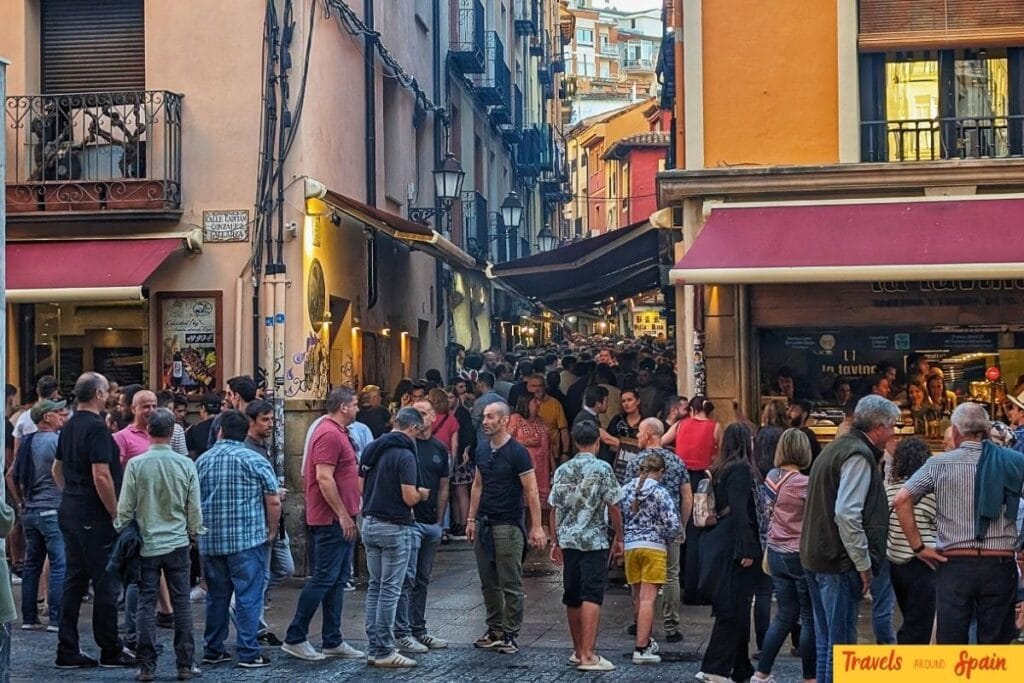
In general, Spain leans slightly more towards a smart-casual style, particularly in cities. Even in summer, people tend to look fairly put together when they’re out in the evening, whether that’s for dinner, drinks, or just a paseo through the city.
That doesn’t mean dressing up formally, but it does mean avoiding anything overly scruffy or overly “beachy” when you’re away from the coast.
Simple things like well-fitted clothes, comfortable but clean footwear, and a slightly smarter outfit for the evening can help you feel more comfortable in different settings.
What NOT to Pack for Spain in Summer
When putting together your Spain packing list for summer, it’s just as important to think about what to leave behind as it is what to bring.
Overpacking is one of the easiest ways to make your trip more stressful than it needs to be, especially if you’re moving between cities or regions.
Overpacking Heavy Clothes
This is probably the most common mistake.
Unless you’re spending a lot of time in the north or travelling early or late in the season, you won’t need bulky clothing. Spain’s summer heat, particularly in the south and inland, makes heavier items uncomfortable more than anything else.
A light jacket is usually all you need for evenings, and anything beyond that will likely stay in your suitcase the entire trip.
Even in the north, layering is a better approach than packing anything thick or heavy. A waterproof and a couple of lighter layers will do far more for you than one bulky item.
Unnecessary Gadgets and Extras
It’s easy to fall into the trap of packing for every possible scenario, especially when it comes to tech and travel accessories.
In reality, you’ll use far less than you think.
If you’ve got a good travel adapter, a power bank, and your essential devices, you’re covered for most situations. Anything beyond that tends to add weight without adding much value.
The same applies to “just in case” items. Spain is a well-developed country, and if you do forget something, you’ll almost always be able to pick it up while you’re there.
Packing lighter doesn’t just save space. It makes getting around, unpacking, and moving between places much easier, especially if your trip includes multiple destinations.
Spain Summer Packing Tips (From Experience)
After travelling across Spain in summer multiple times, I’ve realised that packing well isn’t about bringing more. It’s about bringing the right things for the way Spain actually feels when you’re there.
Lessons from Travelling Across Spain’s Regions
One of the biggest lessons I’ve learned is just how quickly conditions can change depending on where you are.
You might start your trip dealing with rain in the north, then find yourself in dry, intense heat just a short journey away. That contrast can catch you off guard if you’ve only packed for one type of weather.
That’s why I always pack with flexibility in mind. A mix of lightweight clothes, something for cooler evenings, and proper waterproofs means you’re covered without overpacking.
It also makes moving between regions far less stressful, because you’re not constantly feeling underprepared.
How to Pack Light Without Missing Essentials
Packing light makes travelling around Spain so much easier, especially if you’re visiting multiple cities or regions.
For me, it comes down to sticking to versatile items. Clothes that can be worn in different combinations, shoes that work for both day and evening, and a few key extras that solve multiple problems, like a light jacket or a good adapter.
Using packing cubes has made a big difference here as well. Being able to organise everything properly means you don’t feel like you need to bring extra “just in case” items.
The reality is, you’ll wear the same core outfits most of the time. And if you do forget something, it’s usually easy to pick it up once you’re in Spain.
FAQs About packing for spain in summer
What should I wear in Spain in summer?
In summer, lightweight and breathable clothing is essential. Think cotton or linen t-shirts, shorts, skirts, and loose-fitting trousers. You’ll also want a light jacket for evenings, especially if you’re travelling in the north or inland where temperatures can drop after sunset.
Is Spain too hot in July and August?
In many parts of Spain, especially inland cities like Madrid or southern regions like Andalucía, it can get very hot, often exceeding 35°C. Coastal areas and the north tend to feel more comfortable, but the heat is still something you’ll need to plan for when packing and sightseeing.
Do I need a jacket for Spain in summer?
Yes, a light jacket is worth bringing. Even in summer, evenings can feel cooler, particularly in northern Spain or inland areas. It’s also useful for travelling between regions where temperatures can vary quite a bit.
What shoes should I wear in Spain?
Comfortable walking shoes are essential, especially for cities with lots of cobbled streets. A pair of breathable trainers or walking shoes will cover most situations, and you might also want sandals for warmer days or beach destinations.
Do I need waterproofs for Spain?
If you’re travelling to northern Spain, then yes, waterproofs are highly recommended. Regions like Galicia, Asturias, and the Basque Country can experience rain even in summer, and having a lightweight waterproof jacket makes a big difference.
Can I wear shorts in Spain?
Yes, shorts are completely fine, especially in summer. However, in cities and in the evenings, people tend to dress slightly more smart-casual, so it can be useful to have a slightly more put-together outfit as well.
Final Thoughts on packing for spain in summer
Packing for Spain in summer is all about balance. It’s easy to assume you’ll only need clothes for hot weather, but as you’ve seen, Spain is far more varied than that. From the intense heat of Andalucía to the unpredictable conditions in the north, what you pack can have a big impact on how comfortable your trip feels.
The key is to keep things simple and flexible. Focus on lightweight clothing for the heat, add a couple of layers for cooler evenings, and don’t underestimate the value of waterproofs if you’re heading north. A few smart extras like packing cubes, a good adapter, and a reliable power bank can make travelling between regions much easier too.
After travelling across Spain multiple times, one thing always stands out. You don’t need to pack more, you just need to pack smarter. Get that right, and you’ll be ready for whatever your Spain summer trip throws at you.