
The Canary Islands
Volcanic Landscapes, Beaches, Year-Round Sunshine, and Island Adventures
Discover Spain’s Atlantic islands, from dramatic volcanoes and golden beaches to lively resorts, mountain villages, and unforgettable coastal scenery.
Scroll to explore
The Canary Islands In A Nutshell
The Canary Islands are one of Spain’s most unique destinations, known for their volcanic landscapes, year-round sunshine, golden beaches, and dramatic natural scenery. Located off the northwest coast of Africa in the Atlantic Ocean, the archipelago offers a remarkable diversity of landscapes, cultures, and experiences across its eight inhabited islands.
Whether you are exploring the volcanic terrain of Lanzarote, hiking beneath Mount Teide in Tenerife, relaxing on the dunes of Gran Canaria, or discovering the lush forests of La Palma and La Gomera, the Canary Islands offer an unforgettable blend of adventure, relaxation, nature, and culture that makes them one of Spain’s most rewarding regions to discover.

Capital Cities

Where are the Canary Islands in Spain?
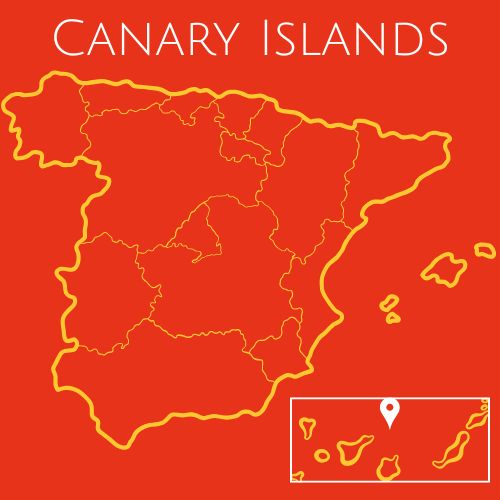
What Visit The Canary Islands?
Scattered across the Atlantic Ocean, the Canary Islands combine volcanic scenery, warm weather, dramatic coastlines, and a relaxed island lifestyle unlike anywhere else in Spain.
Eternal Spring Climate
Warm temperatures, winter sun, and outdoor adventures throughout the year
Volcanic Landscapes
Lava fields, craters, national parks, cliffs, and otherworldly island scenery
Beaches For Every Traveller
Golden dunes, black sand coves, surf beaches, and peaceful Atlantic bays
Island Adventures
Hiking trails, road trips, viewpoints, whale watching, and island-hopping routes

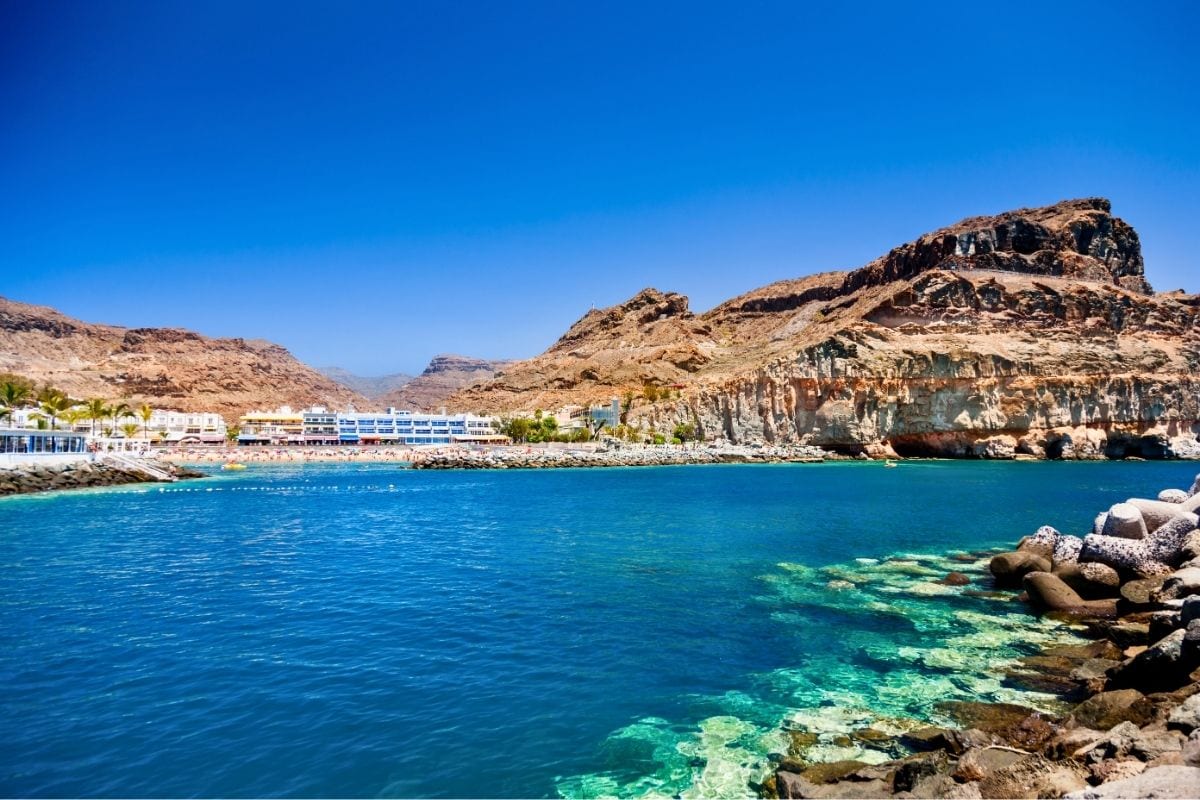
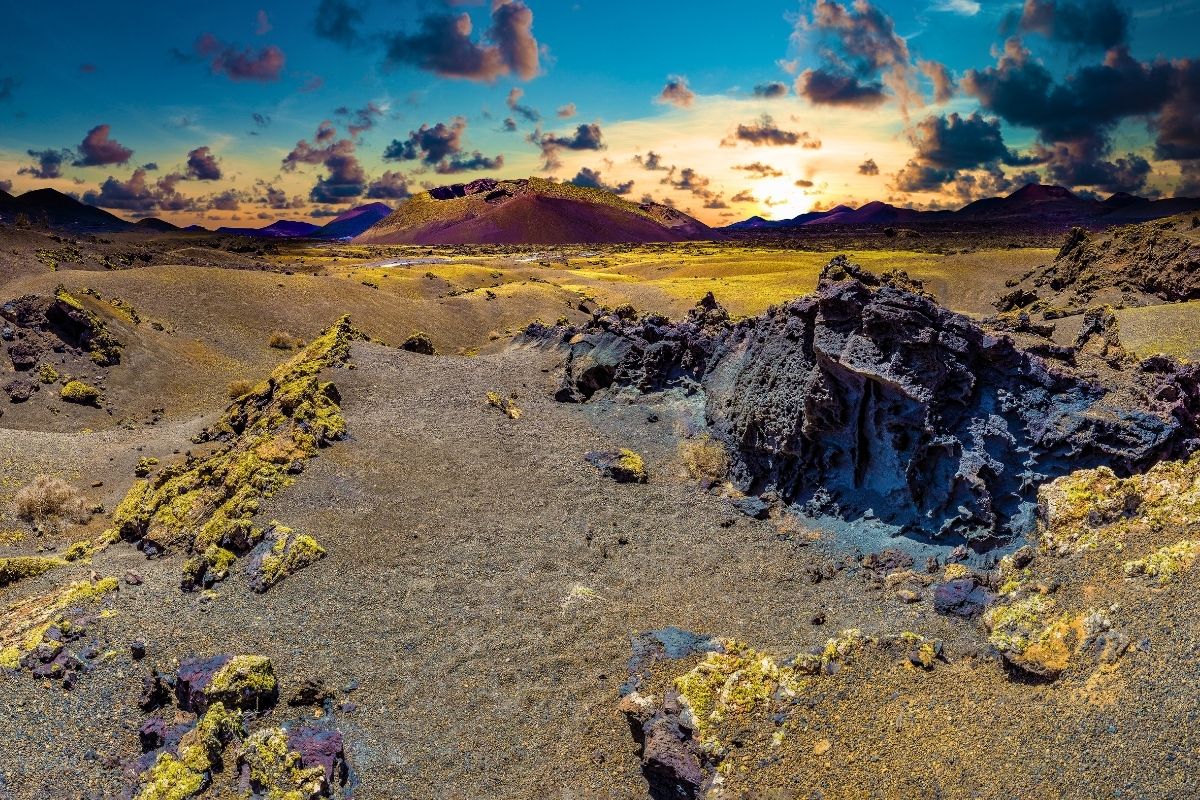
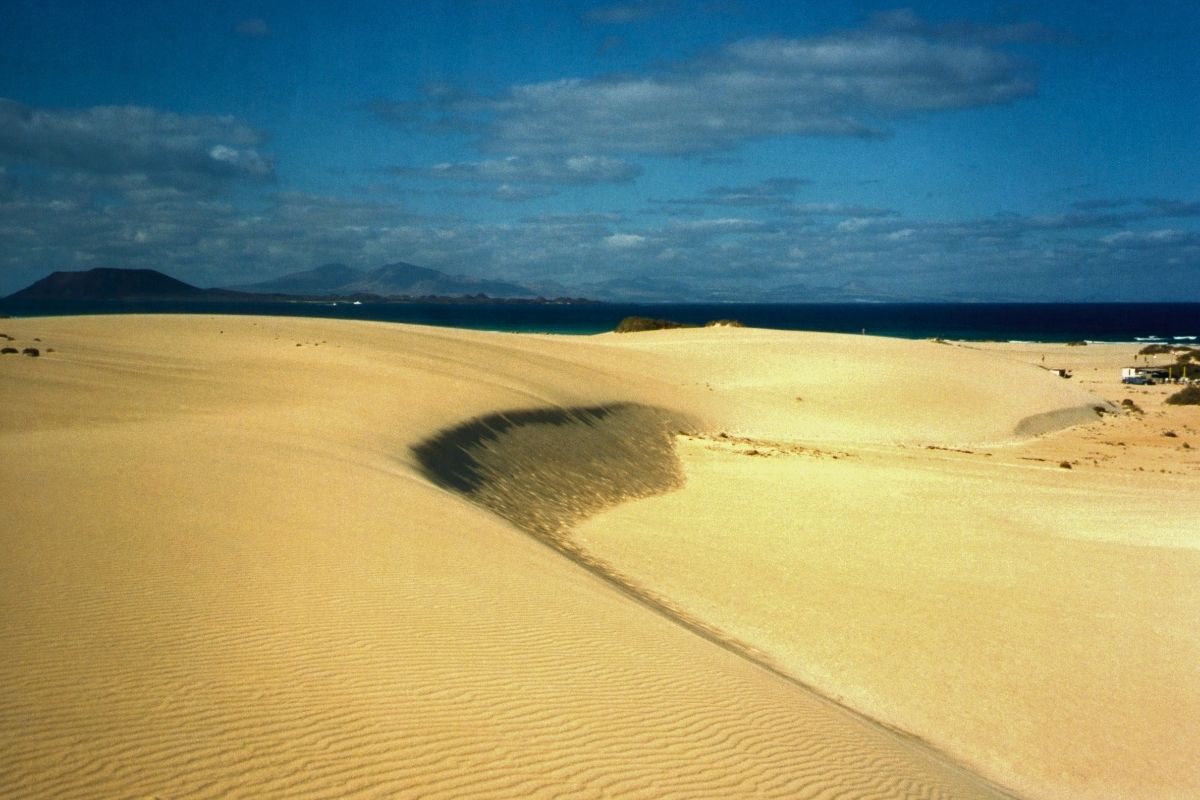
Explore the Canary Islands




Best Time To Visit The Canary Islands
Thanks to their subtropical climate, the Canary Islands are one of Europe’s few true year-round destinations. Every season offers warm weather, but each has its own advantages depending on how you like to travel.
Spring
March – May
Warm temperatures, colourful landscapes, and quieter resorts make spring ideal for hiking, sightseeing, and exploring the islands.
Summer
June – August
Perfect for beaches, swimming, water sports, and long sunny days, with cooling Atlantic breezes keeping temperatures comfortable.
Autumn
September – November
Warm seas, fewer crowds, and excellent weather make autumn one of the most rewarding times to visit the islands.
Winter
December – February
Winter sunshine attracts visitors from across Europe, making the Canary Islands one of the continent’s most popular cold-weather escapes.
My Favourite Time To Visit The Canary Islands
One of the reasons I often visit the Canary Islands in June is the excellent value. The weather is already warm and sunny, the sea is comfortable for swimming, and prices are often lower than during the peak summer months. For me, it’s the perfect balance between great weather, fewer crowds, and affordable travel.
Getting To The Canary Islands
Despite being located in the Atlantic Ocean off the northwest coast of Africa, the Canary Islands are surprisingly easy to reach thanks to extensive flight connections from across Spain and Europe.
By Air
Most visitors arrive by plane, with major international airports on Tenerife, Gran Canaria, Lanzarote, and Fuerteventura.
By Ferry
Ferries connect the islands with each other and also operate between mainland Spain and the Canary Islands for those travelling by sea.
By Road
Hiring a car is one of the best ways to explore each island, giving you easy access to viewpoints, beaches, mountain roads, and hidden corners.
Explore More of the Canary Islands
Latest guides, insider tips, and practical advice for your trip