2 Days In Seville Itinerary: The Ultimate First-Time Travel Guide
Plan the perfect Seville city break with practical local travel tips.
By Liam Mulligan | Published on May 27, 2026 | Modified on May 27, 2026
Travels Around Spain contains affiliate links. This means I may earn a commission if you make a purchase or booking through these links, at no extra cost to you. As an Amazon Associate I earn from qualifying purchases. I only recommend products and services I use and trust. Read my full Affiliate Disclosure for more information.
Planning a 2 days in Seville itinerary is surprisingly easy thanks to the city’s compact layout, incredible landmarks, and relaxed Andalusian atmosphere. Whether you are visiting as part of a wider Spain trip or planning a dedicated weekend break, Seville offers the perfect mix of history, culture, food, and nightlife in just two days.
From exploring the magnificent Real Alcázar and climbing La Giralda to wandering the winding streets of Santa Cruz and watching authentic flamenco, Seville is a city that rewards slower travel. It is one of the most atmospheric destinations in Spain and somewhere that feels just as magical at midnight as it does first thing in the morning.
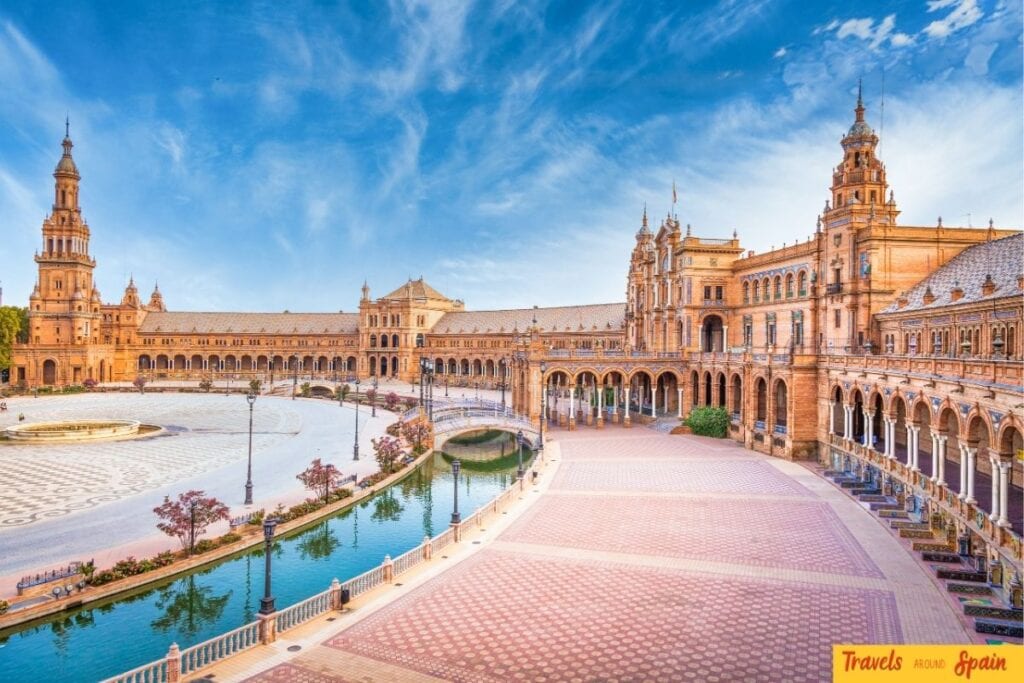
When I visited Seville, the sheer beauty of Plaza de España completely exceeded expectations. Even after seeing photos beforehand, seeing the colourful ceramic details and huge semi-circular building in person was unforgettable. I also quickly realised one important thing about Seville though: the summer heat is no joke. Visiting in August meant planning around the intense afternoon temperatures, something that is definitely worth keeping in mind when organising your itinerary.
This guide covers exactly how to spend two days in Seville, including the city’s top attractions, practical travel tips, tapas spots, flamenco experiences, and ways to avoid rushing around too much.
Quick Overview: 2 Days in Seville
- Best for: First-time visitors to Seville
- Ideal trip length: 2 days
- Main highlights: Plaza de España, Real Alcázar, Seville Cathedral, flamenco
- Best time to visit: Spring and autumn
- Walkability: Very walkable city centre
- Recommended area to stay: Santa Cruz or El Arenal
- Don’t miss: A flamenco show at Casa de la Memoria
- Biggest tip: Start early to avoid the intense afternoon heat
PLAN YOUR TRIP TO Seville
Trusted resources for planning your Seville trip.
Royal Alcázar Tickets – Skip-the-line tickets for Seville’s stunning royal palace.
Seville Cathedral & La Giralda – Book tickets for Seville’s iconic cathedral and tower.
Hotels in Seville – Find boutique hotels and stays across Seville’s historic centre.
Why Seville Is Perfect For A 2-Day City Break
Seville is one of the best cities in Spain for a short break thanks to its compact layout, incredible architecture, and relaxed atmosphere. Many of the city’s biggest attractions are located within walking distance of each other, making it easy to experience a huge amount in just two days.
Compact, Walkable And Packed With Attractions
One of the biggest reasons Seville works so well as a weekend destination is how compact the historic centre is. Many of the city’s biggest attractions are located within walking distance of each other, making it easy to fit a huge amount into just two days without constantly relying on public transport.
You can comfortably walk from the Real Alcázar to Seville Cathedral, wander through the narrow lanes of Santa Cruz, and then continue down towards the riverfront and Torre del Oro all within the same afternoon. Compared to larger cities like Madrid, Seville feels much easier to navigate for first-time visitors.
Why Seville Feels Different From Other Spanish Cities
Whilst every major Spanish city has its own personality, Seville feels distinctly Andalusian. The city has a warmth and rhythm that immediately stands out, from the sound of flamenco drifting through side streets to locals gathering in busy plazas long after sunset. When you imagine Spain, Seville is the sort of place that springs to mind making it one of the best options for first time visitors.
Part of this comes from Seville’s fascinating history. The mix of Moorish, Christian, and Jewish influences can still be seen throughout the city today, especially in landmarks like the Real Alcázar and the winding streets of Santa Cruz.
What also makes Seville memorable is the balance between major tourist attractions and authentic local culture. Even close to the busiest landmarks, it never takes long to find a traditional tapas bar, a quiet courtyard, or a neighbourhood street that feels untouched by mass tourism.

Visiting Seville In Summer: What To Expect From The Heat
One thing that surprised me about Seville was just how intense the summer heat felt. I visited during August and whilst the city was stunning, sightseeing in the middle of the day could quickly become exhausting.
Temperatures regularly climb above 35°C during summer and large open spaces like Plaza de España can feel especially hot during the afternoon. Because of this, it is worth planning your itinerary carefully if you are visiting between June and September.
Starting early in the morning and building longer breaks into your itinerary can make sightseeing far more comfortable during summer.
Before You Visit Seville
A little planning goes a long way in Seville, especially if you are only visiting for two days. Whilst the city is easy to navigate and relatively compact, booking major attractions in advance and choosing the right area to stay can make your trip much smoother.
Seville is one of the most popular destinations in southern Spain and places like the Real Alcázar regularly sell out, particularly during spring and summer. Temperatures can also heavily shape your itinerary depending on the time of year you visit, so it is worth thinking about sightseeing pace before you arrive.
Best Time To Visit Seville
Seville is a fantastic destination year-round, but some months are definitely more comfortable for sightseeing than others. If you are planning a packed 2 days in Seville itinerary, the weather can have a huge impact on how much you enjoy the city.
For most visitors, spring is the ideal time to visit. March, April, and May usually bring warm temperatures, plenty of sunshine, and comfortable conditions for walking around the city. This is also when Seville feels especially vibrant thanks to orange blossoms, outdoor dining, and major events like Semana Santa and the Feria de Abril.
Autumn is another excellent option. September and October are still warm but generally much easier for sightseeing than peak summer.
Summer can be beautiful but also extremely intense. I visited during August and whilst I loved the city, the midday heat was exhausting at times. Temperatures regularly rise above 35°C and sightseeing during the afternoon can quickly become uncomfortable, particularly around exposed areas like Plaza de España or the riverfront.
Winter is the quietest season and often overlooked by international visitors. Whilst it can be cooler in the evenings, daytime temperatures are still mild compared to much of Europe, making Seville a great winter sun destination.
If you are flexible with your dates, spring and autumn will usually give you the best balance between comfortable weather, lively atmosphere, and manageable crowds. For more detailed advice, check out my post on the best time to visit Seville for a month-by-month breakdown.
Where To Stay In Seville
Choosing the right area to stay can make a huge difference when you only have two days in Seville. Thankfully, most of the best neighbourhoods for visitors are located close to the historic centre, making it easy to explore the city on foot.
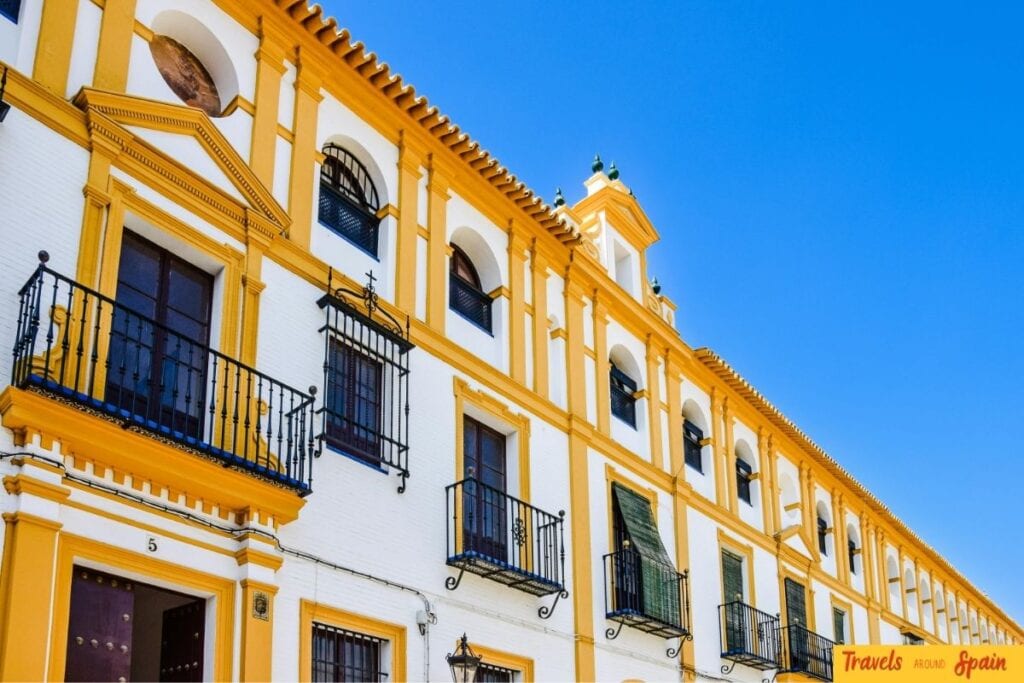
For first-time visitors, Santa Cruz is usually the best option. This historic neighbourhood sits right beside the Real Alcázar and Seville Cathedral and is filled with narrow streets, hidden courtyards, traditional tapas bars, and beautiful old buildings. Staying here puts you within walking distance of many of Seville’s main attractions and gives you that classic Andalusian atmosphere people imagine when visiting the city.
If you want something slightly livelier, El Arenal is another excellent choice. Located between the cathedral and the river, this area is known for its tapas bars, nightlife, and easy access to attractions like Torre del Oro and the Guadalquivir waterfront.
For travellers looking for a more local and trendy atmosphere, Alameda de Hércules has become one of Seville’s coolest neighbourhoods. It has a more modern and alternative feel compared to Santa Cruz whilst still being walkable to the main sights. You will also find plenty of independent cafés, bars, and restaurants here.
One thing worth keeping in mind is that Seville’s historic centre can stay busy and noisy late into the evening, especially during weekends and festivals. If you are a light sleeper, it may be worth choosing accommodation slightly away from the busiest tourist streets.
Wherever you stay, choosing somewhere central will help you maximise your limited time and make it much easier to explore Seville at a relaxed pace.
How To Get Around Seville
One of the best things about Seville is how easy it is to explore without needing complicated transport plans. The historic centre is extremely walkable and many of the city’s biggest attractions are located fairly close together, making it ideal for a short city break.
For most of this 2 days in Seville itinerary, you will mainly be exploring on foot. Walking through neighbourhoods like Santa Cruz is part of the experience itself, with hidden courtyards, quiet plazas, and small tapas bars around almost every corner.
Seville also has a reliable public transport network if you need it. The city’s trams are especially useful for getting around the centre, whilst buses cover areas further away from the main tourist attractions. There is also a metro system, although most visitors staying centrally probably will not need to use it very often.
If you are arriving from elsewhere in Spain, Seville Santa Justa Station is the city’s main railway hub and has excellent high-speed train connections to places like Madrid, Córdoba, Málaga, and Granada. This makes Seville very easy to include as part of a wider Andalusia itinerary.
Walking around Seville during summer afternoons can become exhausting very quickly, so plan regular breaks and slower sightseeing into your itinerary.
Should You Book Attractions In Advance?
If you only have two days in Seville, booking attractions ahead of time is definitely worth doing. Some of the city’s most famous landmarks can sell out surprisingly quickly, especially during spring, autumn, and major festivals.
The attraction that most commonly books out is the Real Alcázar. As one of the most visited sites in Spain, ticket queues can become extremely long and same-day availability is not always guaranteed. Booking online in advance will save you both time and stress during your trip.
It is also worth pre-booking tickets for Seville Cathedral and La Giralda, particularly if you want to visit during the quieter morning hours. These attractions become very busy later in the day, especially during cruise and tour group arrivals.
If watching flamenco is high on your Seville bucket list, I would also strongly recommend reserving your show early. I visited Casa de la Memoria and loved the intimate atmosphere compared to some of the larger tourist-focused performances. Smaller venues like this often have limited seating and can sell out several days ahead.
Booking ahead also helps you structure your itinerary more efficiently. With only two days in Seville, knowing your attraction times in advance makes it easier to plan around the afternoon heat, tapas breaks, and evening activities without feeling rushed.
Day 1 In Seville: Historic Landmarks And Flamenco
Your first day in Seville focuses on the city’s most iconic landmarks alongside some of its most atmospheric neighbourhoods and cultural experiences. Thankfully, many of the main attractions are located fairly close together, making it easy to explore at a relaxed pace without constantly rushing between sights.
I would recommend starting early, especially if you are visiting during the warmer months. Seville becomes significantly hotter during the afternoon and sightseeing is much more enjoyable before midday.
Day one combines some of Seville’s biggest highlights including Plaza de España, Seville Cathedral, and La Giralda with slower moments spent wandering through Santa Cruz and ending the evening with an authentic flamenco performance.
By the end of your first day, you will already have experienced many of the places that make Seville one of the most unforgettable cities in Spain.
Start Your Morning At Plaza De España
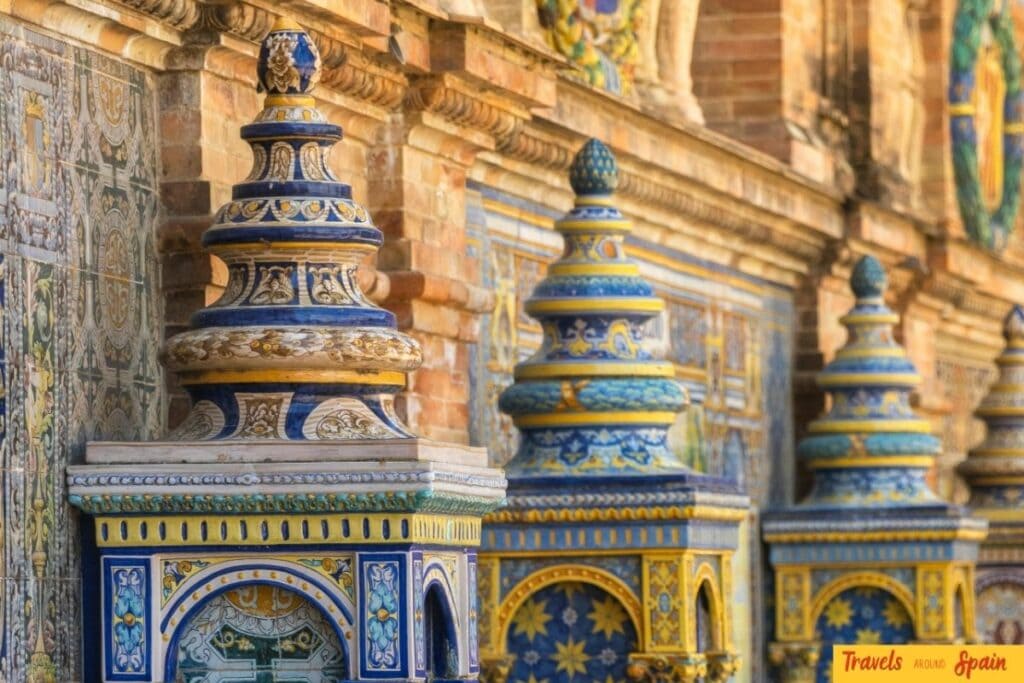
There is no better place to begin your first morning in Seville than Plaza de España. Even if you have already seen photos online, the reality is somehow even more impressive. The huge semi-circular building, colourful ceramic bridges, and grand canal make it one of the most spectacular landmarks anywhere in Spain.
When I visited Seville, this was the place that completely exceeded expectations. The scale of the plaza is enormous and there is so much detail that it is easy to spend longer here than planned. Each tiled alcove represents a different Spanish province, adding even more character to the square.
Built for the 1929 Ibero-American Exposition, the plaza remains one of Seville’s most photographed locations. Film fans may also recognise it from Star Wars: Episode II – Attack of the Clones.
If possible, try to arrive earlier in the morning before both the crowds and temperatures increase. During summer especially, the open space can become extremely hot by midday. Afterwards, continue into nearby María Luisa Park for some shade before the next stop on your itinerary.
Explore María Luisa Park
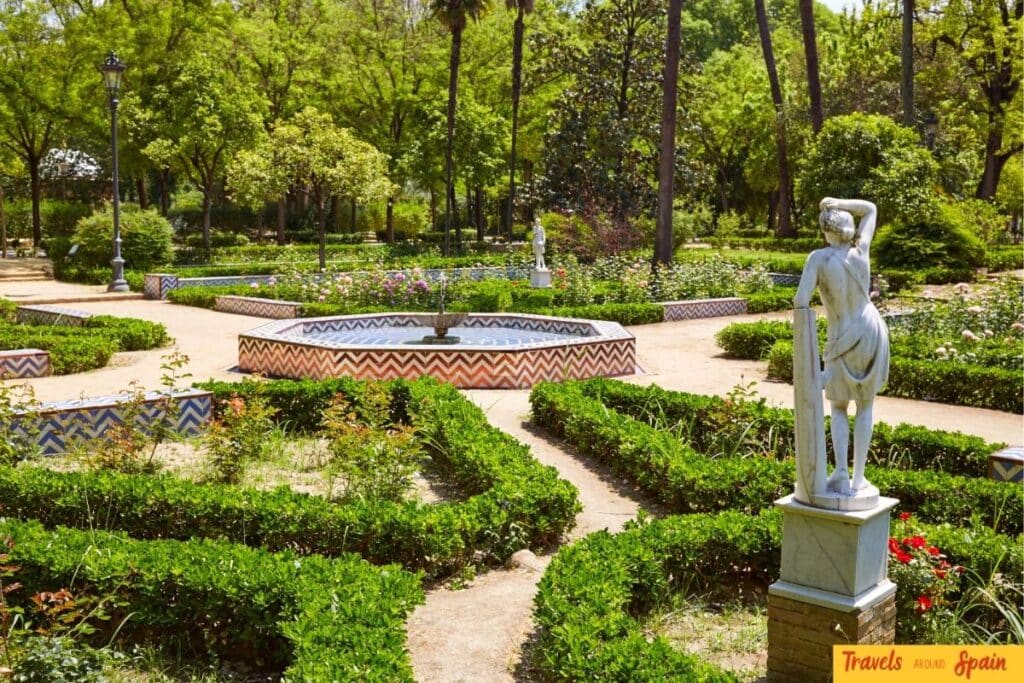
Right beside Plaza de España, María Luisa Park offers a welcome escape from the busy tourist areas and summer heat. Filled with palm trees, fountains, shaded pathways, and colourful gardens, it is one of the most relaxing parts of the city.
After walking around Plaza de España, this is the perfect place to slow down for a while before continuing your itinerary. During my visit in August, the shaded areas here honestly felt like a lifesaver compared to the exposed open spaces nearby.
Originally part of the gardens of the San Telmo Palace, the park was later donated to the city and transformed into the beautiful public space visitors see today. It now covers a huge area and is popular with both tourists and locals.
You do not need a strict plan here. Part of the charm of María Luisa Park is simply wandering through the different pathways, stopping by fountains, and enjoying a quieter side of Seville before heading back into the historic centre.
Slow Down With Tapas And Drinks
After exploring Plaza de España and María Luisa Park, this is the perfect point in the itinerary to slow down for a while and escape the afternoon heat. Seville is one of the best cities in Spain for tapas, and taking a long, relaxed break is honestly part of the experience rather than simply a stop between attractions.
Around the nearby streets and towards the historic centre, you will find countless tapas bars serving Andalusian favourites like jamón ibérico, croquetas, patatas bravas, and espinacas con garbanzos. A cold drink and shaded terrace can feel especially welcome during the hotter months.
If you are visiting during peak tourist season, it is worth avoiding restaurants directly beside the biggest landmarks where prices are often higher and menus can feel more tourist-focused. Some of the best tapas spots are usually found a few streets away from the busiest areas.

Visit Seville Cathedral
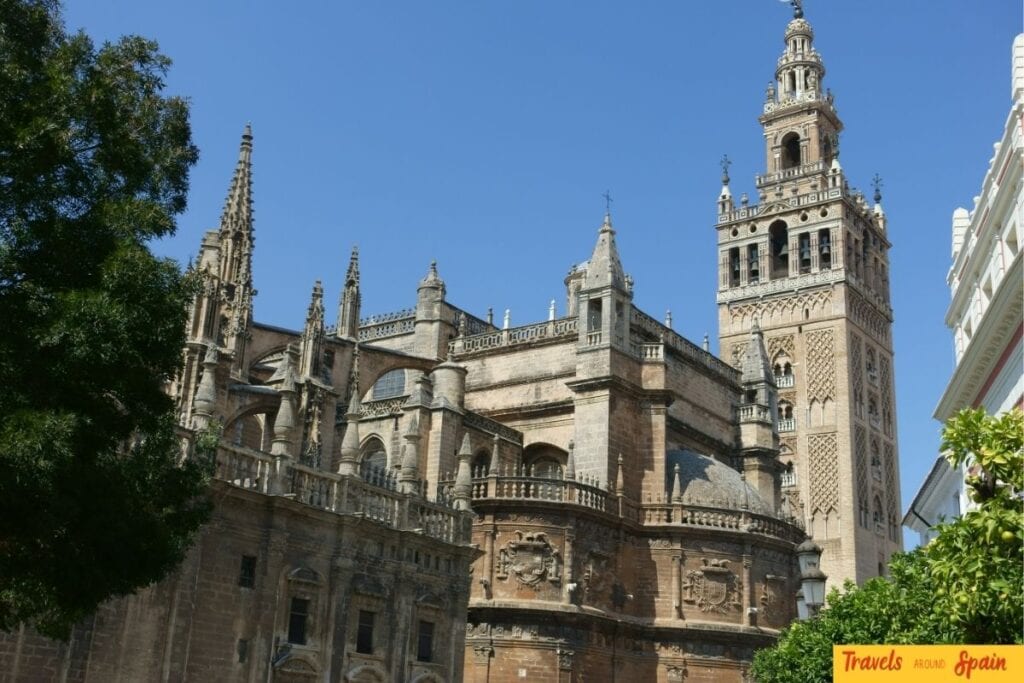
After slowing down with tapas and drinks, continue into the heart of Seville to visit one of the city’s most famous landmarks, Seville Cathedral. As the largest Gothic cathedral in the world, it is impossible to miss and easily one of the highlights of any trip to the city.
Inside, you will find enormous vaulted ceilings, ornate chapels, impressive artwork, and countless historical details spread throughout the cathedral. The scale of the interior is genuinely impressive and it is easy to spend far longer here than expected.
The cathedral was built on the site of a former mosque following the Christian reconquest of Seville. You can still see traces of this history today, particularly with La Giralda, which originally served as the mosque’s minaret before later becoming the cathedral’s bell tower.
If possible, try to book tickets in advance, especially during peak tourist season when queues outside can become extremely long. Visiting later in the afternoon can also help you avoid some of the largest tour groups.
See The Tomb Of Christopher Columbus
One of the most famous sights inside Seville Cathedral is the tomb of Christopher Columbus. The enormous monument is carried by four figures representing the historic kingdoms of Castile, León, Aragon, and Navarre, making it one of the cathedral’s most striking features.
Seeing the tomb in person feels surprisingly impressive because of both its scale and symbolism. Whilst historians still debate whether all of Columbus’ remains are actually buried here, it remains one of Seville’s most visited historical attractions.
The monument also reflects Seville’s importance during the Age of Exploration. Following Columbus’ voyages, the city became one of Spain’s most important trading hubs, connecting Europe with the Americas through the Guadalquivir River.
Climb La Giralda
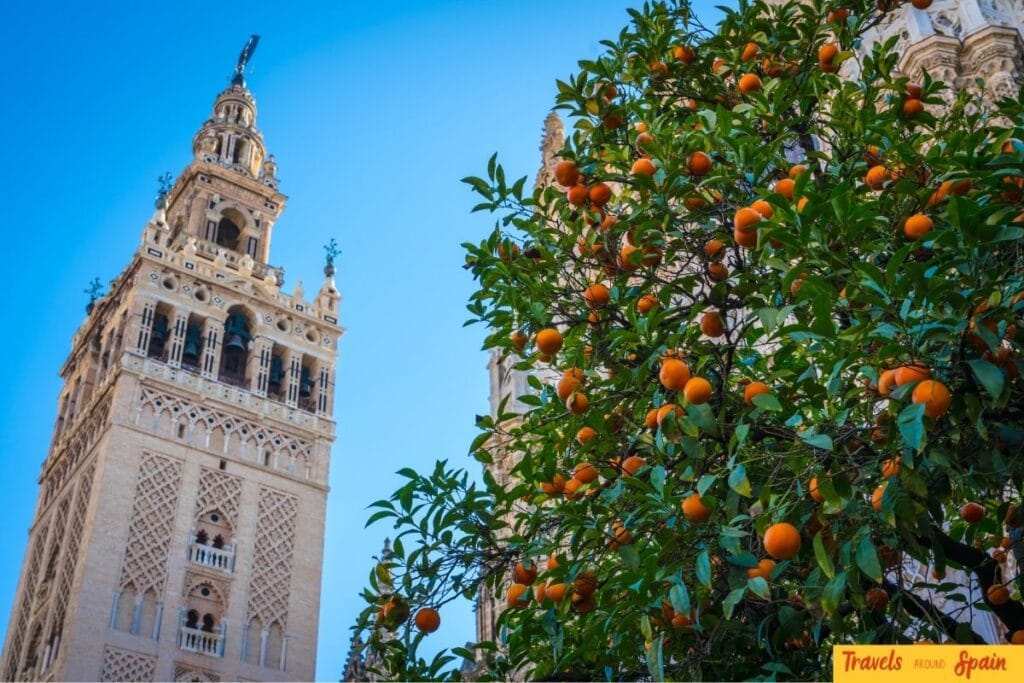
After exploring the cathedral, make sure you climb La Giralda, Seville’s iconic bell tower. Originally built as the minaret for the city’s mosque under Moorish rule, it later became part of the cathedral following the Christian reconquest.
One thing that makes La Giralda unusual is that instead of stairs for most of the ascent, there are ramps leading to the top. These were originally designed so riders on horseback could access the upper levels more easily.
The climb is well worth the effort for the panoramic views across Seville. From the top, you can see the rooftops of Santa Cruz, the cathedral below, the Guadalquivir River, and much of the wider city stretching into the distance.
If you are visiting in summer, this is another attraction best experienced earlier in the day before the temperatures become too intense.
Wander Through The Santa Cruz Neighbourhood
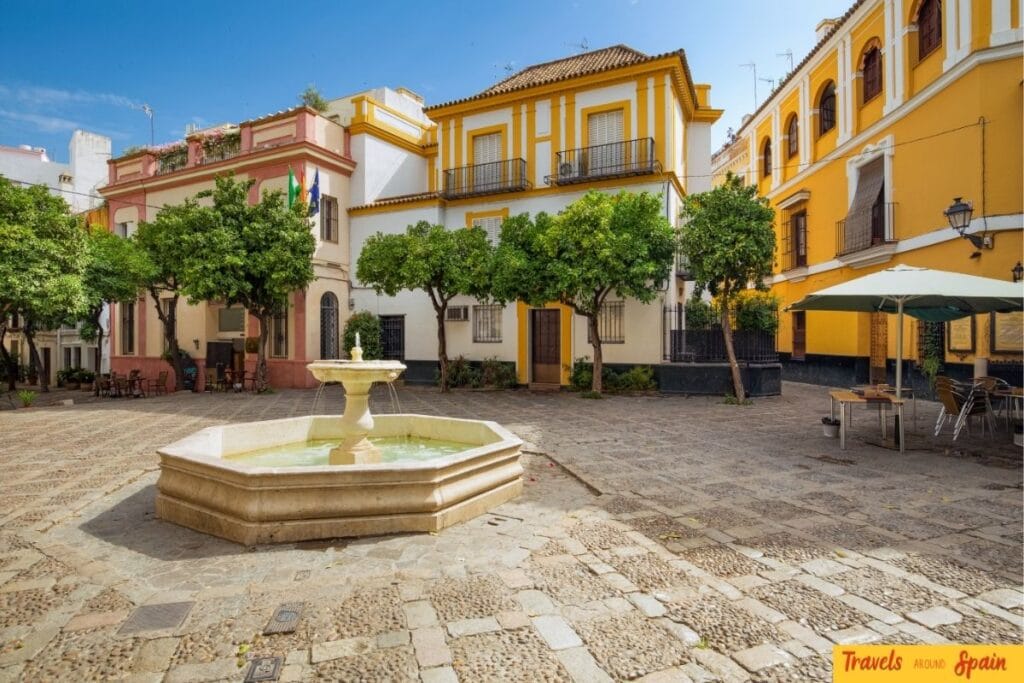
After visiting La Giralda, spend some time wandering through Santa Cruz, Seville’s most atmospheric neighbourhood. Filled with narrow cobbled streets, hidden courtyards, colourful buildings, and small plazas, this is the part of Seville that feels most postcard-perfect.
Originally the city’s historic Jewish quarter, Santa Cruz is now one of the most popular areas for visitors, although it still manages to retain plenty of charm away from the busiest streets. Getting slightly lost here is honestly part of the experience.
As you explore, you will come across shaded squares, orange trees, tiny tapas bars, and beautiful old houses decorated with flowers. Compared to the grand landmarks earlier in the day, Santa Cruz offers a slower and more intimate side of Seville.
Santa Cruz is best explored without too much of a plan, allowing time to discover hidden courtyards, quiet streets, and small plazas away from the busiest tourist routes.
Watch A Flamenco Show At Casa De La Memoria
No trip to Seville feels complete without experiencing flamenco, and watching a performance at Casa de la Memoria ended up being one of the highlights of my visit. Compared to some of the larger tourist-focused shows, the atmosphere here felt much more intimate and authentic.
The performances focus purely on the flamenco itself without distractions like dinner service or oversized theatre productions. Instead, the attention stays firmly on the dancers, singers, and musicians, which makes the experience feel far more emotional and immersive.
Even if you are not normally someone who watches dance performances, flamenco in Seville feels different because of its deep connection to Andalusian culture and identity. The passion and intensity of the performance honestly surprised me and it was one of the moments that made Seville feel truly unforgettable.
Tickets for Casa de la Memoria often sell out in advance, especially during weekends and peak tourist season, so it is worth booking ahead if you want to include it in your itinerary.

Day 2 In Seville: Palaces, River Views And Local Atmosphere
Your second day in Seville focuses on the city’s incredible Moorish history and riverfront atmosphere. . After covering many of the major landmarks on day one, today is more about slowing the pace slightly and enjoying the city itself.
The highlight of the morning is undoubtedly the Real Alcázar, one of the most beautiful buildings anywhere in Spain. From there, the itinerary moves towards the riverfront, historic towers, modern viewpoints, and some of Seville’s liveliest neighbourhoods.
If possible, I would again recommend starting fairly early, especially during warmer months. Not only does this help avoid the worst of the heat, but it also gives you a calmer experience at some of Seville’s busiest attractions.
Visit The Real Alcázar Of Seville
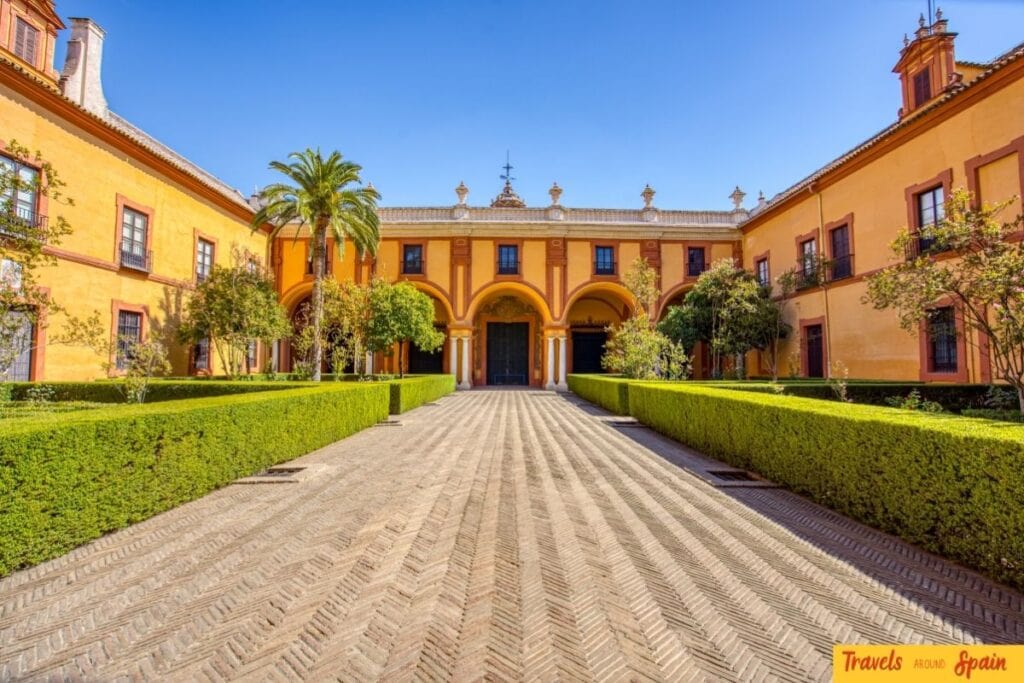
If there is one attraction in Seville that you absolutely should not miss, it is the Real Alcázar. The palace complex is one of the most beautiful places in Spain and easily one of the highlights of any 2 days in Seville itinerary.
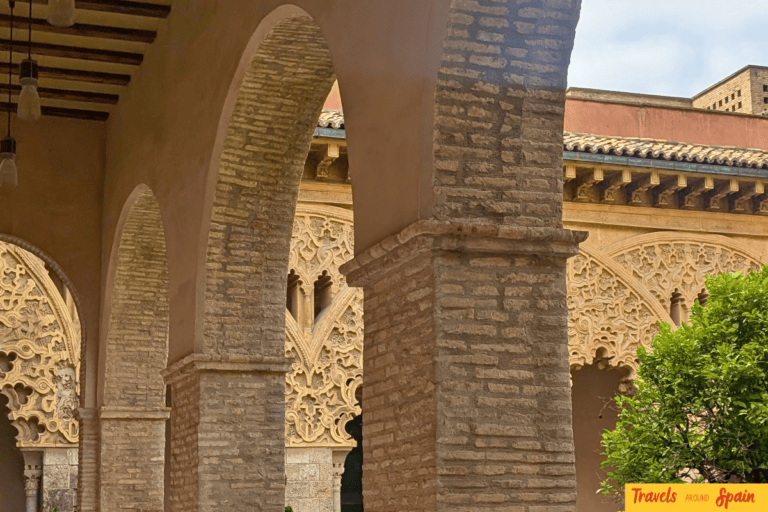
Originally developed as a Moorish fortress before later becoming a royal palace, the Alcázar showcases a fascinating mix of Islamic, Gothic, Renaissance, and Baroque architecture. The intricate tilework, detailed archways, colourful courtyards, and carved ceilings make almost every room feel impressive.
One of the things that stood out most to me was how peaceful parts of the palace felt despite how popular it is with visitors. It is the sort of place where you constantly notice small details you missed moments earlier.
Fans of Game of Thrones may also recognise sections of the Alcázar as the Water Gardens of Dorne, although honestly the palace hardly needs the television connection to feel memorable.
This is another attraction where booking tickets in advance is highly recommended. The Real Alcázar is one of Seville’s busiest sights and queues can become extremely long during peak tourist season.
Explore The Alcázar Gardens
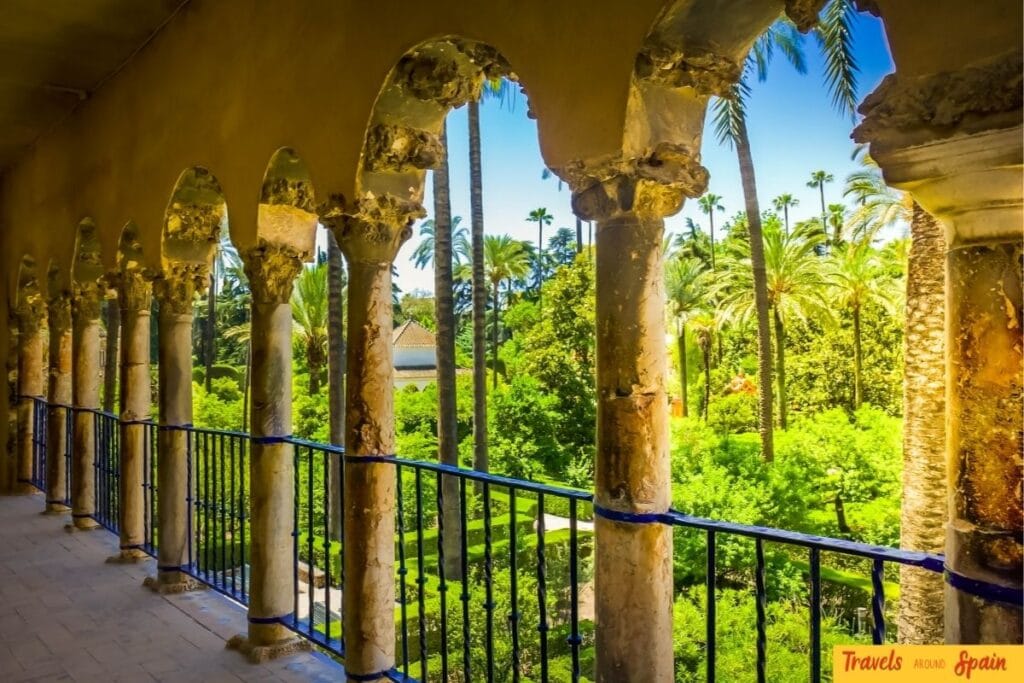
After exploring the palace itself, make sure you spend time wandering through the Alcázar Gardens, which are just as impressive as the interiors. Filled with palm trees, fountains, tiled pathways, and shaded courtyards, they offer a completely different atmosphere to the more detailed rooms inside.
The gardens are surprisingly large, and it is easy to lose track of time as you move between the different sections. Some areas feel formal and structured, whilst others are quieter and more relaxed, making them perfect for slowing the pace after the busy palace rooms.
One of the best things about the gardens is how peaceful they can feel, especially if you step slightly away from the main routes. During warmer months, the shaded pathways also provide a welcome break from the sun.
Take your time here rather than rushing through. The Real Alcázar is not just about the architecture, but also about enjoying the atmosphere, and the gardens are a big part of what makes the visit so memorable.
Wander Towards El Arenal
After leaving the Real Alcázar, take some time to wander towards El Arenal, one of Seville’s most vibrant neighbourhoods. The route itself is part of the experience, taking you through a mix of historic streets, small plazas, and lively local spots.
As you move away from the palace area, the atmosphere gradually shifts from grand landmarks to a more everyday Seville. You will pass traditional buildings, local cafés, and quieter corners that feel less focused on sightseeing and more on daily life.
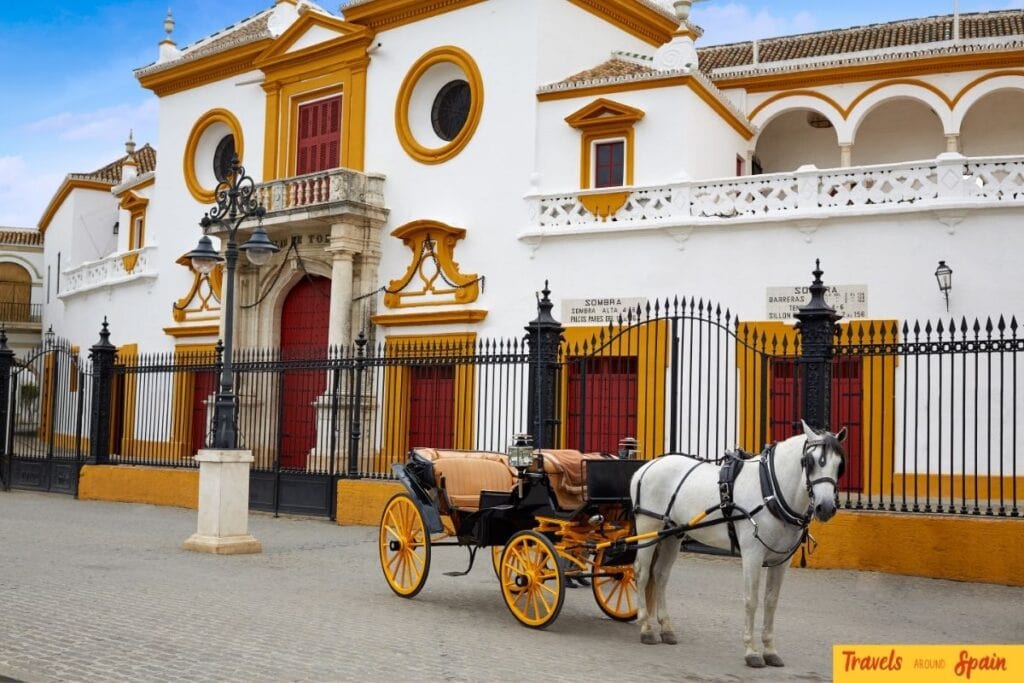
El Arenal sits between the cathedral and the river, making it a natural transition point in your itinerary. It is also an area closely linked to Seville’s bullfighting history and maritime past, which adds another layer of character to explore.
Climb Torre Del Oro
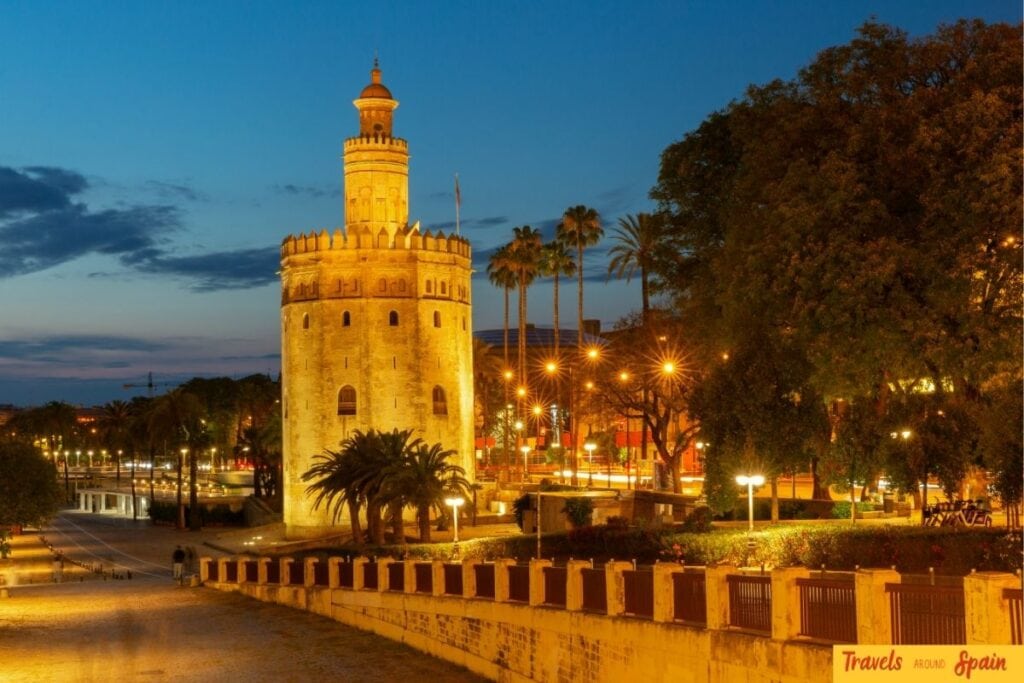
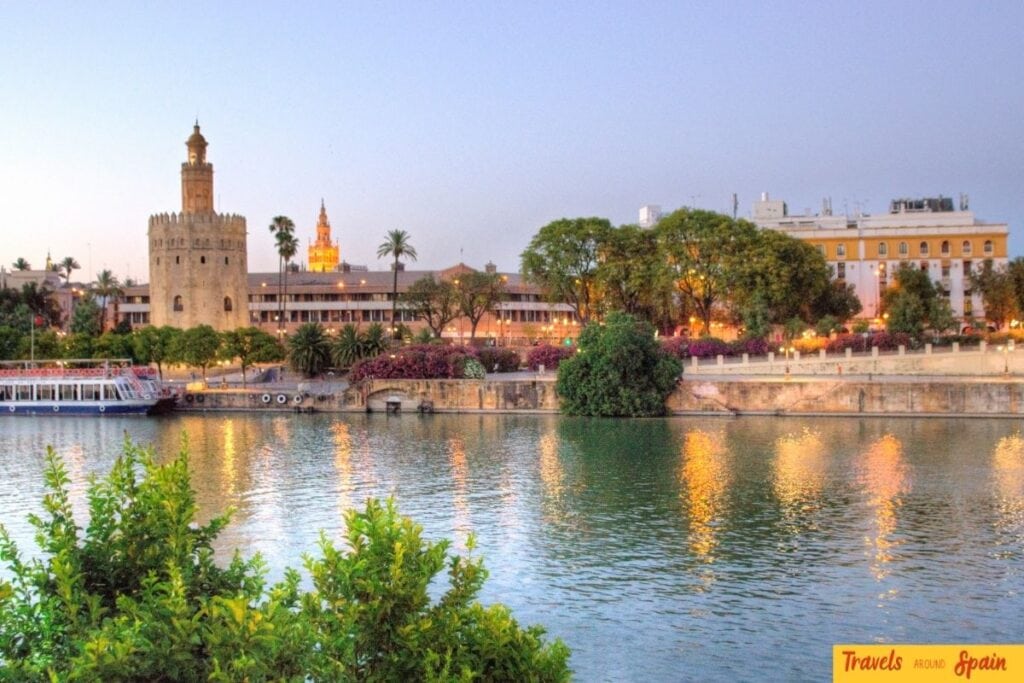
As you reach the riverfront, one of the first landmarks you will come across is Torre del Oro, a historic watchtower that has stood on the banks of the Guadalquivir River for over 800 years.
Originally built during the Moorish period, the tower was used to control access to the river and protect the city from naval attacks. Its name, which translates to “Tower of Gold,” is thought to come from the golden reflection it once cast across the water.
Today, Torre del Oro is one of Seville’s most recognisable landmarks and offers a small museum inside, along with views from the top across the river and city. Whilst it is not as large or as famous as some of Seville’s other attractions, it is worth a short visit, especially given its location.
Even if you decide not to go inside, the area around the tower is a great place to pause for a moment. The combination of historic architecture, river views, and passing boats creates a completely different atmosphere compared to the busy streets around the cathedral.
Walk Along The Guadalquivir River
From Torre del Oro, continue your route with a walk along the Guadalquivir River, one of the most relaxed and scenic parts of Seville. After the busier streets around the cathedral and Alcázar, the riverfront offers a much more open and laid-back atmosphere.
The promenade is lined with palm trees, benches, and viewpoints, making it a great place to slow down and take in a different side of the city. You will often see locals cycling, jogging, or simply sitting by the water, which gives the area a more everyday feel compared to the main tourist spots.
As you walk along the river, you will also get some great views back towards the historic centre, with landmarks like Torre del Oro standing out against the skyline. Depending on how far you go, you may also spot bridges like Triana Bridge connecting different parts of the city.
Stop For Lunch In El Arenal
By this point, you will be ready for a proper break, and El Arenal is one of the best areas in Seville to stop for lunch. Located between the historic centre and the river, it offers a great mix of traditional tapas bars and slightly more modern restaurants.
This is a good moment in the itinerary to slow things down again. After a morning of exploring the Real Alcázar and walking along the river, sitting down for a relaxed meal feels well earned and very much in line with the rhythm of the city.
You will find plenty of classic Andalusian dishes here, from jamón ibérico and grilled seafood to more filling options like paella or meat dishes. Many places also offer outdoor seating, which creates a great atmosphere, especially if the weather is mild.
As with most central areas in Seville, it is worth stepping a street or two away from the main tourist routes to find better value and more authentic spots. Some of the best meals often come from places that look simple from the outside but are filled with locals.
Visit Metropol Parasol
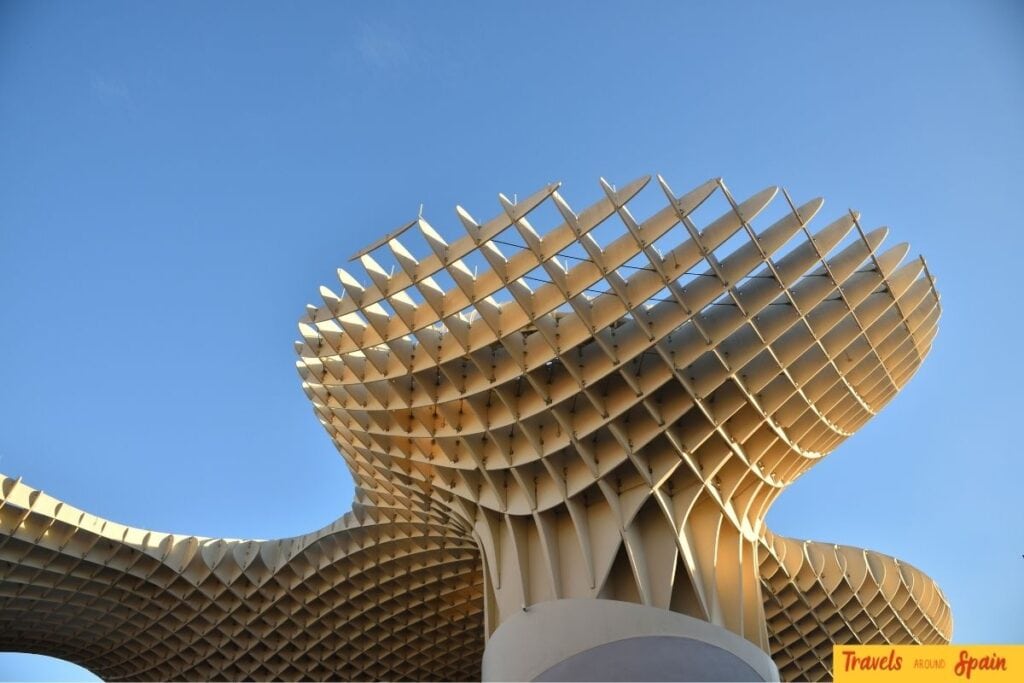
After lunch, make your way towards Metropol Parasol, one of Seville’s most modern and unusual landmarks. Often referred to as “Las Setas” (The Mushrooms), its striking wooden structure provides a sharp contrast to the historic buildings you have been exploring throughout the city.
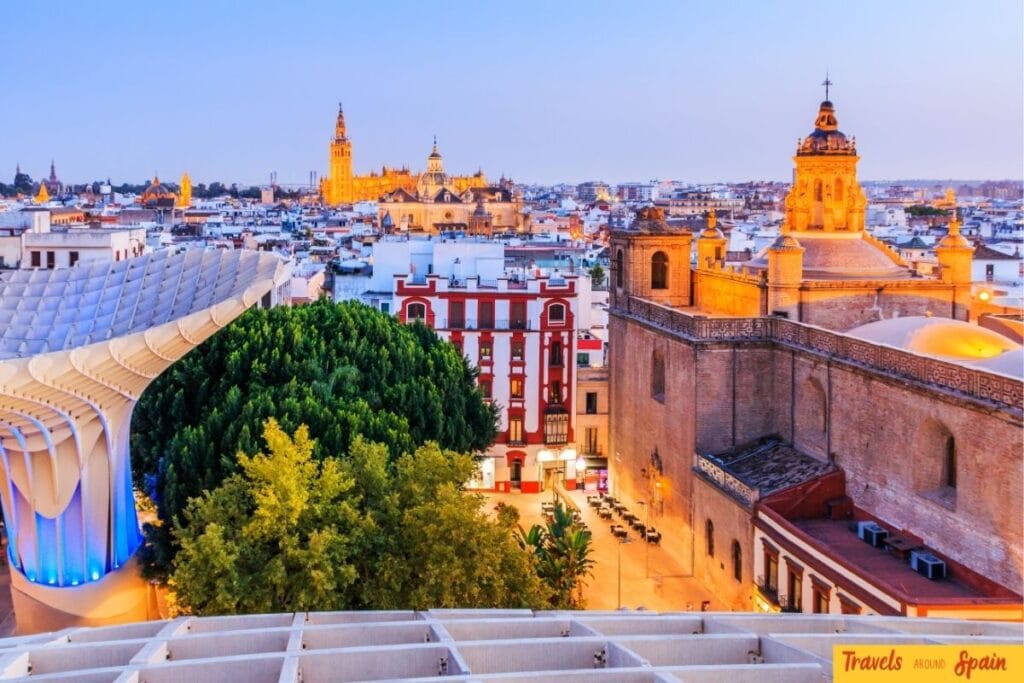
Located in Plaza de la Encarnación, Metropol Parasol offers one of the best viewpoints in Seville. You can walk along the elevated pathways at the top and enjoy panoramic views across the rooftops of the city, which feel very different from those at La Giralda.
The structure itself is impressive up close, but it is the views that really make it worth visiting. From here, you can see how Seville blends old and new, with church towers, traditional buildings, and modern architecture all visible at once.
Late afternoon is a great time to visit. The temperatures are usually more manageable, and the lighting begins to soften, making it a perfect lead-in to sunset.
Experience Seville At Sunset
As the day begins to cool, Seville takes on a completely different atmosphere. The intense heat of the afternoon fades, the streets start to fill again, and the city feels much more alive.
Whether you are near Metropol Parasol, back by the river, or wandering through the historic centre, sunset is one of the best times to experience Seville’s atmosphere.
The light at this time of day also adds something special to the city. Warm tones reflect off the buildings, the sky changes colour over the rooftops, and places like the Guadalquivir River or nearby viewpoints become even more photogenic.
After a full day of exploring, this quieter moment helps balance the itinerary and gives you a chance to experience Seville at its most relaxed before heading into the evening.
End Your Evening With Rooftop Drinks Or Riverside Views
To round off your second day in Seville, spend the evening enjoying the city’s atmosphere rather than trying to fit in more sightseeing. After a full day of exploring, this is the perfect time to relax and take in Seville at a slower pace.
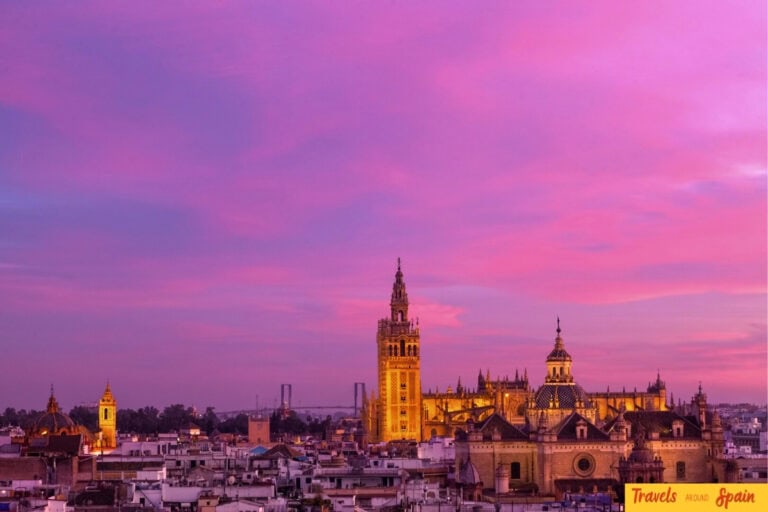
Rooftop bars are a popular choice, offering fantastic views across the city as the lights begin to come on. Watching the skyline change from day to night, with landmarks like Seville Cathedral and La Giralda lit up, creates a memorable end to the day.
Alternatively, heading back towards the Guadalquivir River provides a quieter and more laid-back option. The riverside has a completely different feel in the evening, with locals out walking, couples sitting by the water, and a gentle buzz that feels far removed from the daytime crowds.
Whichever you choose, this part of the evening is less about plans and more about enjoying the moment. Seville is a city that comes alive at night, and simply being part of that atmosphere is one of the best experiences you can have.
Alternative Things To Do In Seville If You Have More Time
If you have an extra day in Seville or want to swap out part of this itinerary, there are plenty of other experiences worth considering. Whilst two days is enough to see the main highlights, the city has much more to offer beyond the typical tourist route.
Explore The Triana Neighbourhood
Located across the Guadalquivir River, Triana has a very different feel compared to the historic centre. Traditionally known as the home of flamenco and ceramics, it offers a more local and authentic side of Seville.
Walking through Triana feels less polished and more lived-in, with busy local bars, markets, and a strong community atmosphere. It is a great place to experience Seville beyond the main tourist areas.
Visit The Archivo De Indias
Close to Seville Cathedral, the Archivo de Indias is a fascinating but often overlooked attraction. The building houses important documents relating to Spain’s empire in the Americas and offers an interesting insight into Seville’s role during the Age of Exploration.
Even if you only spend a short time here, it adds useful historical context to many of the places you will have already visited.
Take A Seville Food Tour
If you want to dive deeper into the city’s food scene, a guided food tour can be a great addition to your trip. Whilst it is easy to enjoy tapas independently, having a local guide can help you discover dishes and places you might otherwise miss.
Food tours are also a good way to learn more about Andalusian cuisine and how it connects to the region’s history and culture.
Day Trips From Seville
If you are using Seville as a base, there are several fantastic day trips worth considering depending on your interests.
One of the most popular options is visiting Granada to see the Alhambra. This stunning palace complex is one of the most famous landmarks in Spain and offers a completely different atmosphere to Seville, with its mix of Moorish architecture and mountain views. If you are interested in planning this, check out my guide on a day trip from Seville to Granada for a detailed breakdown.
Another great option is Córdoba, which is much closer and easier to reach. The city is famous for the Mezquita-Catedral, one of the most unique buildings in Spain, along with its charming old town filled with flower-lined streets and patios.
For something a little different, consider visiting Ronda, a dramatic hilltop town known for its deep gorge and impressive bridge, Puente Nuevo. It offers some of the most striking views in Andalusia and feels very different from the larger cities.
Each of these destinations adds a different perspective to your Andalusia trip, whether you are looking for history, architecture, or scenic landscapes.
Tips For Spending 2 Days In Seville
Spending two days in Seville is more than enough to see the main highlights, but a few simple tips can make your trip much smoother and far more enjoyable.
Start Sightseeing Early In Summer
If you are visiting during the warmer months, starting your day early makes a huge difference. Temperatures in Seville can rise quickly, and sightseeing is far more comfortable in the morning before the midday heat sets in.
Wear Comfortable Shoes
You will be doing a lot of walking, particularly through areas like Santa Cruz with its cobbled streets. Comfortable footwear is essential if you want to enjoy the city without discomfort.
Plan Around Afternoon Heat
Seville’s summer temperatures are no joke. Building in breaks, slowing down in the afternoon, and saving indoor attractions like Seville Cathedral for the hottest parts of the day can make your itinerary much more manageable.
Book Major Attractions Ahead Of Time
Places like the Real Alcázar and Seville Cathedral often sell out, especially during peak seasons. Booking ahead not only guarantees entry but also helps you structure your day more efficiently.
Don’t Try To See Everything
One of the easiest mistakes to make in Seville is trying to pack too much into a short trip. Leaving some flexibility in your itinerary gives you more time to enjoy tapas bars, hidden streets, and the relaxed atmosphere that makes the city feel so memorable.
FAQs about 2 days in Seville
Is 2 Days Enough In Seville?
Yes, 2 days in Seville is enough to see the city’s main highlights, including the Real Alcázar, Seville Cathedral, and Plaza de España, whilst still enjoying tapas, flamenco, and the overall atmosphere. If you prefer a slower pace or want to add day trips, you could easily extend your stay.
What Is The Best Month To Visit Seville?
The best time to visit Seville is usually spring (March to May) or autumn (September to October). These months offer warm temperatures without the extreme heat of summer, making sightseeing much more comfortable.
Is Seville Walkable For Tourists?
Yes, Seville is one of the most walkable cities in Spain. Most major attractions are located within the historic centre, making it easy to explore places like Santa Cruz, the cathedral, and the Alcázar on foot.
Should I Book Alcázar Tickets In Advance?
Yes, it is highly recommended to book tickets for the Real Alcázar in advance. It is one of Seville’s most popular attractions and often sells out, especially during peak tourist seasons.
What Should I Not Miss In Seville?
Some of the top things you should not miss include the Real Alcázar, Seville Cathedral, La Giralda, Plaza de España, and watching a traditional flamenco show. These experiences capture the essence of the city.
Where Should First-Time Visitors Stay In Seville?
For first-time visitors, staying in Santa Cruz or El Arenal is ideal. Both areas are central, walkable, and close to Seville’s main attractions, making them perfect for a short stay.
Final Thoughts on 2 Days in Seville
Seville is one of those cities that stays with you long after you leave. From the intricate beauty of the Real Alcázar to the energy of a live flamenco performance and the simple pleasure of wandering through Santa Cruz, it offers a travel experience that feels both rich and relaxed at the same time.
Two days is the perfect amount of time to experience the highlights without feeling rushed. By balancing iconic landmarks with slower moments, tapas breaks, and time to simply enjoy the atmosphere, you will get a real sense of what makes Seville so special.
Whether it is your first visit to Spain or part of a wider Andalusia itinerary, Seville is a city that delivers on every level. Take your time, embrace the slower pace, and you will likely find yourself already planning a return trip before you leave.