

Best Time to Visit Seville:
Complete Month-by-Month Guide 2025
Perfect weather, fewer crowds, authentic experiences – timing matters
By Liam Mulligan | Published on July 18, 2025 |Modified on September 27, 2025

Looking for the best time to visit Seville? This comprehensive Seville weather guide reveals everything about Spain’s captivating Andalusian capital. A gorgeous city of fragrant orange trees, stunning Moorish architecture and mesmerising flamenco performances, Seville offers year-round appeal with distinct seasonal advantages.
Understanding Seville’s climate is crucial for timing your perfect trip. From mild winter temperatures with fewer crowds to the magical orange blossoms in late February and early March, through to intense summer heat, this Seville seasonal guide covers every month’s unique character.
I first visited Seville in August 2012 (more on why that timing wasn’t ideal later!) and fell in love with the city. Knowing when to visit Seville can transform your experience from battling extreme heat to enjoying one of your most memorable weekends.
With weather, crowds, prices and events all impacting your decision, choosing the best month to visit Seville requires insider knowledge.
Join me for a detailed month-by-month breakdown to make your Seville trip truly unforgettable.
Quick Summary: Best Times Overview
Short on time? Here’s your instant guide to the best time to visit Seville.
- Best overall: April-May, September-October
Perfect weather and manageable crowds make these the best months for Seville. Ideal temperatures for exploring without battling extreme heat. - Budget travellers: November-March (except Easter)
Low season means cheaper accommodation and fewer crowds. Great value for Seville travel outside peak European holidays. - Event lovers: March-April (Semana Santa, Feria)
Cultural calendar highlights with world-famous Easter processions and traditional spring fair celebrations. - Avoid if possible: July-August (extreme heat)
Scorching temperatures make daytime sightseeing unbearable. Even locals escape the city during peak summer! Trust me – I experienced those 40°C August days firsthand!
PLAN YOUR SPANISH ADVENTURE WITH MY FAVOURITE RESOURCES
Best Accommodation Site: Booking.com
Book Day Tours Here: Get Your Guide
Book Airport Transfers Here: Holiday Taxis
Month-by-Month Breakdown
Ready for the full picture? Here’s your detailed month-by-month guide to Seville, covering everything from weather patterns to festival seasons to help you plan the perfect trip.
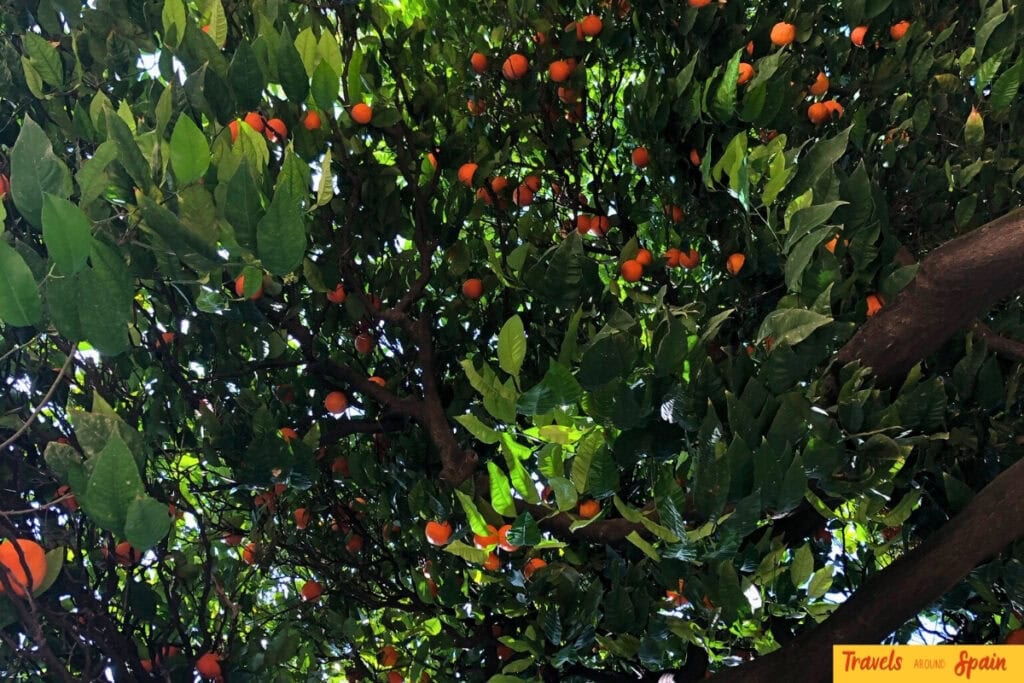
Seville in January
Seville in January offers the city’s most authentic experience with temperatures ranging 8-16°C and occasional rainfall. This low season brings significant advantages including minimal crowds, cheap accommodation, and genuine local atmosphere without tourist masses.
Perfect for budget travellers seeking cultural immersion, though some attractions operate reduced hours, so check timings carefully. The Three Kings Day celebrations on 6th January provide a wonderful insight into Spanish traditions and culture.
January weather remains pleasant for sightseeing despite being the coolest month, with cool conditions ideal for exploring the city’s historic sites and experiencing authentic local life away from the summer crowds.
Seville in February
Seville in February remains ideal for budget travellers, continuing January’s advantages of minimal crowds, excellent hotel deals, and authentic local atmosphere. February weather features mild but variable temperatures of 9-17°C, perfect for sightseeing despite occasional rain and limited daylight hours.
The month offers beautiful almond blossoms throughout the city, creating stunning natural backdrops for photography. February in Seville also marks the beginning of flamenco festival season, providing opportunities to experience this traditional Andalusian art form before tourist crowds arrive.
The combination of affordable accommodation, cultural events, and pleasant spring-like conditions makes February an excellent choice for experiencing authentic Seville.
Seville in March
Seville in March marks the transition to pleasant spring weather with reduced rainfall and warming temperatures of 11-20°C, creating ideal sightseeing conditions. The tail end of orange blossom season may still perfume the city streets if you visit early March.
March in Seville often coincides with Semana Santa preparations, building excitement for Spain’s most spectacular Easter celebrations. However, if Semana Santa falls in March, expect significant crowds and premium accommodation prices, making this period less suitable for budget travellers.
The March weather offers perfect conditions for exploring Seville’s historic sites, though booking well in advance becomes essential during religious festival periods.
Seville in April
Seville in April represents the best time to visit Seville for many travellers, offering ideal spring conditions with temperatures of 13-22°C, perfect for sightseeing. The city comes alive with Easter celebrations during Semana Santa, followed by the vibrant Feria de Abril, providing unparalleled cultural immersion.
April in Seville showcases the city in full bloom with perfect weather for exploring historic sites and outdoor dining. However, expect higher accommodation prices and significant crowds during Semana Santa period.
The combination of ideal temperatures, world-class festivals, and blooming orange trees makes April worth the premium pricing for those seeking the ultimate Seville experience.

Seville in May
Seville in May presents another fantastic option when considering the best time to visit Seville. The May weather delivers warm and sunny conditions with temperatures of 17-26°C, ideal for sightseeing without becoming overbearing.
May in Seville offers longer daylight hours and manageable crowds before peak tourism season arrives. The Cross of May festivals provide authentic glimpses into local Seville life and traditions throughout the month.
While accommodation prices begin rising and tourist numbers increase, May’s excellent weather and extended days make it perfect for exploring the city’s outdoor attractions, rooftop bars, and historic sites comfortably.
Seville in June
Seville in June marks the beginning of challenging summer weather as temperatures climb to 21-31°C, making daytime sightseeing increasingly uncomfortable. The heat becomes more demanding for walking tours and outdoor exploration.
However, June in Seville compensates with long sunny days providing extended sightseeing hours and a vibrant atmosphere as summer crowds begin arriving. The city’s energy shifts into high gear with summer festival season beginning.
June weather suits early morning and evening activities best, while the lively summer atmosphere and numerous outdoor events make it appealing for those who can handle rising temperatures and don’t mind sharing popular attractions with more tourists.
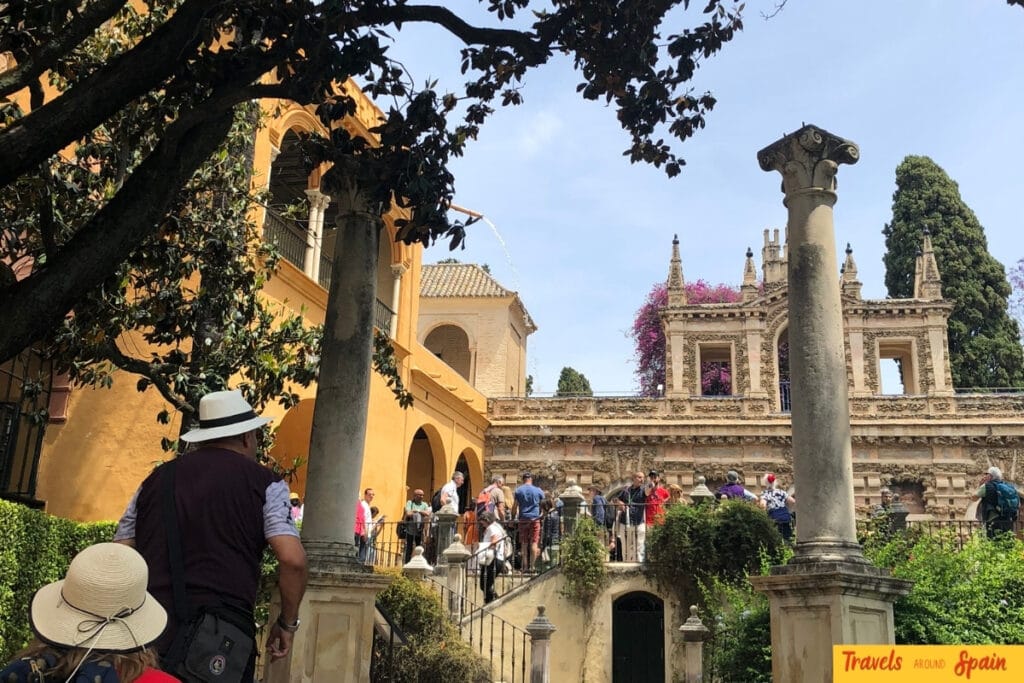
Seville in July
Seville in July enters challenging territory with scorching summer weather. Temperatures soar from 24°C to a sweltering 36°C, making daytime sightseeing genuinely uncomfortable and potentially dangerous during peak afternoon hours.
July in Seville transforms into a nocturnal city where vibrant nightlife thrives and rooftop terraces become essential refuges from the heat. Summer concerts and festivals provide evening entertainment when temperatures finally drop.
However, July weather coincides with peak tourist season, driving accommodation prices to yearly highs. The extreme heat and premium pricing make July suitable only for heat-tolerant travellers who prioritise Seville’s legendary nightlife scene over comfortable daytime exploration.
Seville in August
Seville in August represents the city’s most challenging month with scorching temperatures of 24-36°C, though heatwaves can push thermometers to 43°C as I experienced firsthand in 2012. The August weather makes daytime sightseeing genuinely unbearable, with even gentle breezes providing no relief.
August in Seville sees many locals escape elsewhere, causing numerous businesses to close and creating an oddly quiet atmosphere despite tourist presence.
While some travellers appreciate this different energy and reduced local crowds, the extreme heat and limited services make August unsuitable for most visitors. Cultural events become scarce as the city essentially hibernates during peak afternoon hours.
Seville in September
Seville in September marks the welcome return of manageable weather after August’s extreme heat. Temperatures of 21-31°C make sightseeing comfortable again, though early September can still feel quite warm.
September in Seville becomes increasingly appealing as crowds thin out with locals returning to work and school routines. The excellent weather combined with fewer tourists creates ideal conditions for exploring major attractions without summer’s overwhelming heat or masses.
Cultural season restarts in September, bringing renewed energy to the city’s arts and events calendar. For optimal conditions, visit during the second half of September when temperatures become most pleasant for extended outdoor exploration.

Seville in October
Seville in October delivers perfect autumn conditions and represents another best time to visit Seville. Temperatures of 16-26°C provide ideal sightseeing weather without summer’s oppressive heat or winter’s cooler conditions.
October in Seville combines excellent weather with practical advantages including fewer crowds and reasonable accommodation prices as peak season winds down. La Noche en Blanco (White Night) typically takes place in early October, offering free cultural programming throughout the city with museums, galleries, and historic sites open late into the night.
While daylight hours begin shortening, the ideal temperatures and reduced tourist numbers make October exceptional for experiencing Seville’s attractions, restaurants, and authentic local atmosphere without summer’s intensity or costs.
Seville in November
Seville in November proves ideal for travellers seeking mild weather and authentic experiences. While many Spanish cities cool significantly, Seville maintains pleasant temperatures of 11-20°C, making it perfect for a Spanish city break.
November in Seville brings low season prices, creating excellent opportunities for budget travellers to find accommodation bargains. With fewer tourists around, the month offers genuine local atmosphere and cultural immersion.
Flamenco season flourishes during November, alongside various gastronomy events celebrating Andalusian cuisine. Though some outdoor venues may close for winter, the great weather and reduced crowds make November exceptional for experiencing authentic Seville without peak season costs or masses.

Seville in December
Seville in December offers a surprisingly appealing opportunity to experience the city during winter months. Temperatures cool to 8-16°C, remaining comfortable for sightseeing despite shorter daylight hours and occasional rainfall.
December in Seville transforms with Christmas markets and festive atmosphere, adding unique seasonal charm to the historic streets. The budget-friendly month sees few tourists, resulting in significantly lower hotel prices and authentic local experiences.
Christmas celebrations and New Year festivities create magical atmospheres throughout the city, from traditional markets to illuminated historic monuments. While weather becomes more variable, December’s combination of festive atmosphere, reduced costs, and genuine local culture makes it ideal for travellers seeking authentic Seville without crowds.
Special Events Calendar
Seville festivals transform the city throughout the year, offering visitors incredible cultural experiences that showcase authentic Andalusian traditions. The crown jewel of Seville’s cultural calendar is Semana Santa Seville, the world-famous Easter processions held in March or April. These deeply moving religious celebrations feature elaborate floats, traditional costumes, and centuries-old rituals that attract visitors from across the globe.
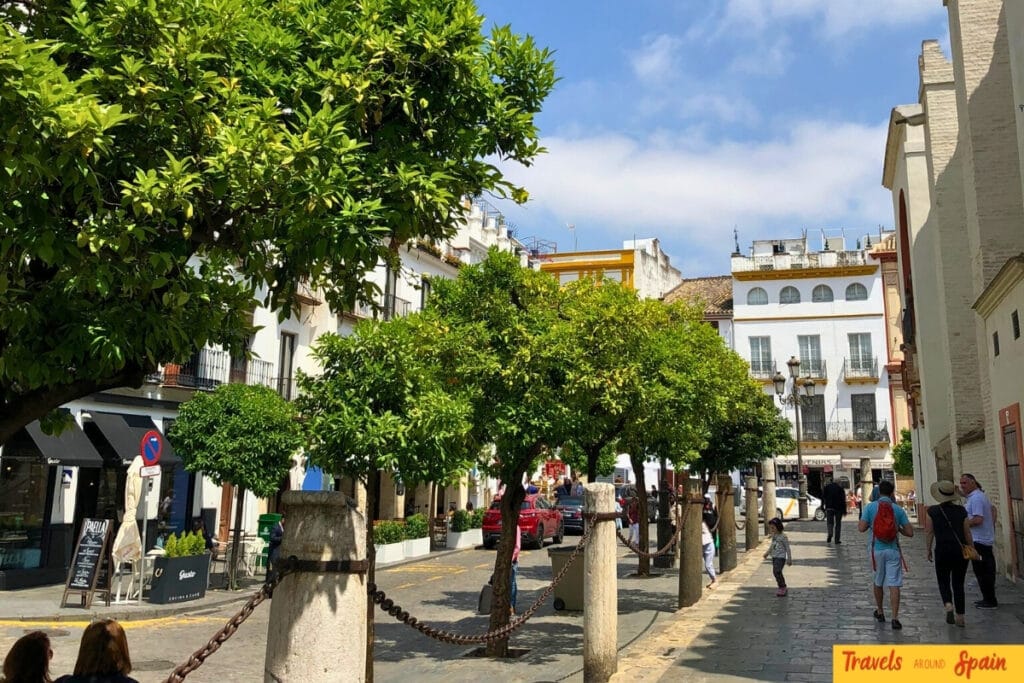
Following Easter, the Feria de Abril brings a completely different energy with its traditional spring fair featuring colourful casetas, flamenco dancing, and horse parades. Flamenco festivals occur throughout various months, providing authentic opportunities to witness this passionate Andalusian art form in intimate venues across the city.
The Christmas season in December creates a magical atmosphere with traditional festive markets, nativity scenes, and holiday celebrations that showcase local customs. Each Seville festival offers unique insights into the city’s rich cultural heritage, making timing your visit around these events particularly rewarding for cultural enthusiasts seeking authentic Spanish experiences.
Practical Tips by Season
Here are my essential Seville travel tips to ensure you have the best experience, no matter when you’re visiting Seville.
For spring and autumn trips, book accommodation well in advance as these are peak seasons with high demand. Pack layers to adapt to variable temperatures throughout the day. Summer visitors must prioritize staying hydrated, seek shade between 2-4 pm during peak heat, and ensure your accommodation has air conditioning – ours in 2012 was a lifesaver.
Winter travel requires a rain jacket for unpredictable weather and checking attraction opening hours, as many reduce winter schedules. During festival periods, particularly Semana Santa and Feria, book at least six months ahead and prepare for significant crowds throughout the city.
FAQs
What is the best month to visit Seville?
April and October offer the perfect combination of ideal weather, manageable crowds, and reasonable prices.
Should I avoid Seville in summer?
July and August are extremely hot (35°C+), but if you don’t mind the heat, you’ll find fewer crowds and vibrant nightlife.
When is Seville cheapest to visit?
November through February offer the lowest hotel prices and flight costs, with January being the most budget-friendly.
How hot does Seville get in summer?
Summer temperatures regularly exceed 35°C (95°F), with July and August seeing daily highs of 36-40°C (97-104°F).
When do orange trees bloom in Seville?
Orange tree blossoms appear from late February through April, creating a beautiful and fragrant atmosphere throughout the city.
Is Seville worth visiting in winter?
Absolutely! Winter offers mild temperatures (8-16°C), fewer crowds, authentic local atmosphere, and significant savings on accommodation.
How far in advance should I book for Semana Santa?
Book at least 6 months ahead for Semana Santa (Easter week), as this is Seville’s busiest and most expensive period.
What’s the rainy season in Seville?
November through February sees the most rainfall, though it’s typically light and intermittent rather than heavy downpours.
Final Thoughts: Best Time to Visit Seville
Now you know the best time to visit Seville based on your priorities and preferences. April-May and September-October remain the sweet spots, offering perfect weather, manageable crowds, and vibrant cultural events that make the city brim with authentic Andalusian life.
However, when to visit Seville ultimately depends on matching your personal travel style with seasonal advantages. Budget-conscious travellers will love winter’s affordable charm, while culture enthusiasts should target festival seasons. Consider mixing quiet months with event periods for the ultimate experience – perhaps a peaceful January visit followed by April’s spectacular Semana Santa.
Seville’s year-round appeal means there’s never truly a wrong time to explore this magnificent city. Start planning your perfect Seville timing today and prepare for an unforgettable Andalusian adventure that matches your ideal travel experience.
About Me

My name is Liam and I’m the owner and author of ‘Travels Around Spain’. I have been obsessed with Spain ever since my first visit 35 years ago. I am on a mission to visit and discover every part of this beautiful country and share all my hints and tips with you all.
Read more about my journey by clicking here.
Newest Posts



Read Next!
About the Author
