
Almería Desert, Moorish Fortresses, and Beaches
Almería In A Nutshell
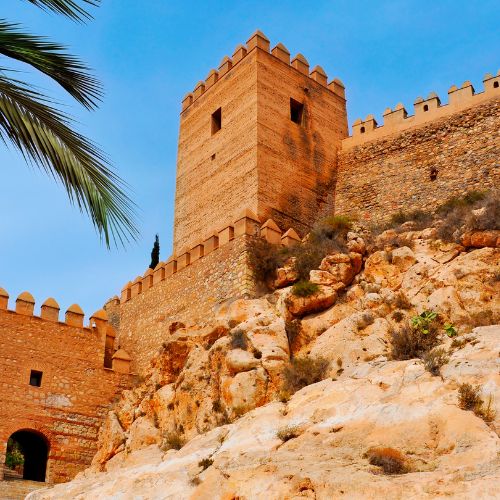
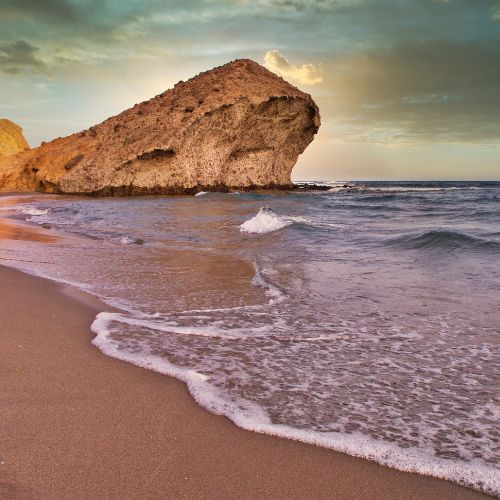
Almería is a sun-soaked city where desert landscapes meet the sparkling Mediterranean, creating a unique blend of rugged beauty and coastal calm. Known for its fortress-like Alcazaba and wide, sandy beaches, it’s a place that feels both ancient and effortlessly relaxed.
Explore the winding streets of the old town, discover hidden coves along the coast, or soak up the laid-back vibe in one of its many tapas bars. Almería offers a slower pace and striking contrasts—a perfect escape for those seeking history, nature, and authentic Andalusian warmth.
Best Time to Visit Almería

April–June & September–October – Warm, sunny days and cooler nights make these months perfect for exploring Almería’s desert landscapes, beaches, and historic Alcazaba without the summer scorch.
July–August – Hot and dry, ideal if you love sunbathing and beach parties, but be prepared for high temperatures.

Fiestas de la Virgen del Mar (Mid-September) – Almería’s biggest celebration honoring the city’s patron saint with processions, fireworks, concerts, and traditional festivities by the sea. A true local highlight!

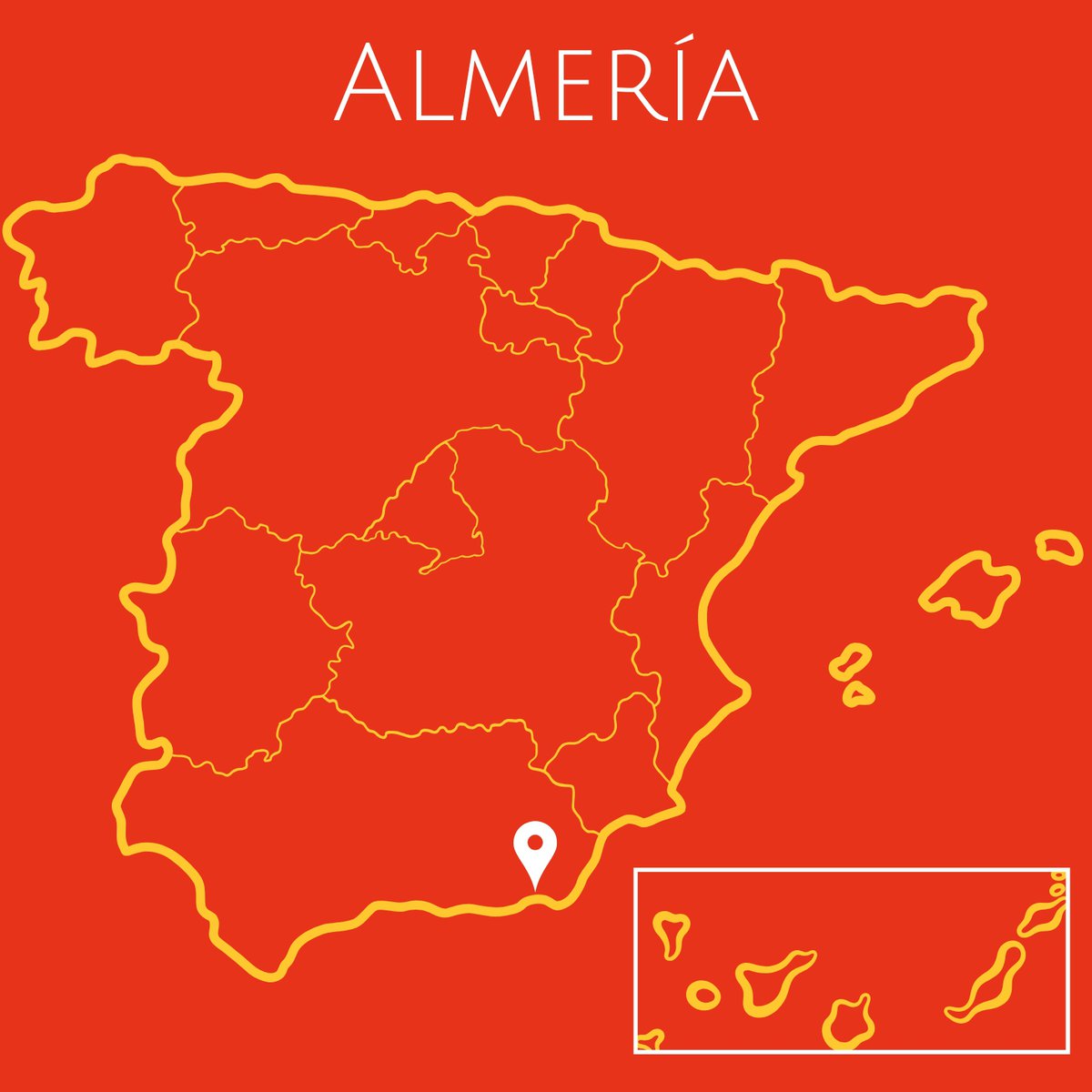
Autonomous Community

Almería’s Top 3 Attractions To Visit
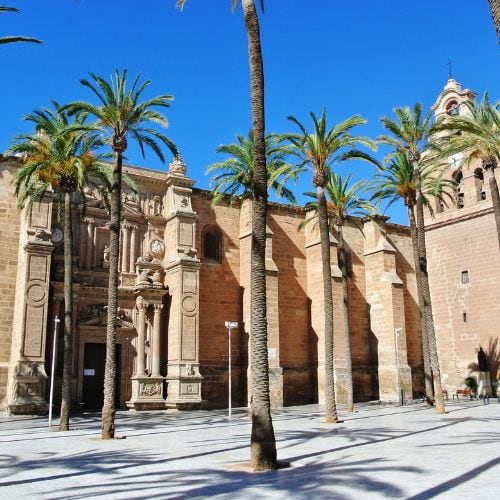
Explore Almería
Andalusia
Southern Spain’s cultural heartland with Moorish heritage
Location
Spain’s largest region, 87,268 km², southern coastline
Climate
Mediterranean warmth, over 3,000 hours of sunshine
Heritage
Alhambra, flamenco birthplace, Moorish architecture
Population
8.5 million passionate andaluces