7 Lesser-Known Spanish Cities
to Visit in 2026
(Beyond the Tourist Trail)
Seven Spanish cities that reward travellers looking beyond the obvious
By Liam Mulligan | Published on January 12, 2026 | Modified on January 12, 2026
Travels Around Spain contains affiliate links. This means I may earn a commission if you make a purchase or booking through these links, at no extra cost to you. As an Amazon Associate I earn from qualifying purchases. I only recommend products and services I use and trust. Read my full Affiliate Disclosure for more information.

Spain has never been short on places to visit, but as we move into 2026, many travellers are starting to ask a slightly different question. Not where is famous, but where still feels good to be. Cities like Barcelona, Madrid, and Seville remain incredible, yet record visitor numbers in recent years have also sparked wider conversations about crowding, rising prices, and how tourism fits into everyday local life.
That shift in mood is one of the reasons this guide to the best lesser-known places to visit in Spain in 2026 exists.
After decades of travelling across Spain and visiting every region, I’ve found that some of the most rewarding cities aren’t the ones dominating Instagram or bucket lists. They’re smaller regional capitals, overlooked coastal cities, and places Spaniards themselves gravitate towards for long weekends. Cities where food culture still feels local, streets are walkable, and you don’t need a rigid itinerary to enjoy yourself.
This isn’t a long list, and that’s deliberate. Instead of overwhelming you with options, this guide spotlights seven Spanish cities that offer authenticity, atmosphere, and value in 2026, without the crowds that increasingly define many of Spain’s headline destinations.
If you already know the classics, or you’re simply looking for a calmer, more local-feeling Spain this year, these are the cities worth paying attention to.
Quick Overview: Lesser-Known Places to Visit in Spain in 2026
If you’re short on time, these are the Spanish cities worth looking at in 2026 if you want to avoid the obvious choices and experience something calmer, more local, and genuinely rewarding.
- Vitoria-Gasteiz – A green, liveable Basque capital with excellent food culture
- Oviedo – Elegant northern Spain, walkable and quietly beautiful
- Santander – A refined coastal city that feels far removed from mass tourism
- Pamplona – Known for one festival, underrated for the other eleven months
- León –-One of Spain’s best cities for tapas and architecture, still overlooked
- Logroño – Small, social, and perfect for slow travel and food lovers
- Vigo – Atlantic Spain at its most authentic, with outstanding seafood
1. Vitoria-Gasteiz, Basque Country
Vitoria-Gasteiz is one of those cities that quietly gets everything right, yet rarely appears on international itineraries. As the capital of the Basque Country, it shares the region’s reputation for excellent food, high quality of life, and well-run public spaces, but without the crowds or price tags of San Sebastián or Bilbao.
I visited Vitoria-Gasteiz in 2024 as part of a trip across northern Spain, travelling from Bilbao towards Barcelona, and it immediately stood out for how green and relaxed it felt. Parks and tree-lined avenues seem to weave right through the city, giving it a sense of space that’s rare in regional capitals. It’s a place that encourages you to slow down and simply enjoy being there.
What really stayed with me, though, was the friendliness. While wandering through the city, an older local struck up a conversation with me in Spanish about British music from my home city, one of those unexpected travel moments that instantly makes a place feel warm and human rather than just somewhere you’re passing through.
Vitoria-Gasteiz also has a more reflective side. The city’s Memorial Victims of Terrorism Centre is a sombre but fascinating visit, offering important context to recent Spanish history. It’s thoughtfully presented, completely free to enter, and adds depth to a visit that goes beyond food and architecture.
In 2026, Vitoria-Gasteiz feels like an ideal choice for travellers who want a Basque city that’s authentic, walkable, and genuinely welcoming. It’s easy to visit, easy to like, and still very much under the radar.

2. Oviedo, Asturias
I visited Oviedo in 2023 as part of a trip from Santander to Vigo, travelling through Asturias and Galicia. It rained for much of my time there, but that didn’t take anything away from the experience. If anything, it suited the city.
Oviedo felt fascinating in a very understated way. It’s a proper working city rather than somewhere shaped around tourism, and that was obvious almost immediately. Even in the historic centre, there were very few tourists around, and everything felt geared towards locals going about their daily lives.
The food summed that up perfectly. Asturian cuisine is filling, unfussy, and ideal for cooler weather. I had cachopo, the classic Asturian dish, which was exactly the kind of hearty, comforting food the region does so well. Cider is everywhere here, and as someone who loves cider, I felt right at home in Oviedo. Watching it being poured from height in bars across the city felt completely normal to locals, but for a visitor, it’s one of those small details that really brings the place to life.
Oviedo also works well as a base. The city itself is compact and easy to explore on foot, and it’s close to places like Gijón, which makes for a great day trip if you want to see more of the Asturian coast. In 2026, Oviedo is a strong choice if you’re looking for a Spanish city that still feels authentic, lived-in, and largely untouched by mass tourism.

3. Santander, Cantabria
I first visited Santander in 2017 and then returned again in 2023, this time using it as the starting base for a longer trip through northern Spain. Going back a second time confirmed what I’d already thought, Santander is an interesting and often overlooked mix of proper city and relaxed coastal destination.
What really sets Santander apart is how naturally the city and the sea sit together. You’re never far from the water, and yet it doesn’t feel like a resort town. There are long sandy beaches right next to residential neighbourhoods, and it’s completely normal to see locals heading down to the coast as part of everyday life rather than something reserved for tourists.
The city itself feels calm and liveable. It’s not packed with headline sights, but that’s part of the appeal. Walking along the seafront, through the centre, and out towards the beaches feels unforced and easy, and there’s none of the pressure to constantly be “doing” things. It’s a place that rewards slowing down.
Food was another reason I enjoyed Santander. Seafood features heavily, as you’d expect, but there’s also a strong everyday food scene that feels geared towards locals rather than visitors. Eating out never felt like a performance, just good, straightforward food in relaxed settings.
In 2026, Santander makes a lot of sense for travellers who want coastal Spain without the intensity of more famous beach destinations. It’s also an excellent base for exploring Cantabria and the wider north, especially if you’re planning a longer trip. Quietly appealing, easy to enjoy, and still largely overlooked, Santander is a city that tends to win people over once they actually spend some time there.

4. Pamplona, Navarre
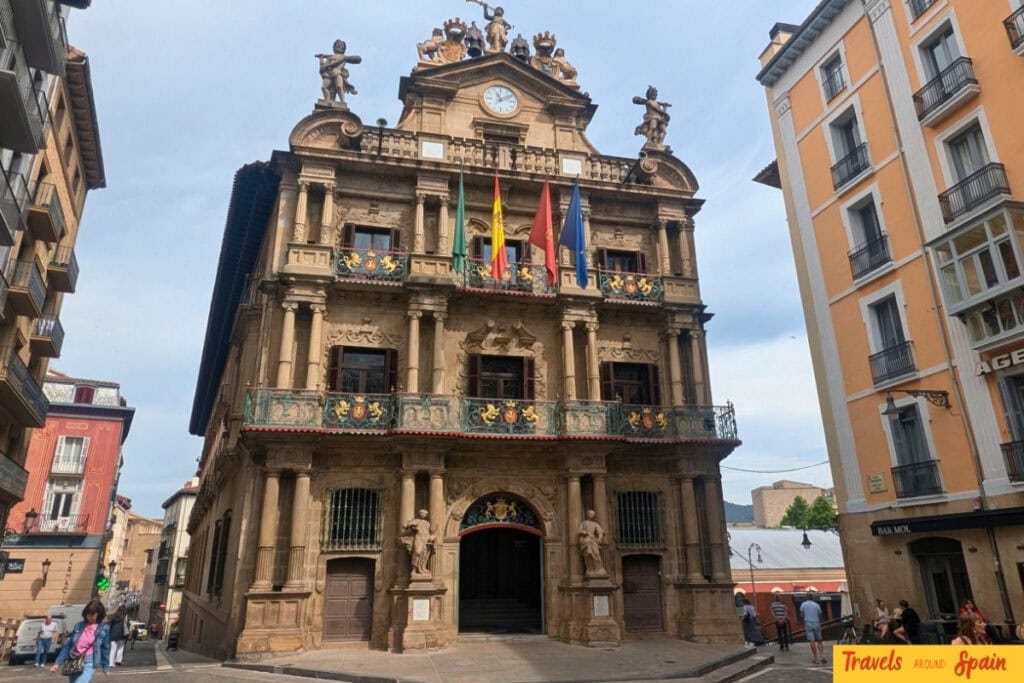
I visited Pamplona in 2024 as part of a wider trip through northern Spain, and it quickly became one of my highlights. I wasn’t there for San Fermín, but the city still felt full of character and history without the crowds that arrive during festival week.
The old town is genuinely beautiful. Narrow streets, historic buildings, and plenty of small squares make it a pleasure to explore on foot, and it feels like a place where history is still part of everyday life rather than something packaged for visitors. Food was another standout. Pamplona has a strong local dining scene that feels confident and unfussy, with bars and restaurants clearly catering to locals first.
Even outside of festival season, the influence of San Fermín is still present, but in a way that adds colour rather than overwhelms the city. You notice it in statues, street names, and conversations, but it never dominates the experience. If anything, visiting outside July makes it easier to appreciate Pamplona as a real city rather than a one-week event.
One of the best things I did was a walking tour with a local guide, which added a completely different layer to the visit. As part of the tour, our guide Gus introduced us to pelota vasca, learning how to throw and catch the ball. I’m not particularly sporty and was slightly apprehensive at first, but it ended up being great fun and surprisingly engaging. It was one of those moments where you connect with local culture in a hands-on way rather than just observing it.
In 2026, Pamplona is a fantastic option if you want history, food, and atmosphere without mass tourism. It’s far more than its famous festival, and visiting outside San Fermín allows you to see a city that feels welcoming, lived-in, and deeply rooted in its traditions.
5. León, Castile and León
I visited León in 2023 on my northern Spain trip and fell in love with the city. It felt like one of the most authentically Spanish places I had visited in Spain. Yet it still flies under the radar. It’s compact, easy to explore, and manages to combine history and everyday life without feeling shaped around tourism.
The old town is particularly appealing. It’s well preserved and a pleasure to wander, with narrow streets, small squares, and an atmosphere that feels natural rather than curated. León Cathedral is the standout landmark and is genuinely impressive, especially inside, where the stained glass is impossible to miss.
León also feels like a city that’s meant to be lived in. There’s a youthful energy thanks to its student population, but it never tips into feeling rowdy or chaotic. It’s the kind of place where everyday life carries on naturally around you, rather than being pushed aside by tourism.
Food is one of León’s biggest draws. There’s a lively local market packed with different foods, and the old town bars often offer free tapas with a drink. I spent a couple of relaxed hours enjoying local red wine and working my way through the tapas as they arrived, simple, sociable, and great value.
In 2026, León is an excellent choice if you want a Spanish city with character, good food, and history, but without the crowds that come with more famous destinations.

6. Logroño, La Rioja
I visited Logroño in 2024, and it immediately lived up to its reputation as one of Spain’s best small cities for food. This is a place where eating and drinking are the main events, and everything revolves around them in a very natural, unapologetic way.
What stood out most was how focused the tapas culture is. Each bar tends to specialise in one or two dishes and does them extremely well, which makes moving from place to place part of the fun rather than something you have to plan. The food was consistently excellent, simple, and clearly aimed at people who know what they’re ordering.
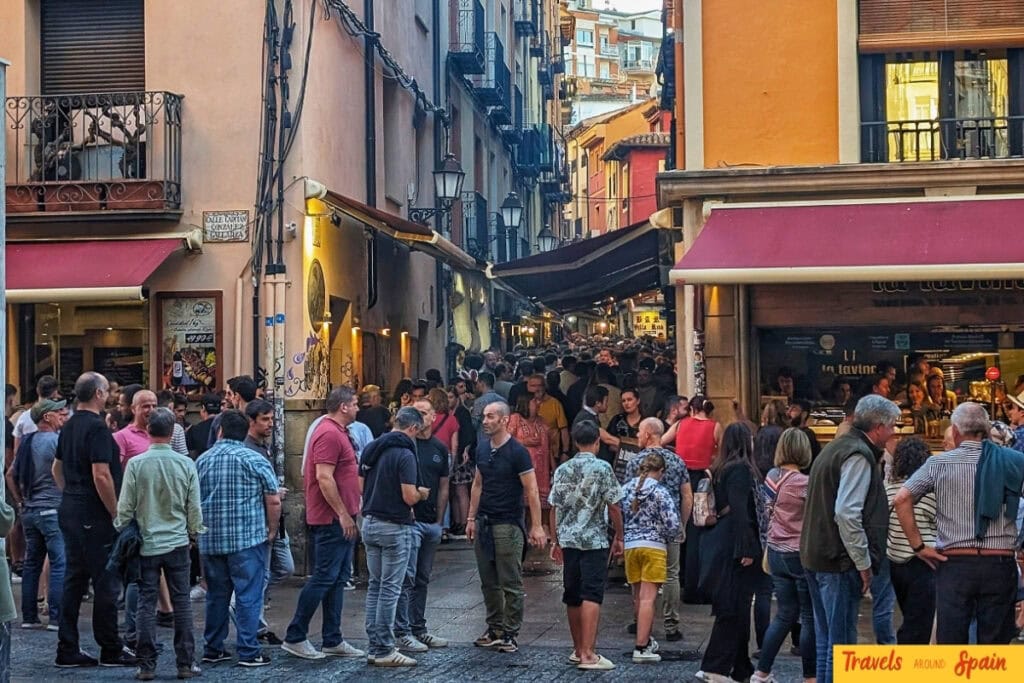
Logroño felt especially busy at the weekend, but not in a touristy way. It’s popular with Spanish visitors, and that gives the city a lively, energetic atmosphere rather than one shaped around international tourism. Calle Laurel in particular was absolutely packed. It’s chaotic, noisy, and great fun if you enjoy a party-like atmosphere, but it still felt very local rather than staged.
Despite the buzz, Logroño is compact and easy to navigate, and it never felt overwhelming. In 2026, it’s an ideal choice if you’re looking for a Spanish city that’s social, food-focused, and full of life, especially if your idea of sightseeing involves good wine and excellent tapas rather than ticking off monuments.
7. Vigo, Galicia
I visited Vigo in 2023 and immediately loved how chilled it felt. It’s a city that doesn’t try too hard to impress, which is exactly what makes it appealing.
Everything moves at a slower pace, and the atmosphere feels relaxed and lived-in rather than shaped around visitors. It’s the kind of place where you settle in quickly instead of rushing around.
Vigo is a genuinely pretty city, especially around the waterfront and harbour. Its connection to the sea is obvious, and seafood plays a central role in everyday life.
Eating out felt refreshingly straightforward. The focus is on quality ingredients rather than presentation, with menus clearly aimed at locals who know good seafood when they see it.
What stood out most was how normal everything felt. Vigo doesn’t feel polished or curated, but that’s part of its charm.
In 2026, Vigo is a great choice if you’re looking for a Spanish city with a relaxed coastal vibe, excellent seafood, and very little tourist noise. It’s understated, easy to enjoy, and a refreshing contrast to Spain’s more famous coastal destinations.

FAQs About Visiting Lesser-Known Cities in Spain
Are these cities good for first-time visitors to Spain?
Yes, especially if you’re comfortable travelling independently. All of these cities are well-connected, easy to navigate, and offer a very authentic introduction to Spanish life beyond the biggest tourist hubs. Some of them even appear on my list of best Spanish cities for first-timers, perfect for those wanting a unique experience of Spain on their first visit.
Which of these cities is best for avoiding crowds?
Oviedo, Vitoria-Gasteiz, and Vigo are excellent choices if you want to avoid crowds. Even at busier times, they feel lived-in rather than overwhelmed by tourism.
Is northern Spain a good choice in summer?
Yes, and for many people it’s a better option than the south. Temperatures are milder, landscapes stay green, and cities feel more comfortable to explore during the day.
How many days do you need in each city?
Two to three days is ideal for most of these places. That’s enough time to explore at a relaxed pace without feeling rushed.
Are these cities affordable compared to Barcelona or Madrid?
Generally, yes. Accommodation, food, and drinks tend to be noticeably better value, especially outside peak festival periods.
Do you need a car to visit these cities?
No, not for the cities themselves. Spain’s train and bus networks make it easy to reach and get around, although a car can be useful if you want to explore the surrounding countryside. I’ve personally visited each of these cities via public transport – no car needed.
Final Thoughts: 7 Lesser-Known Spanish Cities to Visit in 2026
Spain in 2026 still has plenty of cities that feel rewarding, relaxed, and genuinely enjoyable, especially if you’re willing to look beyond the usual names. The places in this list offer good food, strong local character, and a pace of life that makes travelling feel enjoyable rather than rushed.
What they all have in common is that they feel lived-in. These are cities where tourism exists, but doesn’t dominate, and where you’re more likely to share a bar with locals than queue for a photo.
If you’ve already seen Spain’s biggest highlights, or you’re simply looking for somewhere calmer to explore this year, these lesser-known cities are some of the best places to start.